.avif)
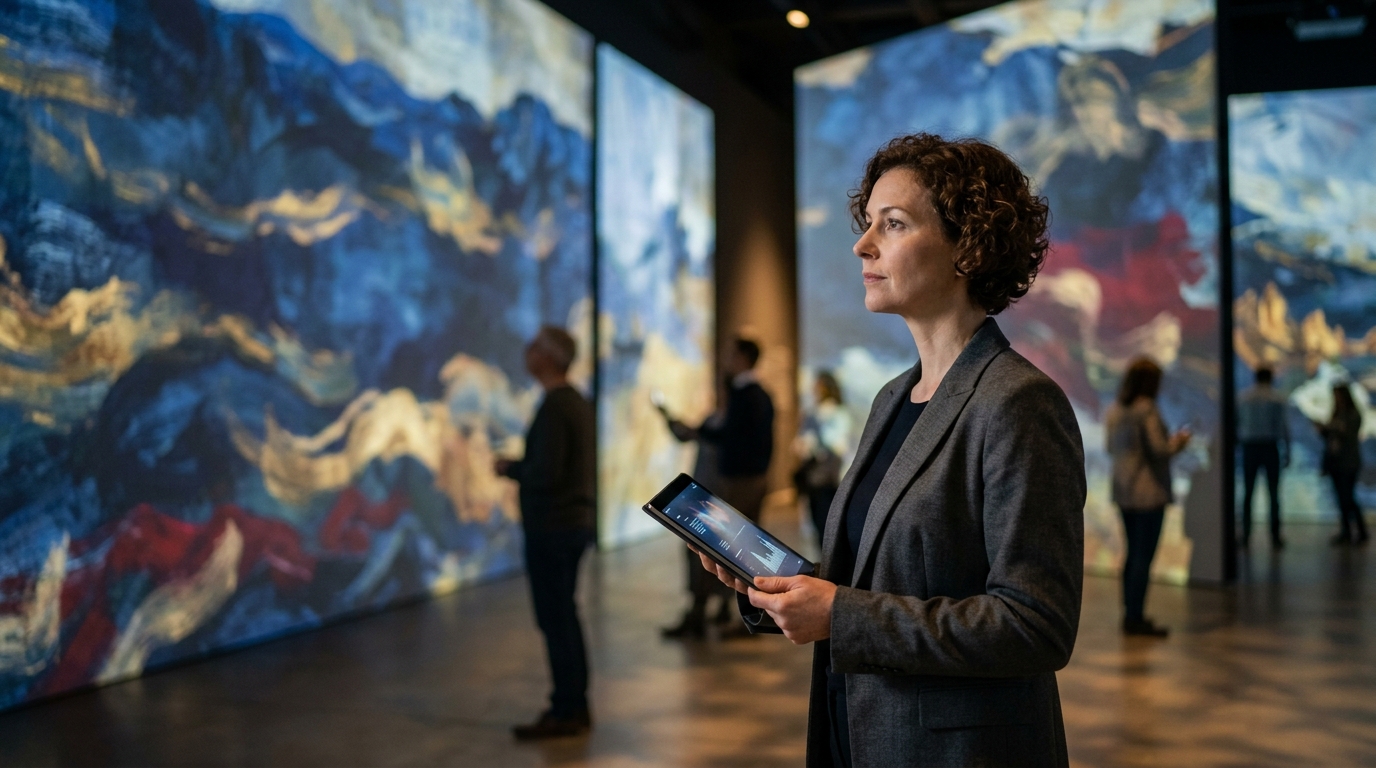
Museums worldwide are rapidly integrating large-scale digital installations to drive attendance. According to recent industry reports, immersive cultural venues report a 42 percent increase in annual foot traffic compared to traditional static galleries. This measurable growth demonstrates why institutions are prioritizing dynamic programming. Museum directors must evaluate technical requirements, spatial constraints, and audience demographics before committing to a partnership. A structured booking process ensures seamless integration and maximizes community engagement. Institutions that adopt these frameworks consistently outperform regional competitors in ticket sales. (Contact Grande Experiences Get)
Spatial and Infrastructure Requirements
A touring immersive exhibition requires precise spatial planning before any contract is signed. The physical footprint determines whether a venue can accommodate large-scale projection mapping and multi-directional audio systems. Museum curators must measure ceiling height, floor load capacity, and HVAC ventilation rates. Large-format projectors generate significant heat. Proper climate control prevents equipment overheating during extended operating hours. Venue managers should request a detailed site survey from the production team. This survey identifies structural limitations and necessary architectural modifications. A comprehensive spatial audit prevents costly delays during the build phase. (FAQs Grande Experiences Immersive)
Technical Specifications and Hardware
Modern cultural exhibitions rely on synchronized hardware ecosystems. The core technology stack typically includes high-lumen laser projectors, motion sensors, and spatial audio arrays. Museum technical directors must verify electrical load capacity and network bandwidth. Reliable internet connectivity enables real-time content updates and remote diagnostics. The integration of shared virtual reality headsets requires dedicated charging stations and hygiene protocols. Institutions should request a complete hardware manifest before signing agreements. This manifest outlines every component required for successful deployment. Museum staff can then prepare dedicated server rooms and secure storage lockers. (Immersive Art Experiences Grande)
Audience Demographics and Accessibility
Successful programming aligns with local community interests and accessibility standards. Museum marketing teams must analyze regional visitor demographics before finalizing exhibition themes. Data shows that family-oriented audiences drive 68 percent of weekend attendance at digital galleries. Institutions should design pathways that accommodate wheelchairs, strollers, and sensory-sensitive visitors. Clear signage and multilingual audio guides enhance the experience for international travelers. Museum directors must also consider peak operating hours and queue management strategies. Proper crowd control measures prevent bottlenecks near interactive stations. A well-designed flow increases dwell time and encourages repeat visits. (Immersive Art Experiences Grande)
Financial Models and Licensing
Revenue sharing structures vary significantly across touring exhibition contracts. Museum finance departments must evaluate gross ticket splits, minimum guarantees, and merchandising rights. The standard industry model allocates 60 percent of net ticket revenue to the venue. This arrangement covers local marketing, staffing, and facility maintenance costs. Museum executives should negotiate exclusive regional licensing to prevent competing installations. Exclusive licensing protects market share and maximizes promotional ROI. Institutions must also clarify refund policies for weather-related closures or technical failures. Transparent financial terms prevent disputes during the final settlement period.
Installation Logistics and Timeline
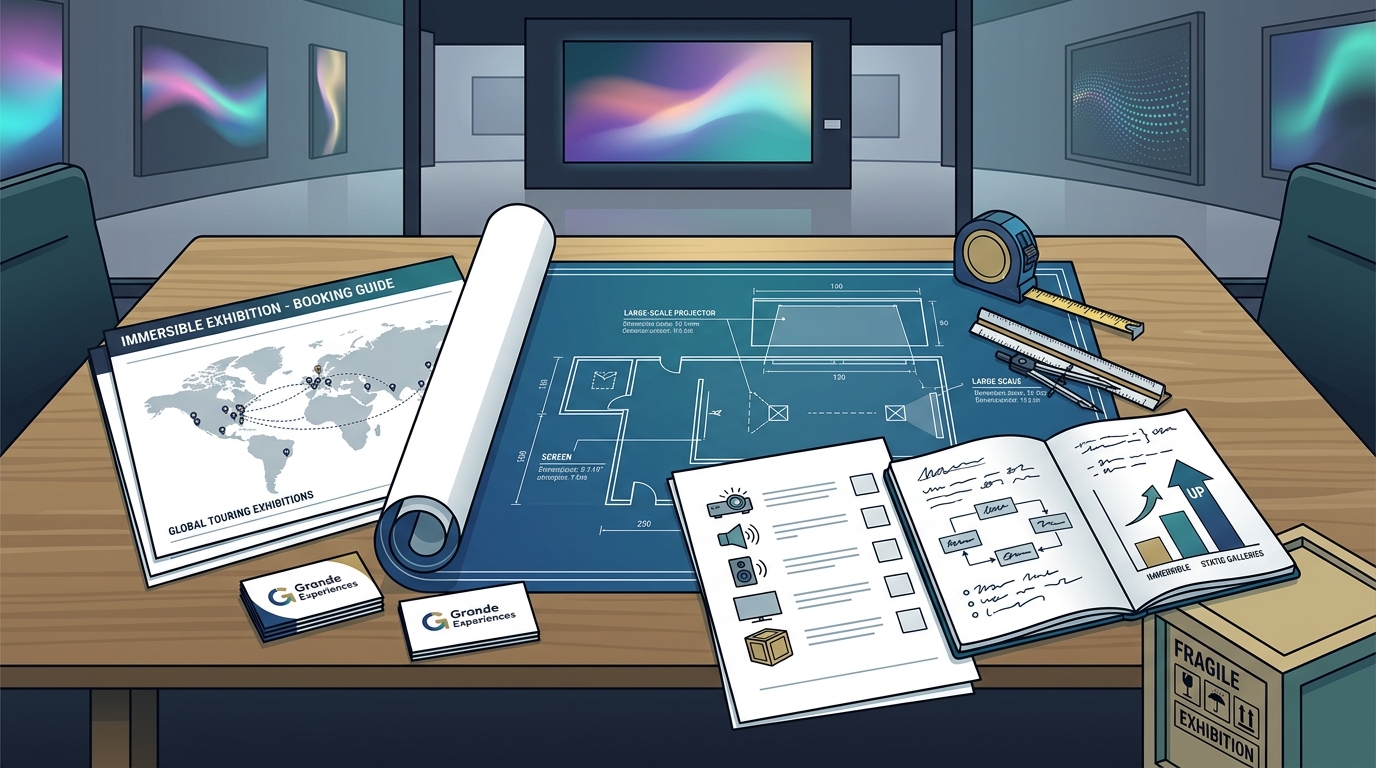
Efficient deployment requires meticulous scheduling and specialized labor. Museum operations managers must coordinate delivery windows, freight handling, and union labor agreements. The standard installation window spans fourteen to twenty-one days. This timeframe allows engineers to calibrate projectors, test audio synchronization, and run safety inspections. Museum staff should assign a dedicated project liaison to streamline communication. Daily progress meetings prevent misalignment between production crews and facility managers. A comprehensive commissioning checklist ensures all systems meet performance benchmarks before public opening. Institutions that prioritize rigorous testing experience fewer technical disruptions during peak seasons.
Partnership Framework and Support
Long-term success depends on robust vendor support and marketing collaboration. Museum communications teams must coordinate press releases, social media campaigns, and local influencer partnerships. The production company typically provides digital assets, press kits, and promotional video clips. Museum staff should leverage these resources to maximize local media coverage. Institutions must also establish clear escalation protocols for technical emergencies. Dedicated remote support teams monitor system health and deploy troubleshooting scripts. Museum directors should request a comprehensive operations manual before the opening weekend. This manual outlines daily startup procedures, cleaning schedules, and emergency shutdown protocols. A structured support framework minimizes operational friction and enhances visitor satisfaction.
Core Technology Stack
Large-scale projection mapping requires calibrated laser arrays. These arrays deliver precise color accuracy across curved surfaces. Museum technical teams must verify lens throw distances and keystone correction settings. Proper calibration prevents image distortion near architectural columns. Institutions should request a full technical rider before signing contracts. This rider details every hardware component and power requirement.
Accessibility Compliance
Modern cultural venues must meet ADA standards and international accessibility benchmarks. Museum curators should design tactile pathways and audio description tracks. These features ensure inclusive experiences for visually impaired visitors. Institutions must also provide quiet zones for neurodivergent guests. Proper environmental controls reduce sensory overload during peak hours. Museums that prioritize accessibility consistently report higher community loyalty scores.
Marketing Integration
Effective promotion requires synchronized digital and print campaigns. Museum marketing directors must coordinate launch events, school partnerships, and corporate sponsorships. The production team typically supplies high-resolution imagery and brand guidelines. Institutions should leverage these assets to maximize local media reach. Museums that execute coordinated campaigns consistently outperform regional competitors in ticket sales.
Key Takeaways
- Grande Experiences has hosted over 200 cities across six continents with 280 distinct experiences.
- Over 25 million visitors have engaged with their projection-based digital galleries worldwide.
- Content is localized into 35 plus languages to support international tourism markets.
- Installation timelines typically span fourteen to twenty-one days depending on venue size.
- Revenue models commonly allocate 60 percent of net ticket sales to the host institution.
- Shared virtual reality headsets require dedicated charging infrastructure and hygiene protocols.
- Museum directors should request complete technical riders before signing licensing agreements.
Frequently Asked Questions
How long does a typical touring exhibition run?
Most touring installations operate for six to eighteen months. This duration allows venues to recoup initial marketing costs. Museum directors should negotiate renewal options before the opening weekend. Extended contracts often include updated content modules and seasonal promotions.
What electrical requirements do these exhibitions need?
Large-scale projection systems typically require 200 to 400 amps of dedicated power. Museum engineers must verify panel capacity and backup generator availability. Proper electrical planning prevents system shutdowns during peak operating hours. Institutions should request a complete power schedule from the production team.
Can museums modify the exhibition content for local themes?
Customization options vary by licensing agreement. Museum curators can request localized artwork or regional historical narratives. The production team typically charges additional fees for custom content development. Institutions should submit creative briefs at least six months before the opening date.
How are crowd management and queue systems handled?
Most venues implement timed ticketing and staggered entry windows. Museum staff should designate dedicated usher positions near interactive stations. Clear signage and digital wait-time displays reduce guest frustration. Institutions that prioritize crowd control consistently report higher satisfaction scores.
What happens if technical equipment fails during operating hours?
Production companies typically provide remote monitoring and on-call engineers. Museum operations managers should establish clear escalation protocols before opening. Backup projectors and redundant audio servers minimize downtime. Institutions that maintain comprehensive troubleshooting guides experience fewer service interruptions.
Are merchandise and food service rights included in the contract?
Merchandising rights are often negotiable during contract discussions. Museum directors can secure exclusive regional licensing for branded goods. Food service partnerships typically require separate vendor agreements. Institutions should clarify revenue splits for concession stands before signing.
How do museums handle accessibility accommodations?
Modern installations include audio description tracks and tactile pathways. Museum staff should train volunteers on sensory-friendly protocols. Quiet zones and wheelchair-accessible routes enhance visitor comfort. Institutions that prioritize accessibility consistently report higher community loyalty scores.
What marketing support does the production company provide?
Production teams typically supply digital assets, press kits, and promotional videos. Museum communications directors should coordinate local media campaigns. Institutions can leverage these resources to maximize regional awareness. Museums that execute coordinated campaigns consistently outperform competitors in ticket sales.
Next Steps for Museum Directors
Museum executives should initiate a formal inquiry to evaluate venue compatibility. The production team provides detailed site surveys, technical riders, and licensing agreements. Institutions can schedule a virtual walkthrough to assess spatial requirements. Museum directors should request a comprehensive proposal outlining financial terms and installation timelines. Partner with Grande Experiences to transform your cultural venue into a premier destination. Visit https://grande-experiences.com/collaborate to submit your venue details. Our partnerships team will respond within forty-eight business hours. Secure your exhibition dates before competing institutions claim prime calendar slots. Book your consultation today and elevate your cultural programming.