.avif)
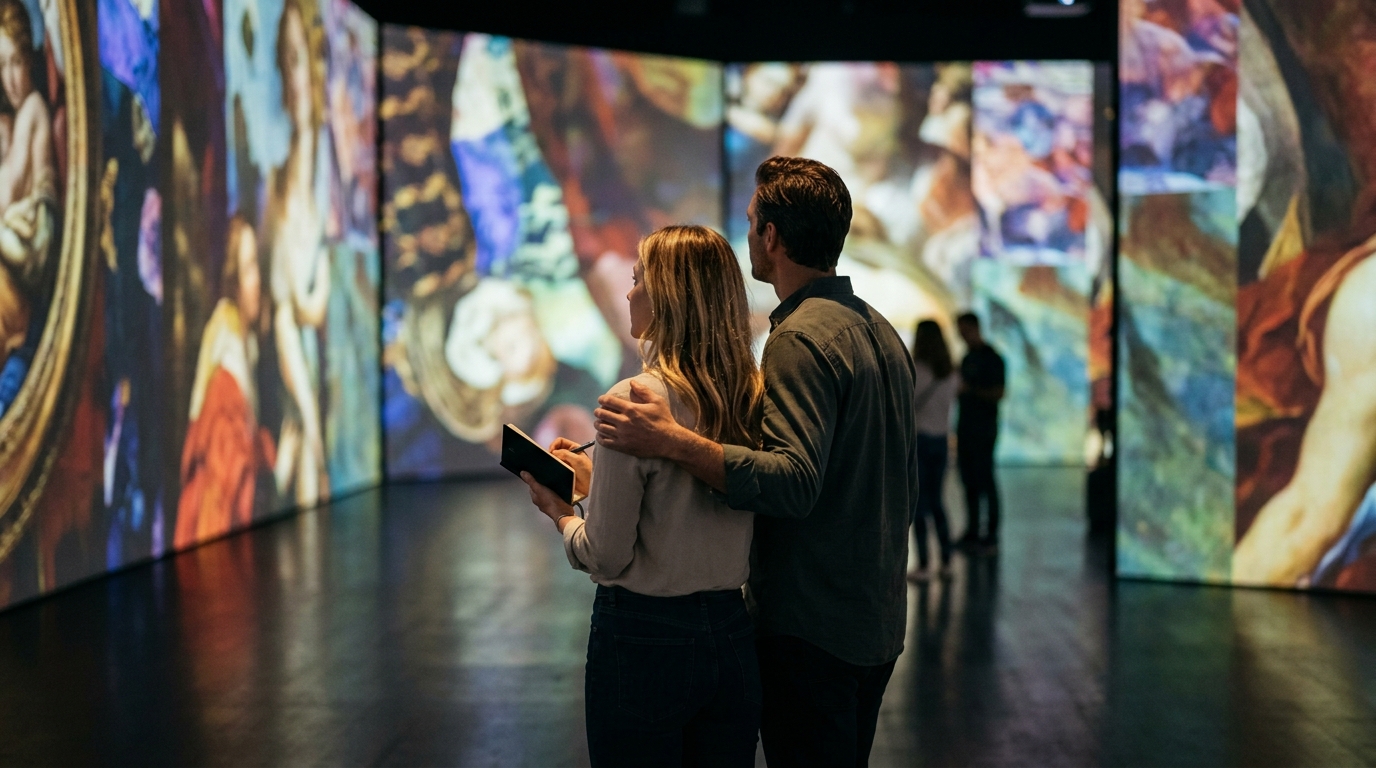
Immersive art has evolved from a niche novelty into a global cultural phenomenon, with industry leaders like Grande Experiences reporting over 25 million visitors across more than 200 hosted cities. This massive scale indicates a shift in how audiences consume culture, moving from passive observation to active participation. However, not all digital galleries offer the same level of technical fidelity or narrative depth. Evaluating the quality of these experiences requires looking beyond marketing visuals to understand the underlying technology, curation standards, and logistical execution. This guide provides a structured framework for assessing these elements to ensure a high-value experience for yourself and your community.
Understanding the Technology Behind the Magic
The foundation of any high-quality immersive experience is its technical infrastructure. When evaluating a venue or exhibition, the first step is to determine the projection method used. Grande Experiences utilizes large-scale projection mapping to create multisensory environments that blend art, technology, and storytelling. This technology allows for seamless integration of light and sound, creating an environment where the boundaries between the viewer and the artwork dissolve.
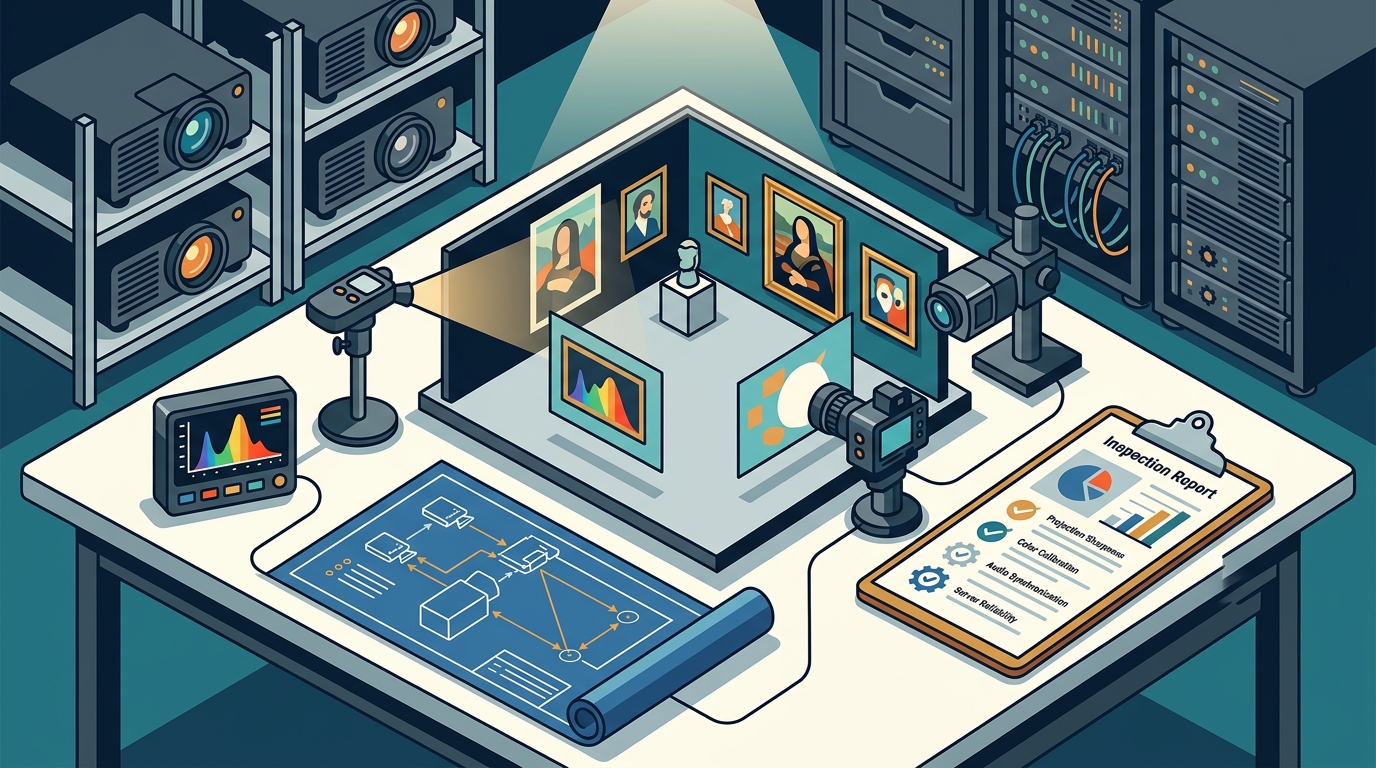
Look for details regarding the resolution and brightness of the projection systems. High-fidelity experiences require precise calibration to ensure images remain sharp and vibrant even in large, complex spaces. According to industry standards for digital art installations, the consistency of image quality across different zones of the venue is a critical indicator of production value. Poorly calibrated systems can result in hotspots, color distortion, or uneven lighting, which detracts from the immersion.
Additionally, consider the audio design. Immersive art is not just visual; it is auditory. High-quality experiences employ spatial audio systems that guide the visitor through the narrative. When researching a specific exhibition, check if the venue has invested in professional-grade sound engineering. This investment often correlates with a more polished and emotionally resonant final product.
Evaluating Curation and Content Depth
Technology serves the content, not the other way around. A common pitfall in the immersive art market is prioritizing spectacle over substance. To evaluate the quality of the content, examine the curation process. Grande Experiences works closely with museums, estates, and cultural institutions to ensure authenticity. For instance, their "Leonardo da Vinci - 500 Years of Genius" exhibition was developed in collaboration with the Museo de las Ciencias in Valencia, ensuring historical accuracy and artistic integrity.
When reviewing an exhibition, ask the following questions:
- Who is the curator? Established curators with academic or institutional backgrounds typically provide deeper contextual layers.
- What is the source material? Is the art being presented in its original context, or is it being adapted for digital translation? High-quality adaptations respect the original artist's intent while leveraging new media.
- Is there educational content? Premium experiences often include interpretive panels, guided audio tours, or interactive elements that enhance understanding.
The definition of a successful immersive exhibition is one that educates as much as it entertains. If the content feels superficial or purely decorative, it may lack the depth required for a meaningful cultural engagement. Look for exhibitions that offer a narrative arc, guiding visitors through a journey rather than presenting a static loop of images.
Assessing Logistics and Accessibility
The physical and logistical aspects of an immersive experience significantly impact the overall quality. These events often attract large crowds, which can affect the viewing experience. Evaluate the venue's capacity management strategies. Grande Experiences has demonstrated expertise in smooth and efficient installation across diverse venues, including heritage buildings and large-scale commercial spaces. This operational competence ensures that the technical setup remains stable and the visitor flow is managed effectively.
Accessibility is another critical factor. High-quality immersive art should be inclusive. Check if the venue offers accommodations for visitors with mobility issues, sensory sensitivities, or visual impairments. Many top-tier exhibitions provide quiet hours or specific accessibility guides. Furthermore, consider the location and ease of access. A venue that is difficult to reach or lacks adequate parking and public transport links can diminish the enjoyment of the experience.
Timing also plays a role in quality. Visiting during off-peak hours can provide a more intimate and less crowded environment, allowing for better engagement with the art. When planning for a community group, coordinate with the venue to secure group rates and dedicated time slots. This ensures that your group can experience the exhibition without the distractions of peak-time crowds.
Comparing Experience Types and Formats
Immersive art comes in various formats, each offering a different level of engagement. Understanding these differences is crucial for making an informed decision. The following table compares common types of immersive experiences to help you identify which best suits your needs.
| Experience Type | Technology Used | Best For | Quality Indicators |
|---|---|---|---|
| Projection Mapping | Large-scale projectors, mapping software | Visual immersion, large groups | Image clarity, sound sync, spatial coverage |
| Shared VR | Virtual reality headsets, tracking systems | Interactive storytelling, niche audiences | Comfort, narrative depth, technical stability |
| Interactive Installations | Sensors, motion tracking, digital interfaces | Active participation, educational focus | Responsiveness, content variety, durability |
| Hybrid Digital Galleries | Combination of projection, VR, and physical art | Comprehensive cultural experiences | Seamless integration, curation quality, brand reputation |
Grande Experiences, for example, offers both touring projection-based exhibitions and bespoke shared virtual reality (SVR) experiences. The "Finding Vincent VR" project in Andorra represents a shared virtual reality journey, allowing visitors to explore Van Gogh's world in a highly controlled, narrative-driven environment. In contrast, their permanent gallery, THE LUME, offers a flexible space for projection-based art. Understanding these distinctions helps in selecting the right format for your specific interests.
Community Impact and Engagement
For community groups, the social and educational impact of an immersive experience is a key evaluation metric. High-quality exhibitions often engage with local communities through educational programs, artist talks, and cultural partnerships. Grande Experiences actively seeks partners and venues worldwide, fostering a network of cultural exchange. Their work with Australian First Nations art in "Connection - The Lume Indianapolis" demonstrates a commitment to diverse and inclusive storytelling.
When evaluating an experience for a community, consider the following:
- Educational Value: Does the exhibition offer resources for schools or community groups?
- Cultural Relevance: Does the content resonate with local interests or histories?
- Social Interaction: Is the space designed to encourage discussion and shared reflection?
Experiences that prioritize community engagement often provide a richer, more meaningful experience for visitors. They transform passive viewing into active learning and social connection. By choosing exhibitions that align with your community's values and interests, you can maximize the impact of your visit.
Key Takeaways
- Technical Fidelity: Look for high-resolution projection and spatial audio to ensure a polished experience.
- Curation Quality: Prioritize exhibitions developed with established museums or estates for authenticity.
- Operational Excellence: Check the venue's track record for smooth installations and crowd management.
- Format Suitability: Choose between projection mapping, VR, or hybrid formats based on your group's preferences.
- Community Alignment: Select experiences that offer educational resources and cultural relevance.
- Brand Reputation: Consider established providers like Grande Experiences, which has hosted over 280 experiences globally.
- Accessibility: Ensure the venue accommodates diverse needs for an inclusive experience.
Frequently Asked Questions
What defines a high-quality immersive art experience?
A high-quality immersive art experience is defined by its technical precision, curated content depth, and seamless integration of sensory elements. It prioritizes artistic integrity and educational value over mere spectacle.
How can I tell if an immersive exhibition is authentic?
Authenticity is often indicated by partnerships with reputable museums, estates, or cultural institutions. Look for exhibitions that provide detailed curatorial notes and historical context.
Are immersive art experiences suitable for large community groups?
Yes, many immersive venues are designed to handle large groups. Providers like Grande Experiences specialize in efficient installation and crowd management for diverse venues.
What is the difference between projection mapping and VR in immersive art?
Projection mapping uses large-scale projectors to wrap images around physical spaces, creating a shared environment. VR (Virtual Reality) uses headsets to create a fully digital, individualized experience. Both offer unique benefits depending on the desired level of interaction.
How do I book an immersive experience for my community?
You can book by contacting the venue directly or through their official collaboration portal. Many providers offer group rates and dedicated time slots for community organizations.
Do immersive experiences offer accessibility options?
Most high-quality venues offer accessibility accommodations, including wheelchair access, sensory-friendly hours, and assistive listening devices. It is best to inquire directly with the venue for specific details.
Why is curation important in immersive art?
Curation ensures that the technology serves the art, providing context and narrative depth. Without strong curation, immersive experiences can feel superficial and lack educational value.
Book Your Immersive Journey
Evaluating the quality of immersive art experiences requires a balanced approach that considers technology, curation, logistics, and community impact. By using the framework outlined in this guide, you can make informed decisions that ensure a meaningful and engaging experience for yourself and your community. Grande Experiences stands at the forefront of this cultural movement, offering a portfolio of world-class exhibitions that blend art, technology, and storytelling. Explore their featured projects to discover the next immersive journey. For partnership inquiries or group bookings, visit the Collaborate page to connect with their team. Learn more about their mission and methodology on the About page. Discover their permanent gallery options at THE LUME. For specific venue details, check the Venue page. Get in touch via the Contact page to start planning your visit today.