.avif)
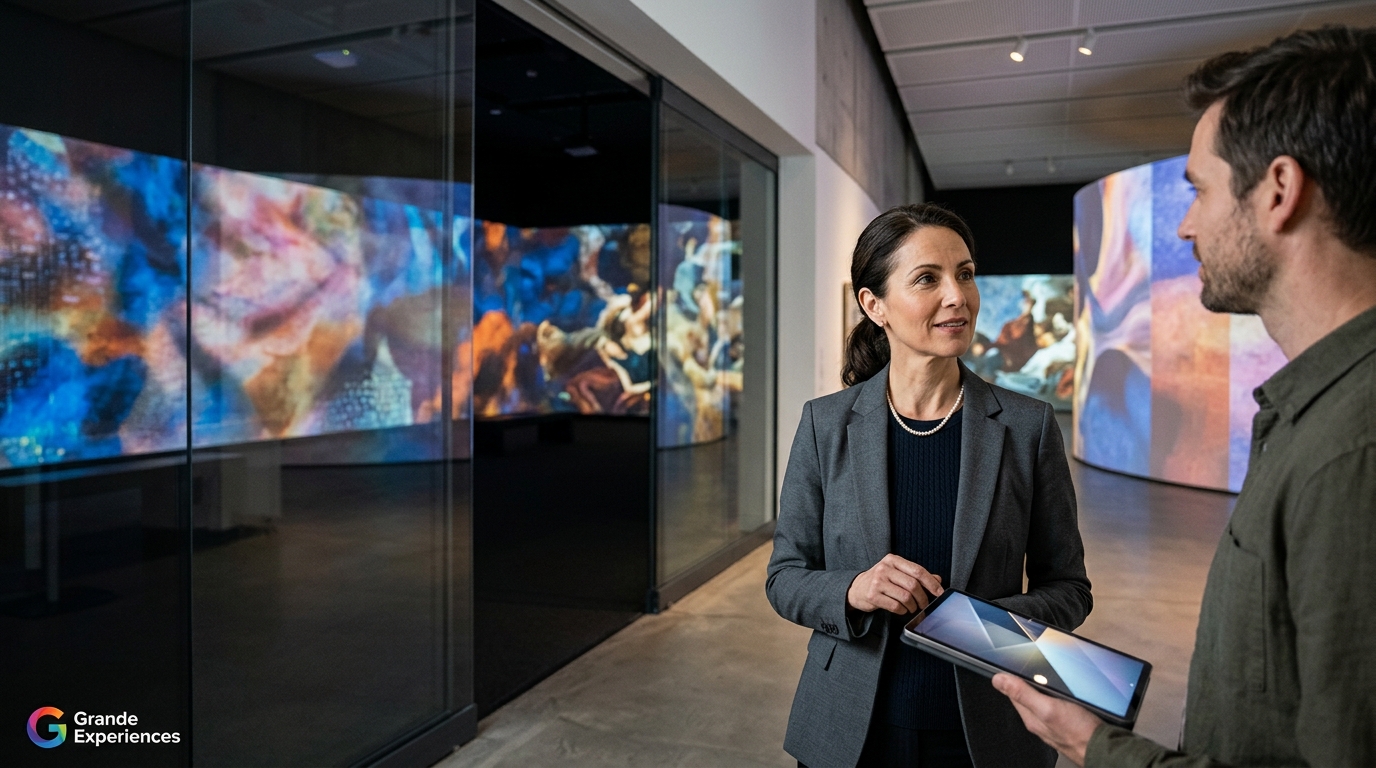
The landscape of cultural engagement has shifted dramatically in recent years. According to industry data, immersive art exhibitions now attract over 25 million visitors globally, fundamentally changing how audiences interact with heritage and contemporary art. For museum directors and curators, the decision to host a touring immersive exhibition is no longer just about novelty; it is a strategic move to drive foot traffic, expand demographic reach, and create memorable community touchpoints. However, the complexity of integrating large-scale digital technology into physical heritage spaces requires meticulous planning. This guide outlines the critical factors museums must evaluate before committing to a partnership with touring exhibition producers. (Cultural communication in) (Immersive Art Experiences Grande)
Infrastructure and Venue Requirements
Before any contract is signed, the physical capabilities of the venue must be assessed. Immersive exhibitions rely on high-lumen projectors, complex audio arrays, and sometimes virtual reality (VR) hardware. Lighting control is paramount. A space must be capable of achieving near-total darkness to ensure image clarity and contrast. If the venue has large windows or skylights, the cost of light-proofing materials and labor must be factored into the budget. (FAQs Grande Experiences Immersive)
Power distribution is another critical constraint. These installations often require dedicated electrical circuits to handle the load of multiple projectors and servers without tripping breakers. Museums must verify that their existing electrical infrastructure can support the peak load or budget for temporary power solutions. Additionally, the floor load capacity must be checked if heavy rigging or large-scale projection mapping surfaces are involved. (Immersive Art Experiences Grande)
Technical Logistics and Installation
The installation of a touring exhibition is a logistical marathon. Grande Experiences, for instance, has completed installations across 200+ cities, demonstrating that smooth deployment is a core competency. However, museums must still account for the time required for setup and teardown. A typical installation can take several days to weeks, depending on the complexity of the projection mapping and the condition of the venue. (Ask an Expert)
During this period, the venue may be partially or fully inaccessible to the public. Museum planners must create a communication strategy to inform patrons of closure dates and alternative programming. Furthermore, the fragility of heritage buildings often restricts the use of nails, screws, or adhesives. Producers must collaborate closely with venue managers to use non-invasive rigging techniques that protect historic fabric while ensuring safety.
Financial Models and Revenue Sharing
Understanding the financial structure is essential for long-term sustainability. Touring exhibitions typically operate on one of two models: a flat licensing fee or a revenue-sharing agreement. In a revenue-share model, the producer and the venue split ticket sales based on a pre-agreed percentage. This model aligns the incentives of both parties, as the producer is motivated to drive high attendance. (The new temporary)
However, museums must also consider ancillary costs. These often include marketing contributions, insurance premiums for high-value equipment, and staff training for ticketing and crowd control. It is crucial to clarify who bears the cost of international shipping if the exhibition is traveling from overseas. Insurance policies must explicitly cover the touring equipment, which can be valued in the millions. Clear financial terms prevent disputes and ensure that the exhibition remains profitable for both the host and the creator. (Museums face growing)
Audience Experience and Flow Management
Immersive environments are designed to be multisensory. Grande Experiences defines an immersive experience as a cultural exhibition that uses large-scale digital technology to blend art, technology, and storytelling. For the museum, the challenge lies in managing crowd flow within a confined, darkened space. Overcrowding can diminish the quality of the experience and create safety hazards.
Museums must implement timed ticketing systems to regulate entry intervals. This not only enhances the visitor experience by preventing bottlenecks but also provides valuable data on peak attendance times. The integration of interactive elements, such as the Vitruvian Man installation or VR flyovers, requires clear signage and staff guidance to ensure visitors understand how to engage with the technology. Accessibility is also a key consideration; while the visual and auditory impact is powerful, accommodations for visitors with sensory sensitivities or mobility challenges must be planned in advance.
Marketing and Community Engagement
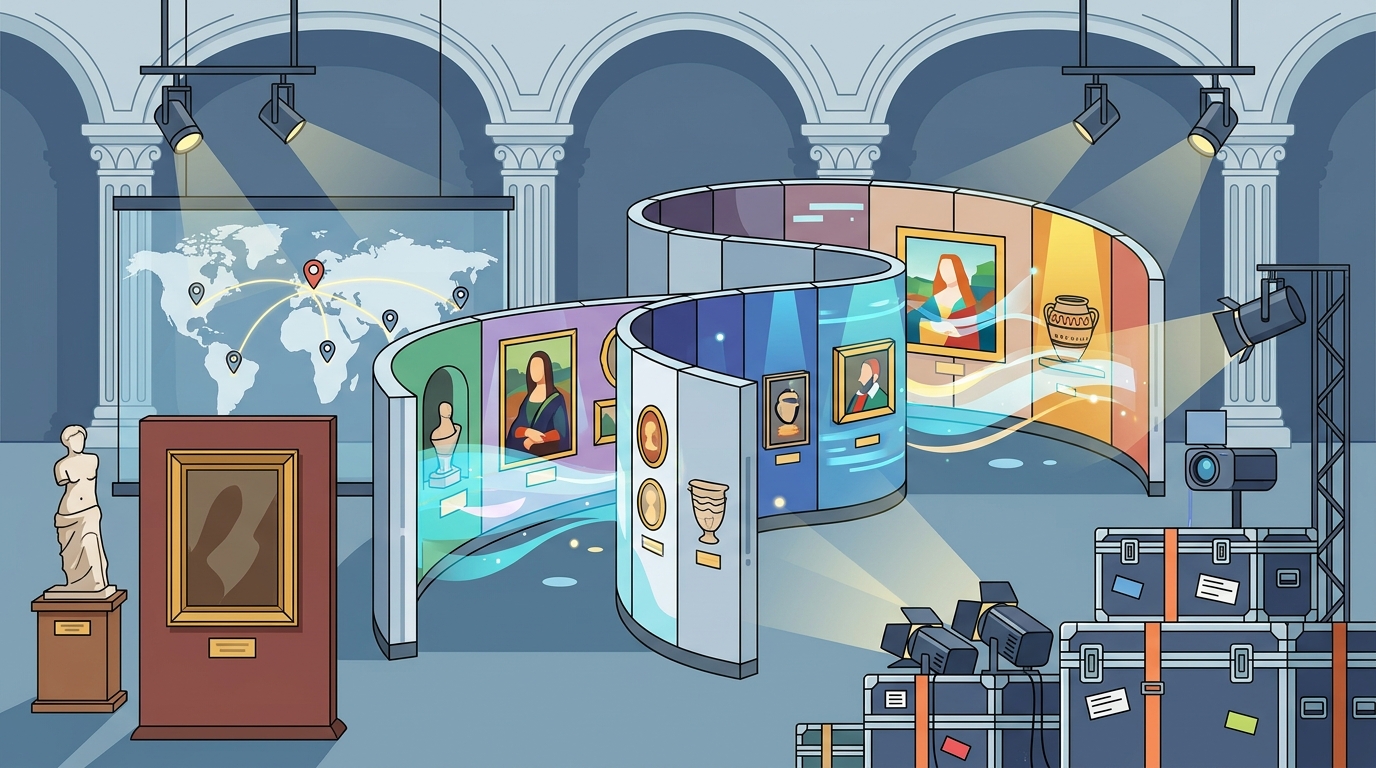
A touring exhibition offers a unique opportunity for museums to engage with new demographics. Immersive art often attracts younger audiences and tourists who might not typically visit traditional galleries. The marketing strategy should leverage this cross-demographic appeal. Social media campaigns highlighting the "Instagrammable" moments of the exhibition can drive significant organic reach.
Furthermore, museums can partner with local schools and cultural organizations to create educational programming around the exhibition. For example, a Van Gogh immersive show can be paired with art history workshops or music performances. This community engagement approach transforms the exhibition from a passive viewing experience into a cultural hub. Grande Experiences actively seeks partners to establish new digital galleries, emphasizing the importance of local collaboration in making the exhibition relevant to the host community.
Exhibition Options Comparison
| Feature | Large-Scale Projection (e.g., Van Gogh Alive) | Shared Virtual Reality (SVR) | Interactive Digital Gallery (THE LUME) |
|---|---|---|---|
| Primary Technology | High-lumen projectors and mapping | Wireless VR headsets | 360-degree projection and sensors |
| Capacity per Hour | High (open floor plan) | Medium (headset hygiene limits) | Very High (seamless flow) |
| Installation Time | Days to Weeks | Shorter (modular) | Variable (permanent vs touring) |
| Best For | Mass appeal and nostalgia | Deep narrative immersion | Flexible, multi-purpose spaces |
Key Takeaways
- Infrastructure First: Verify lighting control and power capacity before signing any agreements.
- Heritage Protection: Ensure all installation methods are non-invasive to protect historic building fabric.
- Financial Clarity: Understand whether the model is a flat fee or revenue share, and identify hidden costs like insurance and marketing.
- Crowd Management: Implement timed ticketing to maintain a high-quality visitor experience in darkened spaces.
- Community Integration: Use the exhibition to attract new demographics through local partnerships and educational programs.
- Technical Support: Confirm that the producer provides on-site technical staff during the run to handle any equipment failures.
- Brand Alignment: Ensure the artistic theme of the touring exhibition aligns with the museum's core mission and audience expectations.
Frequently Asked Questions
How long does a touring immersive exhibition typically run?
Most touring exhibitions run for a period of three to six months, depending on the venue's schedule and the producer's touring calendar. Some permanent installations, like THE LUME, remain open indefinitely.
What is the average cost for a museum to host a touring exhibition?
Costs vary significantly based on the scale of the production and the revenue model. Revenue-sharing agreements are common, where the museum pays a base fee plus a percentage of ticket sales, or a pure percentage split with no upfront cost.
Can immersive exhibitions be hosted in heritage buildings?
Yes, but strict non-invasive installation protocols must be followed. Producers specialize in using rigging systems that do not damage historic walls or floors, ensuring the preservation of the building's integrity.
How do immersive exhibitions handle accessibility?
Reputable producers design experiences with accessibility in mind, offering sensory-friendly hours, wheelchair-accessible pathways, and audio descriptions for visually impaired visitors.
What marketing support does the producer provide?
Producers typically provide high-resolution digital assets, press kits, and sometimes co-funded marketing campaigns. However, the local museum is usually responsible for executing local PR and community outreach.
Is virtual reality included in all immersive exhibitions?
No. While some productions, like Finding Vincent VR, include shared VR components, many large-scale exhibitions rely primarily on projection mapping and sound design to create immersion without headsets.
How do I contact a producer to book an exhibition?
You can reach out to producers directly through their official collaboration or contact pages. For Grande Experiences, you can visit their Collaborate page to initiate a partnership discussion.
Ready to Transform Your Venue?
Hosting a touring immersive exhibition is a significant undertaking that requires careful planning, technical expertise, and strategic partnership. By understanding the infrastructure, financial, and operational requirements, museums can successfully integrate these dynamic experiences into their programming. Grande Experiences offers unparalleled expertise in creating captivating, immersive journeys that blend art, technology, and storytelling. To explore how we can bring a world-class exhibition to your venue, please contact us today to discuss your specific needs and opportunities.