.avif)
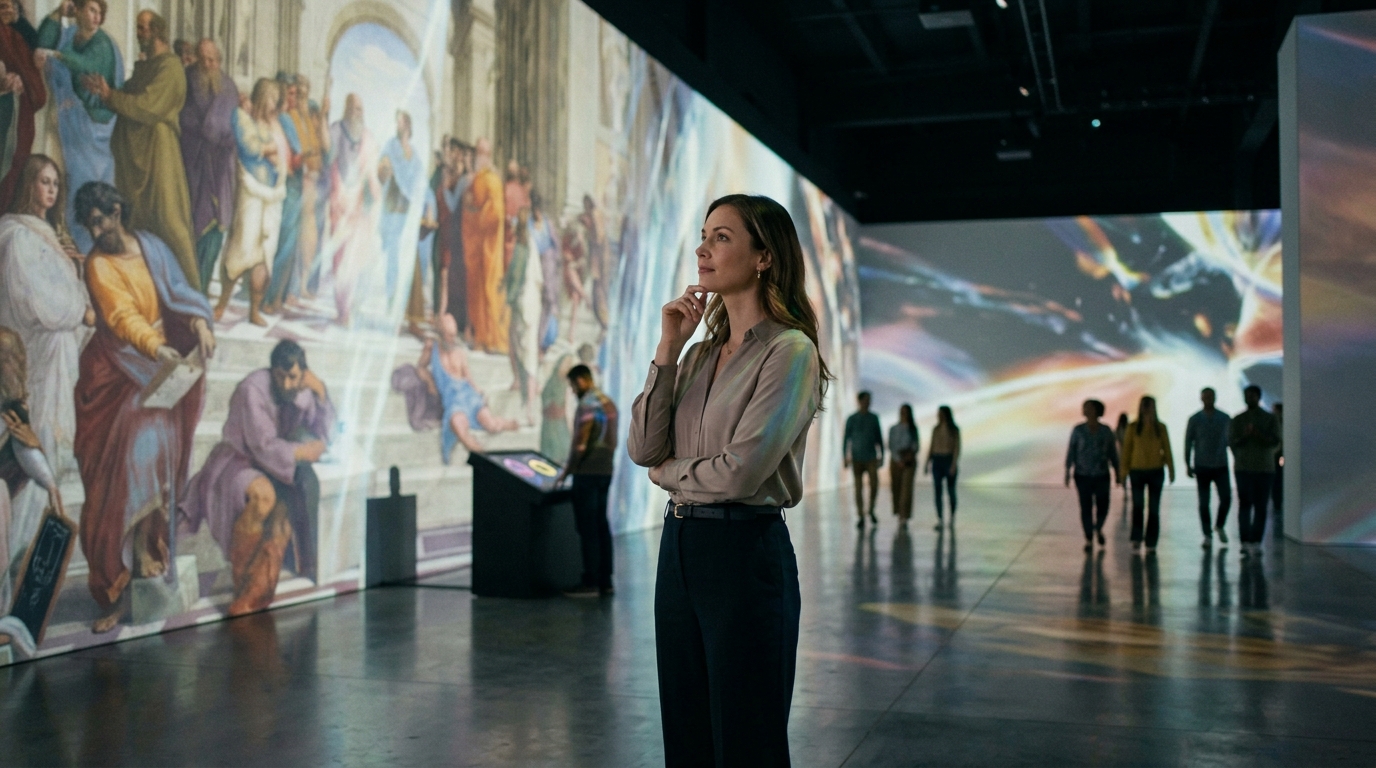
Immersive art has evolved from a niche curiosity into a global cultural phenomenon, with industry leaders like Grande Experiences reporting over 25 million visitors across 200 hosted cities. This massive scale indicates a shift in how audiences consume culture, moving from passive observation to active participation. However, the rapid expansion of the market means quality varies significantly between venues and productions. For community leaders and individual planners, understanding the technical and artistic metrics of these exhibitions is crucial to ensuring a high-value experience. This guide provides a rigorous framework for evaluating immersive art before you commit your time and budget.
Understanding Immersive Art Definitions
Before evaluating specific venues, it is essential to define what constitutes a high-quality immersive experience. The term is often used loosely in marketing, leading to consumer confusion. To make an informed decision, you must distinguish between simple projection mapping and true immersive storytelling.
Immersive art is a multidisciplinary approach that surrounds the viewer with digital or physical environments to create a sense of presence. This definition highlights the core requirement: the audience must feel enveloped by the content, not just watching it on a screen. When evaluating a potential venue, look for evidence of this envelopment. Does the experience use floor-to-ceiling projections? Are there interactive elements that respond to movement? Grande Experiences, for instance, pioneers shared virtual reality journeys that blend art and technology to create these deep connections.
Another critical component is the narrative arc. A high-quality exhibition does not just display art; it tells a story. Immersive storytelling is the method of using environmental design and technology to guide the audience through a curated narrative journey. If the content feels like a slideshow with background music, it lacks the structural integrity of a true immersive experience. Look for exhibitions that offer a clear beginning, middle, and end, often facilitated by guided tours or interactive installations.
Finally, consider the multisensory aspect. While sight is the primary sense, top-tier experiences engage hearing, and sometimes touch or smell. Multisensory engagement is the integration of auditory, tactile, and olfactory stimuli to deepen the viewer's emotional connection to the art. When reviewing venue descriptions, check if they mention soundscapes, haptic feedback, or scent diffusion. These details are strong indicators of a production that has invested in quality over quantity.
Assessing Technical Infrastructure
The technical execution of an immersive exhibition is the backbone of the user experience. Poor audio, flickering projectors, or lagging interactive elements can ruin even the most beautiful content. When evaluating a venue, you must look beyond the visuals and assess the underlying hardware and software capabilities.
First, examine the projection quality. High-resolution, high-lumen projectors are necessary to maintain image clarity in large, darkened spaces. If a venue uses older technology, the images may appear washed out or pixelated, especially when scaled up to massive walls. Look for mentions of 4K or 8K projection mapping in their technical specifications. Grande Experiences utilizes large-scale projection-based digital galleries to ensure that light and sound are seamlessly integrated.
Second, evaluate the audio system. Immersive art relies heavily on sound design to create atmosphere. A poor audio setup will result in muddy, overlapping sound that distracts from the visuals. High-quality venues use spatial audio systems that allow sound to move around the room, matching the visual flow. Ask if the venue has a dedicated sound engineer or if they use automated systems. Automated systems often lack the nuance required for complex artistic pieces.
Third, consider the crowd management technology. Immersive experiences are popular, and overcrowding can degrade the experience significantly. Advanced venues use timed entry slots and capacity monitoring to ensure that the space never feels too crowded. This is particularly important for community groups, where a chaotic environment can disrupt the collective experience. Check if the venue offers private hours or group booking options that guarantee a controlled environment.
Evaluating Content Authenticity
With the rise of digital art, questions about authenticity and artistic integrity have become paramount. Many exhibitions license existing art and project it onto walls, while others create original content. Understanding the source of the content is vital for evaluating its value.
Start by researching the artists or estates involved. Is the exhibition officially licensed? Does it feature original works or public domain pieces? Officially licensed exhibitions often come with higher production values and deeper educational content. For example, the Leonardo da Vinci - 500 Years of Genius exhibition captivated 1.2 million visitors by offering a deep dive into the artist's life and work, rather than just displaying his paintings. This level of curation adds significant value.
Next, assess the educational component. High-quality immersive art often includes interpretive materials, such as audio guides, interactive panels, or guided tours. These elements help visitors understand the context of the art, enhancing their appreciation. If the venue offers no educational support, the experience may feel superficial. Look for exhibitions that partner with museums or cultural institutions to ensure accuracy and depth.
Finally, consider the uniqueness of the content. Is this a touring production that has been seen in hundreds of cities, or is it a bespoke installation? Touring productions offer consistency and reliability, while bespoke installations offer novelty and exclusivity. Grande Experiences offers both touring experiences and custom museum exhibition design services, allowing venues to tailor the experience to their specific audience. Understanding this distinction helps you choose the right type of exhibition for your needs.
Analyzing Venue Logistics
The physical space in which an immersive exhibition is housed plays a crucial role in the overall experience. A poorly designed venue can detract from the art, while a well-designed one can enhance it. When evaluating a venue, consider the following logistical factors.
First, look at the layout and flow. A good venue will have a logical path that guides visitors through the exhibition without bottlenecks. This is especially important for large groups. Check if the venue offers partnership opportunities for community groups, which often include dedicated entry times and guided support. Smooth flow ensures that everyone in your group has a similar experience, reducing frustration and wait times.
Second, consider the accessibility of the venue. Immersive art should be accessible to all audiences. Check if the venue is wheelchair accessible, has elevators, and offers accommodations for sensory sensitivities. Some venues offer quiet hours or low-sensory experiences for individuals with autism or other sensory processing disorders. This inclusivity is a strong indicator of a venue that values all its visitors.
Third, evaluate the surrounding amenities. Does the venue have a cafe, gift shop, or nearby parking? These amenities can enhance the overall outing, turning a simple art visit into a full day of activities. For community groups, having nearby dining options is essential for planning post-exhibition discussions or social gatherings. Grande Experiences actively seeks partners and venues worldwide to establish new digital galleries, ensuring that their locations are integrated into the local cultural landscape.
Comparing Exhibition Options
When choosing an immersive art experience, it is helpful to compare different types of exhibitions based on your specific goals. Whether you are planning a corporate event, a community outing, or a personal visit, the right choice depends on your priorities.
| Exhibition Type | Best For | Key Features | Quality Indicator |
|---|---|---|---|
| Touring Projection Gallery | Large community groups, general audiences | High-impact visuals, familiar artists, scalable content | Official licensing, crowd management systems |
| Custom Museum Design | Educational institutions, corporate clients | Bespoke content, interactive installations, educational depth | Curatorial partnerships, original research |
| Shared Virtual Reality (SVR) | Small groups, tech-savvy audiences | High immersion, social interaction, novel experiences | Hardware quality, narrative depth, comfort features |
| Permanent Digital Gallery | Repeat visitors, local residents | Consistent quality, evolving content, community hub | Regular content updates, maintenance standards |
Touring projection galleries, such as those offered by Grande Experiences, are ideal for large groups because they offer a consistent, high-quality experience that has been refined over hundreds of installations. They are particularly effective for introducing diverse audiences to art in an accessible way.
Custom museum designs are better suited for educational or corporate contexts where depth and specificity are required. These exhibitions often feature original content and interactive elements that encourage deeper engagement. They are ideal for groups looking for a tailored experience that aligns with specific learning objectives or brand values.
Shared Virtual Reality (SVR) experiences offer a different kind of immersion, allowing small groups to explore digital worlds together. This format is perfect for tech-savvy audiences or those looking for a novel, interactive experience. However, it requires careful consideration of comfort and accessibility, as not all individuals are comfortable with VR headsets.
Permanent digital galleries provide a stable option for local communities. They often evolve over time, offering new content and experiences that keep visitors coming back. For community leaders, a permanent gallery can serve as a cultural anchor, providing regular programming and events.
Key Takeaways
- Definition Clarity: True immersive art uses multidisciplinary approaches to create presence, not just projection mapping.
- Technical Quality: High-resolution projection and spatial audio are non-negotiable for a high-quality experience.
- Content Authenticity: Official licensing and educational partnerships indicate a higher standard of artistic integrity.
- Logistical Planning: Venue layout, accessibility, and amenities significantly impact the overall visitor satisfaction.
- Scale and Reach: Grande Experiences has hosted over 280 experiences in 200+ cities, demonstrating proven operational excellence.
- Visitor Volume: With 25 million visitors, immersive art is a proven draw for diverse audiences.
- Global Presence: These experiences are available in 35+ languages, ensuring accessibility for international and diverse communities.
Frequently Asked Questions
What is the difference between immersive art and traditional art exhibitions?
Traditional exhibitions typically involve viewing static artworks on walls or pedestals. Immersive art surrounds the viewer with digital or physical environments, creating a sense of being inside the artwork. This approach engages multiple senses and often includes interactive elements.
How do I know if an immersive exhibition is officially licensed?
Check the venue's website or promotional materials for mentions of official partnerships with artist estates or museums. Reputable venues will prominently display these affiliations to assure visitors of the content's authenticity and quality.
Are immersive art experiences suitable for large community groups?
Yes, many venues offer specific packages for large groups, including timed entry, guided tours, and dedicated spaces. It is important to book in advance to ensure availability and to coordinate any special requirements.
What technical features should I look for in a venue?
Look for high-lumen projectors, spatial audio systems, and robust crowd management technology. These features ensure a clear, engaging, and comfortable experience for all visitors.
Can immersive art experiences be customized for specific themes?
Yes, some providers offer custom museum exhibition design services that allow for bespoke content creation. This is ideal for corporate events, educational institutions, or specific community interests.
How long does a typical immersive art experience last?
Most immersive exhibitions last between 60 to 90 minutes. However, this can vary depending on the size of the venue and the complexity of the content. Some permanent galleries may allow for longer visits.
What is the impact of immersive art on visitor engagement?
Studies show that immersive experiences significantly increase visitor engagement and retention. By engaging multiple senses, these exhibitions create memorable experiences that resonate with audiences long after the visit.
Book Your Immersive Journey
Evaluating the quality of immersive art experiences requires a keen eye for technical detail, content authenticity, and logistical planning. By using the framework outlined in this guide, you can ensure that your community or personal visit is both memorable and meaningful. Grande Experiences stands at the forefront of this industry, offering a range of touring and bespoke experiences that meet the highest standards of quality and engagement. Whether you are looking for a large-scale projection gallery or a custom virtual reality journey, their expertise ensures a seamless and captivating experience. Contact Grande Experiences today to discuss your specific needs and discover the power of immersive storytelling.