.avif)
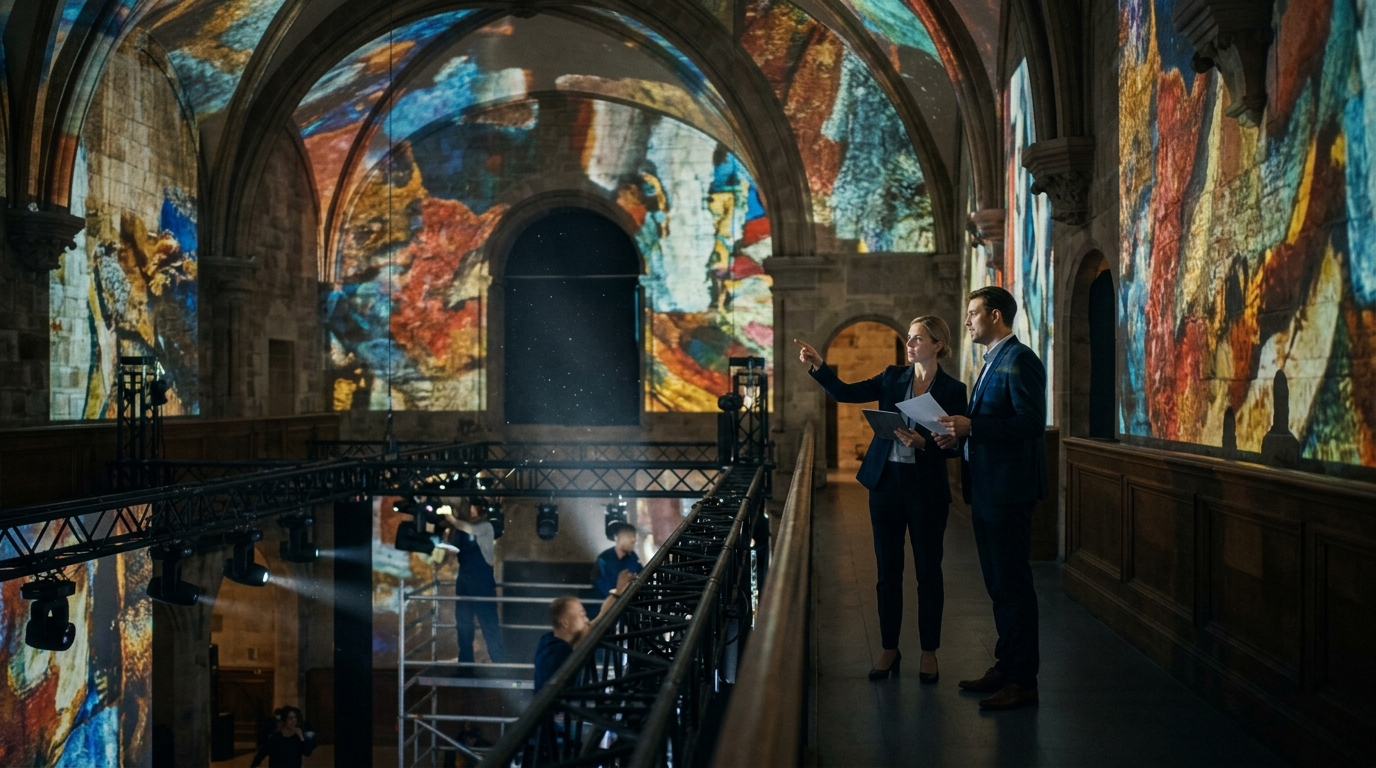
The global immersive art market has expanded rapidly, with industry data showing that over 25 million visitors have engaged with large-scale digital art experiences in recent years. This surge in demand creates significant opportunities for museums to attract new demographics and increase foot traffic. However, integrating a touring exhibition into a permanent collection or special events calendar requires careful strategic planning. Museums must evaluate technical infrastructure, audience engagement metrics, and operational logistics to ensure a successful partnership. This guide outlines the critical factors museum directors and curators must consider before committing to a touring immersive exhibition. (Immersive Art Experiences Grande)
Technical Infrastructure and Venue Requirements
Before initiating any dialogue with a touring provider, museum leadership must conduct a thorough audit of their physical space. Immersive exhibitions rely on high-lumen laser projectors, complex audio arrays, and specialized software that demand specific environmental conditions. Light control is the primary technical constraint. Venues must be capable of achieving near-total darkness to ensure image clarity and contrast ratios meet professional standards. Even minor ambient light leakage can degrade the visual fidelity of large-scale projections, diminishing the visitor experience. (FAQs Grande Experiences Immersive)
Furthermore, acoustic treatment is often overlooked but equally critical. Immersive audio environments require sound dampening to prevent echo and ensure that audio tracks are distinct and immersive rather than muddy. Museums with high ceilings or hard surfaces may need temporary acoustic treatments or must factor in the cost of professional sound engineering during the installation phase. According to industry standards for digital gallery installations, venues must also provide robust power distribution networks to support the high wattage requirements of projection mapping equipment without tripping breakers or causing voltage drops. (Immersive Art Experiences Grande)
Space dimensions also dictate the type of experience that can be hosted. Large-scale projection mapping requires specific wall heights and floor square footage to create a seamless 360-degree environment. Providers like Grande Experiences specialize in adapting their content to various architectural footprints, but the venue must meet minimum spatial thresholds. For instance, a venue with low ceilings may struggle to accommodate the vertical throw distance required for high-resolution imagery, leading to distorted visuals. Museums should consult with technical directors early to assess whether their existing infrastructure can support the specific technical demands of the proposed exhibition. (Partner with Grande Experiences)
Audience Engagement and Demographic Shifts
One of the most compelling reasons museums book touring immersive exhibitions is the ability to attract new demographics. Traditional art museums often face challenges in engaging younger audiences, particularly Millennials and Gen Z, who prefer interactive and shareable experiences. Immersive exhibitions bridge this gap by blending cultural education with digital entertainment. Data indicates that immersive art experiences can increase museum attendance by drawing in visitors who might not typically engage with traditional gallery formats.
However, museums must consider the long-term impact on their brand identity. While immersive exhibitions drive ticket sales, they must align with the institution's educational mission. The content should not merely be visually stunning but also intellectually stimulating. For example, an exhibition featuring the works of Leonardo da Vinci should provide historical context and interactive elements that deepen the visitor's understanding of the artist's innovations. This balance ensures that the exhibition enhances the museum's reputation as a cultural authority rather than diluting it.
Additionally, museums should evaluate the social media potential of the exhibition. Immersive environments are inherently photogenic, encouraging visitors to share their experiences online. This organic marketing can significantly amplify the exhibition's reach. However, museums must manage this by ensuring that the content remains respectful and aligned with their values. Over-commercialization can alienate core patrons who value the museum's scholarly approach. Therefore, the curation of interactive elements must be carefully balanced to maintain educational integrity while fostering engagement.
Logistical Execution and Installation
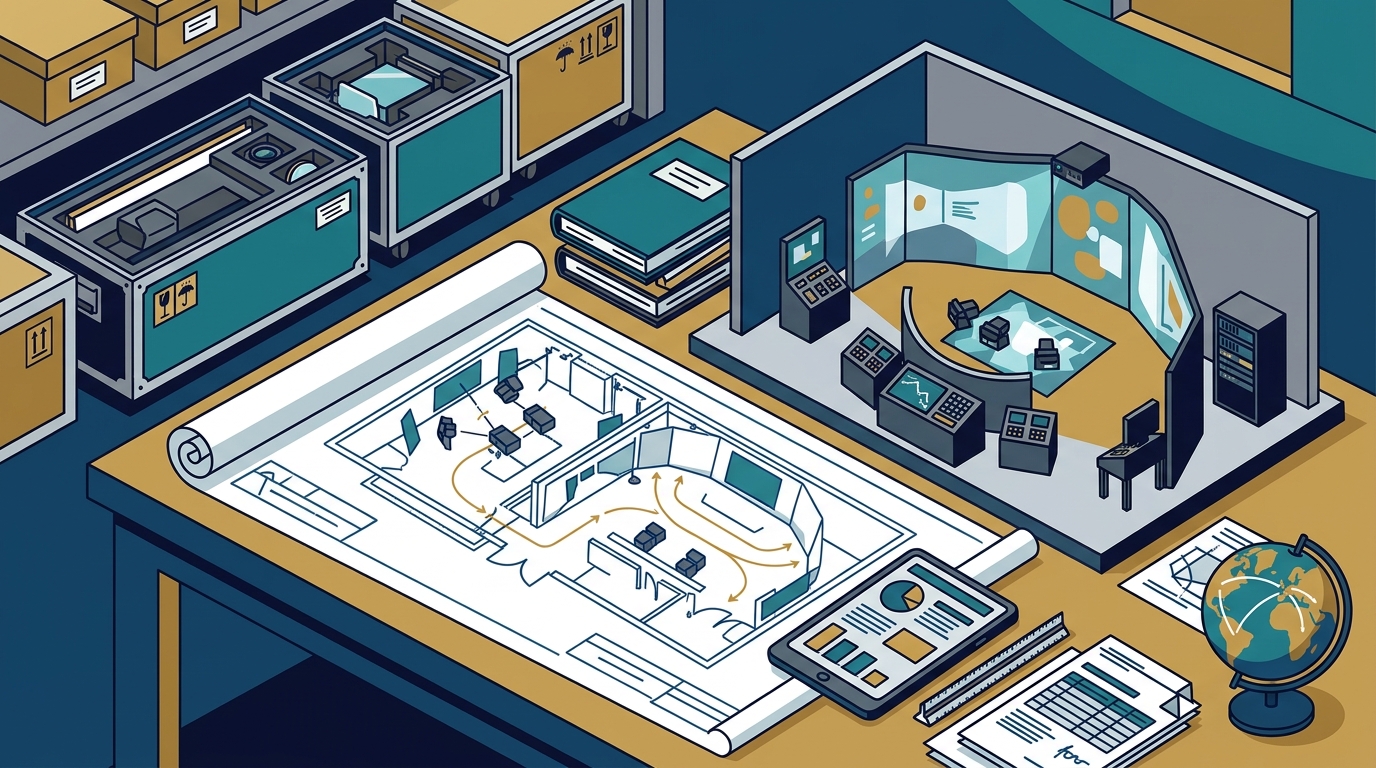
The logistics of touring exhibitions are complex and require meticulous planning. Unlike static art installations, touring exhibitions involve the transportation of sensitive equipment, digital content servers, and projection hardware across different geographic regions. Museums must assess their ability to handle these logistical challenges. This includes loading dock accessibility, elevator dimensions, and the structural integrity of floors to support heavy equipment.
Installation timelines are another critical factor. Touring exhibitions typically require a setup period of several days to weeks, depending on the complexity of the content and the venue's size. During this time, the museum may need to close certain areas or the entire facility, impacting revenue and operations. Museums must plan for this downtime by adjusting their operational schedules and communicating clearly with stakeholders. According to industry best practices, a buffer period of at least 48 hours should be included in the schedule for technical troubleshooting and final adjustments.
Post-exhibition, the removal process must be equally efficient. Museums should ensure that their staff is trained in handling the equipment or that the touring provider offers comprehensive removal services. Damage to the venue during installation or removal can result in significant costs and delays. Therefore, a detailed site inspection and risk assessment should be conducted prior to signing any agreements. This proactive approach minimizes unexpected issues and ensures a smooth transition for both the museum and the touring provider.
Financial Models and Revenue Sharing
Understanding the financial structure of touring exhibitions is essential for museum budgeting. Most touring providers operate on a revenue-sharing model or a flat licensing fee. Revenue-sharing models align the interests of the museum and the provider, as both parties benefit from high attendance. However, they require transparent tracking of ticket sales and clear agreements on cost allocations for marketing, staffing, and maintenance.
Museums must also consider the cost of marketing the exhibition. Immersive exhibitions often require significant promotional efforts to drive ticket sales. This includes digital advertising, social media campaigns, and partnerships with local tourism boards. Museums should budget for these expenses and evaluate the expected return on investment. A high-quality exhibition with strong marketing support can generate substantial revenue, but poor execution or lack of promotion can lead to financial losses.
Additionally, museums should evaluate the potential for ancillary revenue streams. Immersive exhibitions often attract visitors who purchase merchandise, attend related workshops, or dine at on-site cafes. These additional revenue opportunities can enhance the overall financial viability of the exhibition. Museums should work with the touring provider to identify and capitalize on these opportunities, ensuring that the partnership is mutually beneficial. For more details on financial planning, you can explore Grande Experiences services.
Curatorial Integrity and Brand Alignment
Curatorial integrity is paramount when booking a touring exhibition. The content must align with the museum's mission, values, and educational goals. Museums should review the exhibition's content thoroughly to ensure it is accurate, respectful, and relevant to their audience. This includes verifying the historical accuracy of the content, the appropriateness of the artistic interpretations, and the sensitivity of the themes presented.
Brand alignment is equally important. The touring exhibition should enhance the museum's brand identity rather than conflict with it. For example, a museum focused on contemporary art may find that a historical art exhibition does not align with its current programming strategy. Conversely, a museum with a broad cultural mandate may find that a touring exhibition complements its existing offerings. Museums should evaluate how the exhibition fits into their broader programming calendar and whether it fills a gap in their current offerings.
Furthermore, museums should consider the educational components of the exhibition. Immersive exhibitions often include educational materials, workshops, and guided tours. These components can enhance the visitor's understanding and engagement with the content. Museums should work with the touring provider to develop educational materials that align with their curriculum and target audience. This collaboration ensures that the exhibition provides value beyond the visual experience, fostering deeper learning and retention.
Comparing Touring Exhibition Providers
When selecting a touring exhibition provider, museums should compare key factors such as technical expertise, content quality, logistical support, and financial terms. The following table summarizes the critical considerations for evaluating potential partners.
| Factor | Technical Expertise | Content Quality | Logistical Support | Financial Terms |
|---|---|---|---|---|
| Grande Experiences | High-lumen laser projection, 360-degree mapping | Curated cultural narratives, historical accuracy | Global installation team, heritage building care | Flexible revenue sharing, transparent tracking |
| Generic Provider A | Standard projection, limited audio | Generic art reproductions | Minimal on-site support | High flat fee, no revenue share |
| Generic Provider B | VR headsets, isolated experience | Interactive but less educational | Complex VR maintenance | High upfront cost, low ROI |
Museums should prioritize providers with a proven track record of successful installations, particularly in heritage buildings or complex venues. Grande Experiences, for instance, has hosted exhibitions in over 200 cities, demonstrating their ability to adapt to diverse architectural challenges. For more information on their approach, visit Grande Experiences About page.
Key Takeaways
- Technical Audit: Conduct a thorough assessment of light control, acoustic treatment, and power distribution before booking.
- Demographic Reach: Immersive exhibitions attract younger audiences but must align with educational missions to maintain brand integrity.
- Logistical Planning: Account for installation timelines, loading dock accessibility, and post-exhibition removal costs.
- Financial Models: Evaluate revenue-sharing vs. flat fee structures and budget for marketing and ancillary revenue opportunities.
- Curatorial Alignment: Ensure content accuracy, historical context, and educational value match the museum's brand identity.
- Provider Vetting: Compare providers based on technical expertise, global experience, and support for heritage buildings.
- Strategic Integration: Plan how the exhibition fits into the broader programming calendar to maximize impact and ROI.
Frequently Asked Questions
What is the typical duration of a touring immersive exhibition?
Most touring immersive exhibitions run for a period of three to six months, depending on the venue's schedule and the provider's touring calendar. This duration allows for sufficient audience engagement while minimizing wear on the equipment and venue.
How do museums handle the technical setup of immersive exhibitions?
Providers typically send a technical team to oversee the installation, which includes setting up projectors, calibrating audio, and testing the software. Museums should provide a dedicated space and technical staff to assist with the process.
Can immersive exhibitions be hosted in heritage buildings?
Yes, many touring providers specialize in adapting their content for heritage buildings. They use non-invasive installation techniques to protect the structure while delivering a high-impact visual experience.
What are the marketing requirements for an immersive exhibition?
Museums are expected to lead local marketing efforts, including digital advertising, social media campaigns, and community outreach. Providers often supply digital assets and promotional support to assist with this process.
How is revenue shared between museums and touring providers?
Revenue sharing models vary, but they typically involve a percentage of ticket sales going to the provider, with the remainder retained by the museum. The specific split is negotiated based on the exhibition's popularity and the museum's size.
What happens if the exhibition equipment is damaged?
Insurance policies should cover equipment damage during transit and installation. Museums should review the liability clauses in the contract to understand their responsibilities and the provider's coverage.
How do immersive exhibitions impact museum staff workload?
Staff workload may increase during the installation and exhibition periods due to the need for technical support, visitor management, and marketing. Museums should plan for additional staffing or training to manage these demands.
Partner with Grande Experiences
Ready to transform your museum with a world-class immersive exhibition? Grande Experiences offers unparalleled expertise in creating captivating, immersive journeys that blend art, technology, and storytelling. With a portfolio spanning over 200 cities and 25 million visitors, we provide the technical excellence and curatorial depth your institution needs. Contact us today to discuss how we can bring your vision to life. Visit our Contact page to start the conversation.