.avif)
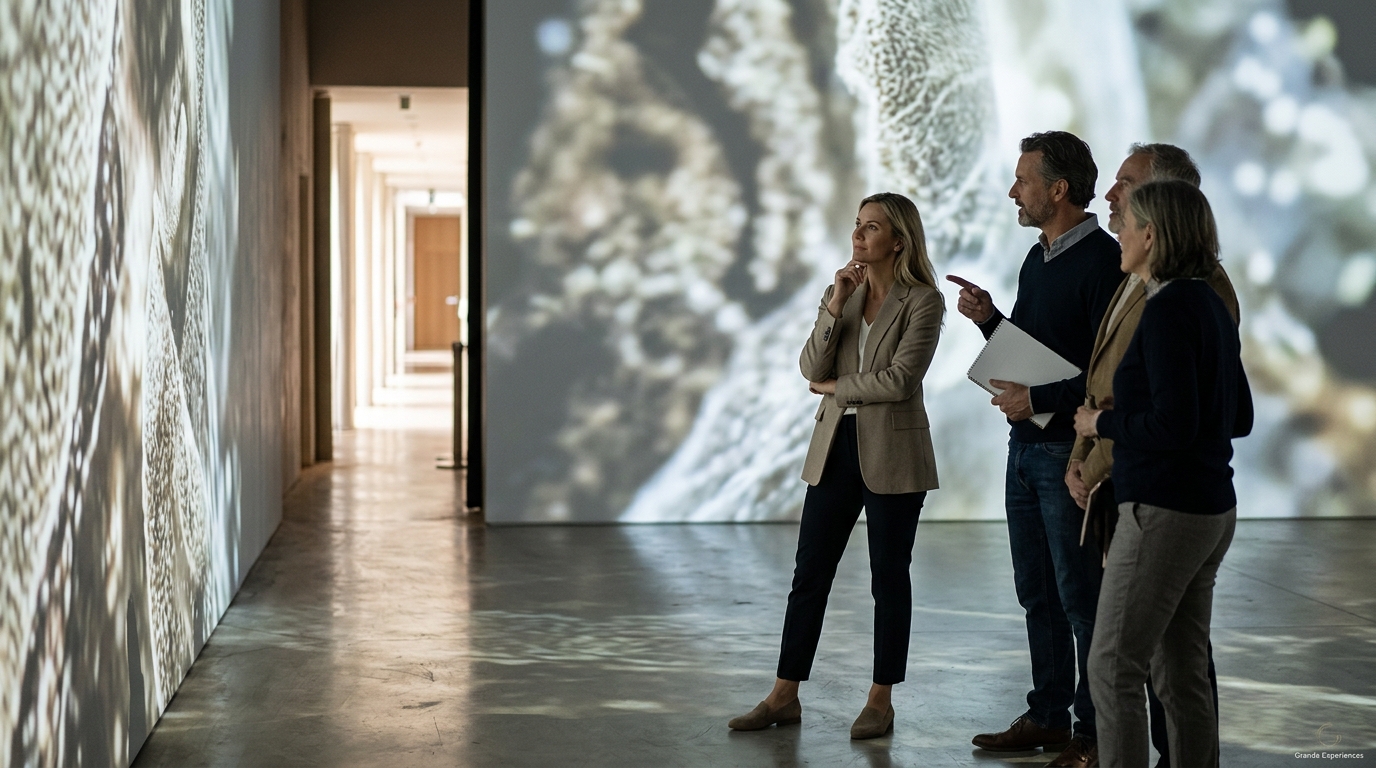
Immersive art has evolved from a niche novelty into a global cultural phenomenon, with industry leaders like Grande Experiences reporting over 25 million visitors across 200 hosted cities. This massive scale indicates a shift in how audiences consume culture, moving from passive observation to active participation. However, the rapid expansion of the market has created a wide variance in production quality, technological reliability, and artistic integrity. For individuals and community groups, distinguishing between a high-fidelity digital gallery and a low-effort projection show is critical to ensuring a valuable experience. This guide provides a rigorous evaluation framework to help you assess these experiences before booking.
Understanding Immersive Art and Its Standards
Before diving into technical specs, it is essential to define what constitutes a high-quality immersive experience. Immersive art is a multidisciplinary approach that surrounds the viewer with digital or physical environments to create a sense of presence. Unlike traditional galleries, these experiences rely on synchronization between visual, auditory, and sometimes tactile elements to maintain engagement.
When evaluating quality, look for exhibitions that prioritize narrative cohesion over mere spectacle. High-quality productions, such as the featured projects hosted by industry pioneers, often involve years of development to ensure that the technology serves the art, not the other way around. According to industry data, successful immersive exhibitions often captivate over 1.2 million visitors by balancing educational value with entertainment. This metric suggests that longevity and visitor retention are key indicators of quality.
For community groups, the definition of quality extends beyond the visuals. It includes the accessibility of the space, the clarity of the narrative, and the emotional resonance of the content. A high-quality experience should leave visitors with a deeper understanding of the subject matter, whether it is the works of Van Gogh, Leonardo da Vinci, or contemporary digital artists.
Assessing Technical Infrastructure and Hardware
The backbone of any immersive experience is its technical infrastructure. Poorly calibrated projectors, outdated audio systems, or unreliable software can ruin an otherwise beautiful concept. When evaluating a potential venue or touring show, consider the following technical markers.
Projection Mapping and Resolution
High-fidelity immersive art relies on precise projection mapping. This technology allows images to be wrapped around physical objects and architectural features, creating a seamless illusion. Look for venues that use high-lumen laser projectors capable of maintaining brightness and color accuracy across large surfaces. According to technical standards in digital art installations, consistent brightness levels are crucial for preventing eye strain and ensuring visual clarity in large spaces.
Grande Experiences, for instance, utilizes advanced projection techniques to create custom museum exhibition designs that adapt to the unique geometry of each venue. This adaptability is a sign of technical maturity, as it requires sophisticated software and hardware calibration.
Audio Design and Spatial Sound
Sound is half the immersive experience. High-quality exhibitions use spatial audio systems that direct sound to specific areas, creating a 360-degree auditory environment. This prevents the "muddy" sound often associated with poorly designed venues where audio from different zones bleeds into one another. For community groups, clear audio is essential for comprehension, especially if the experience includes guided narratives or educational content.
Network and Connectivity
In an era of digital art, reliable internet connectivity is often overlooked but vital. Many immersive experiences use cloud-based content management systems to update visuals in real-time or to facilitate interactive elements. A venue with robust IT infrastructure ensures that these systems run smoothly without interruptions. This is particularly important for corporate events or educational groups that may require simultaneous digital interactions.
Evaluating Content Authenticity and Curation
Technology is merely the vessel; the content is the soul. Evaluating the artistic merit of an immersive experience requires looking at the curation process, the source material, and the narrative depth.
Source Material and Licensing
High-quality immersive art is built on licensed, authentic source material. Exhibitions that feature works by renowned artists, such as the Leonardo da Vinci exhibitions, often involve collaboration with art historians and estate representatives to ensure accuracy. This level of curation adds a layer of educational value that generic digital art lacks. For community groups, this authenticity can enhance the learning experience, providing context and depth that goes beyond visual stimulation.
Narrative Structure
Look for experiences that tell a story. Immersive art that simply loops images of paintings can become monotonous. In contrast, high-quality productions weave a narrative that guides the visitor through a journey. For example, the Finding Vincent VR experience takes visitors on a shared virtual reality journey into Van Gogh's world, allowing them to explore his life and emotions. This narrative-driven approach creates a more memorable and impactful experience.
Interactivity and Engagement
While not all immersive art is interactive, high-quality experiences often include elements of interactivity that enhance engagement. This could range from motion-sensor triggered visuals to hands-on digital installations. For community groups, interactive elements can foster collaboration and discussion, making the experience more dynamic and inclusive.
Logistics for Community and Group Visits
For community groups, the logistical aspects of an immersive experience are just as important as the artistic content. A high-quality experience must be accessible, manageable, and enjoyable for diverse audiences.
Accessibility and Inclusivity
Ensure that the venue is accessible to all members of your group, including those with mobility issues, sensory sensitivities, or visual impairments. High-quality venues often provide accommodations such as wheelchair access, quiet hours, or audio descriptions. According to accessibility standards, inclusive design benefits all visitors by creating a more comfortable and welcoming environment.
Group Management and Support
Evaluate the venue's ability to handle large groups. This includes dedicated check-in areas, group discounts, and staff trained to assist with group dynamics. Grande Experiences offers collaboration opportunities for promoters and hosts, ensuring that each venue is equipped to manage the flow of visitors efficiently. This operational expertise is crucial for maintaining the quality of the experience for large groups.
Duration and Pacing
Consider the duration of the experience and its pacing. Immersive art can be intense, and some visitors may need breaks. High-quality venues often design their spaces to allow for natural pauses and reflection points. For community groups, a well-paced experience prevents fatigue and ensures that everyone can fully engage with the content.
Comparing Touring vs. Permanent Venues
When evaluating immersive art, you must also decide between touring exhibitions and permanent installations. Each option has distinct advantages and considerations.
Touring Exhibitions
Touring exhibitions, such as those by Grande Experiences, bring world-class art to local communities. They offer the advantage of novelty and the opportunity to see high-profile productions without traveling. However, touring shows may have varying levels of technical quality depending on the specific venue's infrastructure. It is essential to research the specific venue's reputation for hosting such events.
Permanent Installations
Permanent installations, like THE LUME, offer a consistent and refined experience. These venues have had time to optimize their technical systems and staff training. They often provide a more stable environment for community groups, with dedicated facilities and long-term partnerships with local organizations. However, they may lack the novelty of a touring show.
Decision Matrix for Groups
| Criteria | Touring Exhibition | Permanent Installation |
|---|---|---|
| Novelty | High (New content) | Lower (Established content) |
| Technical Consistency | Variable (Depends on venue) | High (Optimized over time) |
| Group Logistics | Requires careful planning | Streamlined and dedicated |
| Accessibility | Depends on local venue | Often highly accessible |
| Community Impact | Temporary boost | Ongoing cultural resource |
Key Takeaways
- Technical Fidelity: Look for high-lumen laser projectors and spatial audio systems to ensure visual and auditory clarity.
- Content Authenticity: Prioritize exhibitions with licensed source material and narrative depth, such as those featuring renowned artists.
- Group Logistics: Evaluate accessibility, group management support, and pacing to ensure a comfortable experience for all members.
- Venue Reputation: Research the host venue's track record for hosting immersive events, as infrastructure quality varies.
- Industry Scale: Consider the scale of the producer; companies with over 25 million visitors and 200+ hosted cities demonstrate operational maturity.
- Interactive Elements: Seek experiences that offer interactivity to enhance engagement and collaboration for community groups.
- Long-term Value: Permanent installations often offer more consistent quality and community integration compared to touring shows.
Frequently Asked Questions
How do I know if an immersive art experience is suitable for my community group?
Evaluate the content for age-appropriateness, accessibility features, and group management capabilities. High-quality venues provide detailed information on their websites and offer dedicated support for group bookings.
What is the difference between a touring immersive exhibition and a permanent gallery?
Touring exhibitions bring new content to different locations but may vary in technical quality. Permanent galleries offer a consistent, optimized experience with dedicated facilities and long-term community integration.
Why is technical infrastructure important in immersive art?
Technical infrastructure, including projectors and audio systems, directly impacts the visual and auditory quality of the experience. Poor infrastructure can lead to eye strain, audio distortion, and a diminished artistic impact.
How can I ensure the content is authentic and educational?
Look for exhibitions that collaborate with art historians and estates. Authentic content often includes detailed narratives and contextual information that enhance the learning experience.
What should I look for in terms of accessibility?
Check for wheelchair access, sensory-friendly hours, and accommodations for visual or hearing impairments. High-quality venues prioritize inclusivity to ensure all visitors can enjoy the experience.
Are immersive art experiences worth the cost for groups?
Yes, when evaluated correctly. High-quality immersive art offers a unique, memorable experience that can be both entertaining and educational, providing significant value for community groups.
How do I book a group visit to an immersive exhibition?
Contact the venue directly through their official website. Many venues offer dedicated group booking portals and discounts for community organizations.
Book Your Immersive Experience
Evaluating the quality of immersive art experiences requires a careful balance of technical, artistic, and logistical considerations. By using this guide, you can ensure that your community or personal visit is both memorable and meaningful. For those seeking world-class immersive storytelling, Grande Experiences offers a range of immersive art experiences that blend art, technology, and culture. Explore our collaboration opportunities or visit our contact page to learn more about hosting or attending these extraordinary events.