.avif)
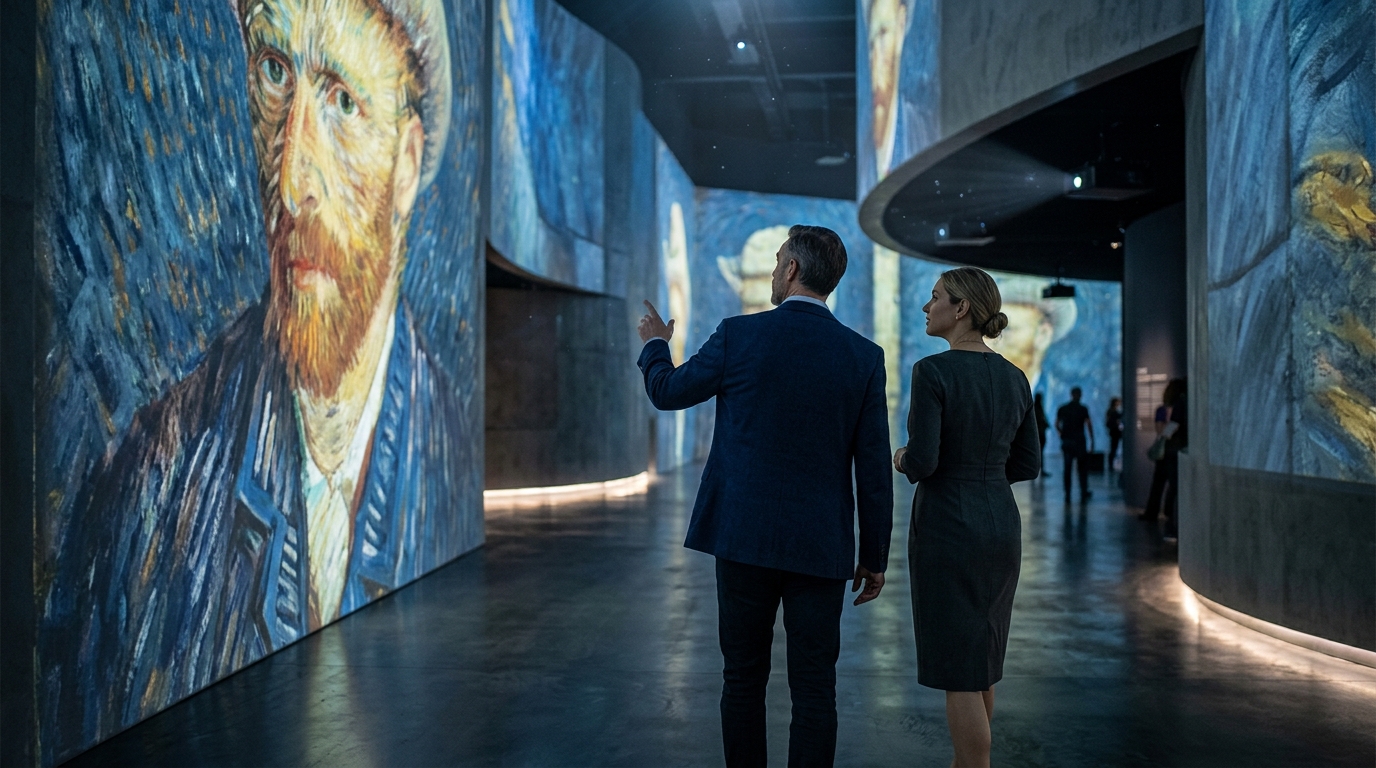
Securing a touring immersive exhibition is no longer a niche novelty but a strategic imperative for modern cultural institutions. According to recent industry data, immersive art experiences have captitated over 25 million visitors globally, transforming how audiences engage with heritage and contemporary art. For museum directors and curators, the decision to host such a production requires balancing technical feasibility, audience demographics, and financial sustainability. This guide outlines the critical operational, spatial, and curatorial factors you must evaluate before committing to a partnership. (Contact Grande Experiences Get)
Spatial and Infrastructure Requirements
The physical footprint of a touring immersive exhibition is the primary constraint. Unlike traditional gallery displays, these productions rely on large-scale digital installations, high-lumen projection mapping, and complex spatial design. A venue must possess adequate ceiling height, load-bearing capacity for heavy rigging, and precise control over ambient light to ensure visual fidelity. (FAQs Grande Experiences Immersive)
Clear Span and Ceiling Height
Most touring productions require a clear span area free of structural columns that might obstruct projection angles. Ceiling heights typically range from 15 to 30 feet to accommodate overhead rigging and sound arrays. If your venue is a heritage building, structural integrity assessments must be conducted early to ensure the infrastructure can support the weight of projection equipment without damaging historic fabric. (Immersive Art Experiences Grande)
Power and HVAC Capacity
High-performance projectors and audio systems generate significant heat and draw substantial power. Your facility must have robust HVAC systems to maintain comfortable temperatures for both equipment and visitors. Additionally, dedicated power circuits are often required to prevent electrical surges that could disrupt the show or damage sensitive digital assets.
Technical Logistics and Installation
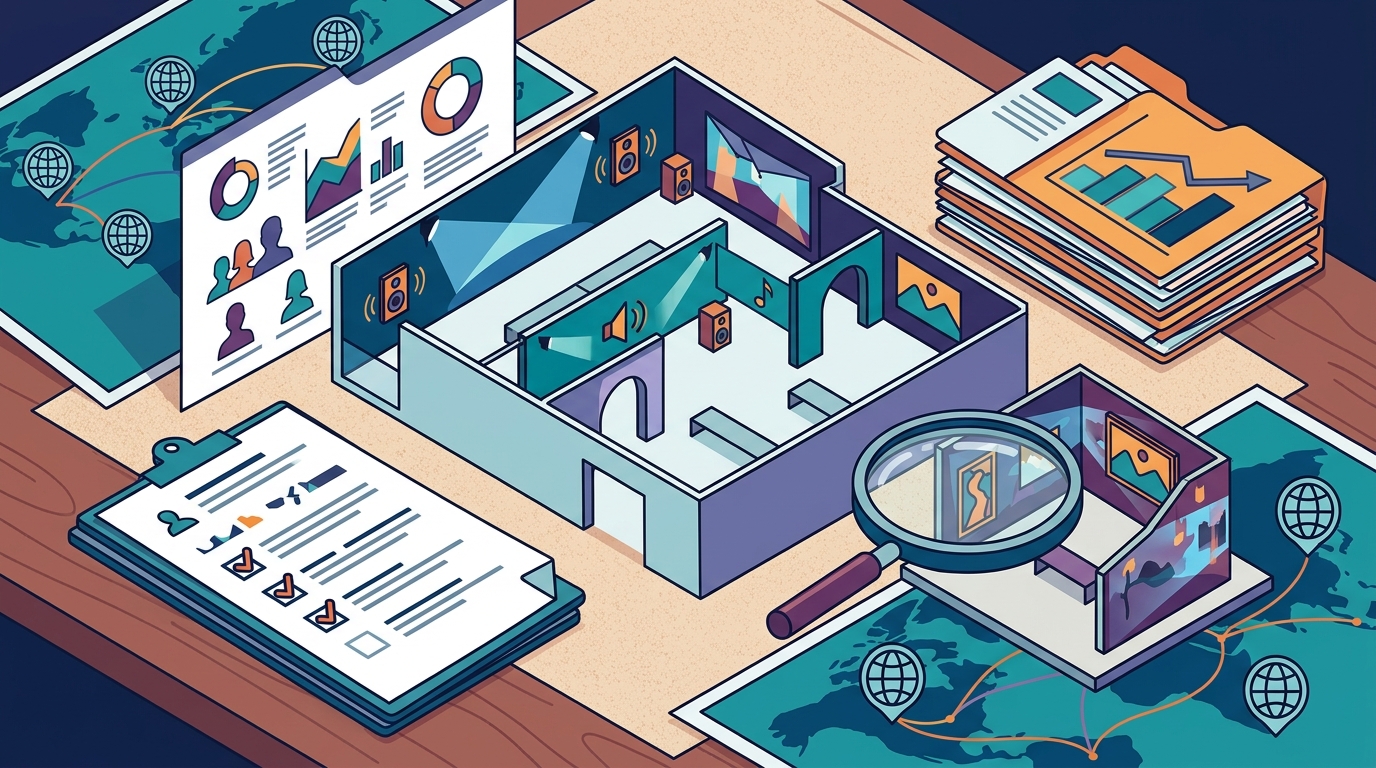
The success of an immersive experience hinges on the precision of its installation. Touring productions are not plug-and-play solutions; they require specialized in-house production teams to manage every aspect of technical specifications, sourcing, and project management.
Installation and Deinstallation Timelines
Expect a rigorous installation window, often spanning several weeks. The production team will collaborate closely with your facilities staff to ensure the experience opens on time. Efficient deinstallation is equally critical to minimize downtime for your venue. A clear timeline prevents conflicts with other scheduled events and ensures the space is restored to its original state.
Heritage Building Considerations
For museums housed in historic structures, non-invasive installation methods are mandatory. This includes using temporary rigging points, cable management systems that do not drill into walls, and projection surfaces that can be applied and removed without residue. The expertise of the production team in navigating delicate infrastructure is a key differentiator in selecting a partner.
Audience Engagement and Demographics
Immersive exhibitions attract a broad demographic, often drawing visitors who might not typically engage with traditional museum offerings. Understanding your local audience is essential for marketing and operational planning.
Expanding Your Reach
Data shows that immersive experiences can increase attendance by appealing to families, students, and tech-savvy millennials. These exhibitions often serve as entry points for new audiences, fostering long-term loyalty to your institution. However, they also require robust crowd management strategies to handle high foot traffic and ensure a quality experience for all guests.
Multi-Sensory Impact
These experiences engage sight, sound, and sometimes smell, creating a memorable emotional connection. This multi-sensory approach can enhance learning outcomes and visitor retention. Consider how the exhibition aligns with your educational goals and whether it complements your permanent collection or fills a curatorial gap.
Financial Models and Revenue Sharing
Booking a touring exhibition involves significant financial planning. Most partners operate on a revenue-sharing model or a flat licensing fee, depending on the scale and exclusivity of the production.
Revenue Sharing Structures
Revenue sharing is common for large-scale touring productions. This model aligns the interests of the venue and the producer, as both parties benefit from high attendance. It also reduces upfront financial risk for the venue, as costs are tied to performance. However, it requires accurate tracking of ticket sales and transparent reporting mechanisms.
Marketing and Promotion Costs
While the producer often provides marketing assets, the venue is typically responsible for local promotion. Budget for digital advertising, PR campaigns, and community outreach. Leveraging your existing donor base and membership network can amplify reach and drive early ticket sales.
Curatorial Integrity and Content
As a museum, your reputation for curatorial excellence is paramount. Evaluating the content of a touring exhibition is as important as assessing its technical feasibility.
Alignment with Mission
Does the exhibition align with your institution’s mission and values? For example, an exhibition focusing on Indigenous art should be handled with cultural sensitivity and respect. Grande Experiences acknowledges Aboriginal people as the traditional custodians of the land and works respectfully to honor their ongoing cultural connections. Ensure your partner shares this commitment to cultural integrity.
Educational Value
Assess the educational components of the exhibition. Does it offer resources for schools and researchers? Can it be integrated into your existing educational programs? Exhibitions that offer depth beyond visual spectacle provide greater long-term value to your institution.
Sustainability and Community Impact
Modern museums are increasingly focused on sustainability and community engagement. The choice of a touring partner should reflect these values.
Environmental Impact
Consider the environmental footprint of the production. Does the partner use energy-efficient equipment? Are materials reusable or recyclable? Sustainable practices reduce operational costs and align with global conservation goals.
Community Engagement
Look for partners who prioritize community engagement. Grande Experiences, for instance, supports charitable organizations and educational initiatives, such as funding instruments for the Worowa Aboriginal Girls College. These partnerships enhance your institution’s social impact and strengthen community ties.
Key Takeaways
- Spatial Feasibility: Ensure your venue has adequate ceiling height, load-bearing capacity, and HVAC support for large-scale digital installations.
- Technical Expertise: Partner with producers who offer comprehensive project management and non-invasive installation methods for heritage buildings.
- Financial Alignment: Evaluate revenue-sharing models to mitigate upfront risk and align incentives with attendance goals.
- Curatorial Fit: Verify that the content aligns with your mission and offers genuine educational value beyond visual spectacle.
- Cultural Sensitivity: Prioritize partners who demonstrate respect for cultural heritage and community engagement, such as support for Indigenous initiatives.
- Audience Expansion: Immersive exhibitions can attract new demographics, including families and younger audiences, expanding your institutional reach.
- Operational Support: Choose a partner who provides robust marketing assets and crowd management strategies to ensure a seamless visitor experience.
Frequently Asked Questions
What is a touring immersive exhibition?
A touring immersive exhibition is a cultural destination that uses large-scale digital installations, sound, lighting, and spatial design to surround visitors within a multi-sensory environment. These productions are designed to be dismantled and reinstalled in various venues worldwide.
How long does the installation process take?
Installation timelines vary by venue size and complexity but typically span several weeks. The production team manages all technical specifications, ensuring a smooth and efficient setup that minimizes disruption to your venue.
Do immersive exhibitions require special HVAC systems?
Yes, high-performance projectors and audio systems generate significant heat. Your venue must have robust HVAC capacity to maintain comfortable temperatures for both equipment and visitors, preventing overheating and ensuring optimal performance.
How are revenue sharing agreements structured?
Revenue sharing agreements typically involve a split of ticket sales between the venue and the producer. This model aligns incentives, as both parties benefit from high attendance. Specific terms are negotiated based on the scale of the production and the venue’s capabilities.
Can immersive exhibitions be hosted in heritage buildings?
Yes, but it requires careful planning. Non-invasive installation methods, such as temporary rigging and cable management, are essential to protect historic fabric. Producers with experience in heritage buildings can navigate these challenges effectively.
What educational resources are available for schools?
Many touring exhibitions offer educational resources, including lesson plans, guided tours, and workshops. These resources help integrate the exhibition into school curricula, enhancing learning outcomes for students.
How do immersive exhibitions impact local communities?
Immersive exhibitions can boost local tourism, create jobs, and foster community pride. Partners who prioritize community engagement, such as supporting local charities or educational initiatives, further enhance their positive social impact.
Partner With Us
Ready to transform your venue into a world-class cultural destination? Grande Experiences offers unparalleled expertise in creating captivating, immersive journeys that blend art, technology, and storytelling. Our touring productions combine cutting-edge projection technology with powerful narratives to captivate audiences and drive attendance. Contact us today to discuss how we can bring an unforgettable experience to your institution.
Learn more about partnering with Grande Experiences and explore our current touring exhibitions.