.avif)
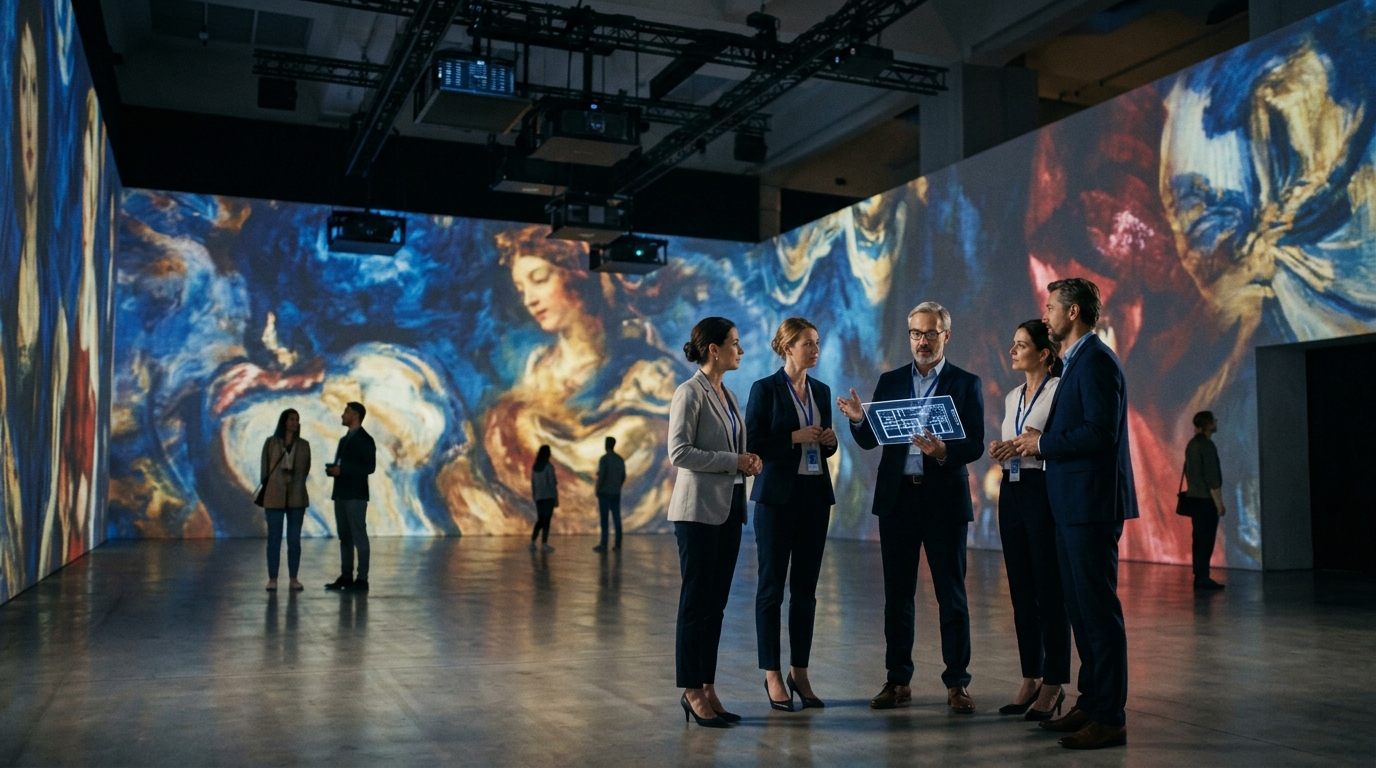
The landscape of cultural engagement has shifted dramatically in recent years. Immersive exhibitions are no longer niche novelties but central drivers of attendance for institutions seeking to attract broader demographics. According to industry data, over 25 million visitors have engaged with touring immersive productions globally, signaling a massive shift in how audiences consume art and history. For museum directors and curators, the decision to host such an exhibition involves complex logistical, technical, and financial evaluations. This guide outlines the critical factors museums must consider when booking a touring immersive exhibition to ensure operational success and audience satisfaction.
Understanding Immersive Exhibition Models
Before evaluating vendors, it is essential to define what constitutes an immersive exhibition in a professional context. An immersive exhibition is a cultural destination that uses large-scale digital installations, spatial design, and multi-sensory elements to surround visitors within a narrative environment. Unlike traditional static displays, these experiences rely on projection mapping, synchronized audio, and sometimes virtual reality (VR) components to create a cohesive journey.
For museums, the primary value proposition lies in accessibility and engagement. These exhibitions often democratize access to high-resolution art or historical data that would otherwise be inaccessible due to fragility or geographic distance. For example, projects like Finding Vincent VR allow audiences to explore Van Gogh's world in a shared virtual reality format, offering a depth of emotional connection that static paintings cannot achieve alone.
Museums must also consider the educational alignment of the content. Does the exhibition complement existing collections? Does it offer new interpretive layers to familiar subjects? Grande Experiences, for instance, has produced works such as Leonardo da Vinci - 500 Years of Genius, which captivated 1.2 million visitors by combining historical accuracy with cutting-edge visualization. Understanding the pedagogical value is the first step in justifying the investment to stakeholders.
Technical Infrastructure and Venue Readiness
The most common point of failure in hosting touring exhibitions is a mismatch between the production's technical requirements and the venue's physical capabilities. Immersive productions are not plug-and-play; they require precise environmental controls and structural integrity.
Projection and Lighting Constraints
Large-scale projection mapping requires specific ceiling heights, wall flatness, and ambient light control. Museums must assess whether their galleries can achieve the necessary black-out conditions. Even minor light leaks can degrade the visual fidelity of high-definition projections. Furthermore, the structural load of projection equipment must be evaluated to ensure heritage buildings or sensitive gallery spaces are not compromised.
Audio and Spatial Design
Sound design is equally critical. Immersive experiences often utilize spatial audio to guide visitor attention. Museums must consider soundproofing to prevent bleed into adjacent galleries or neighboring institutions. Additionally, the physical layout must accommodate crowd flow. High-traffic exhibitions can create bottlenecks if the entry and exit paths are not carefully designed by the production team.
For venues with unique architectural challenges, bespoke solutions are often required. Grande Experiences emphasizes their ability to work with heritage buildings and diverse infrastructure, ensuring that technical specifications are adapted to the specific constraints of the host site without compromising the artistic vision.
Financial and Operational Logistics
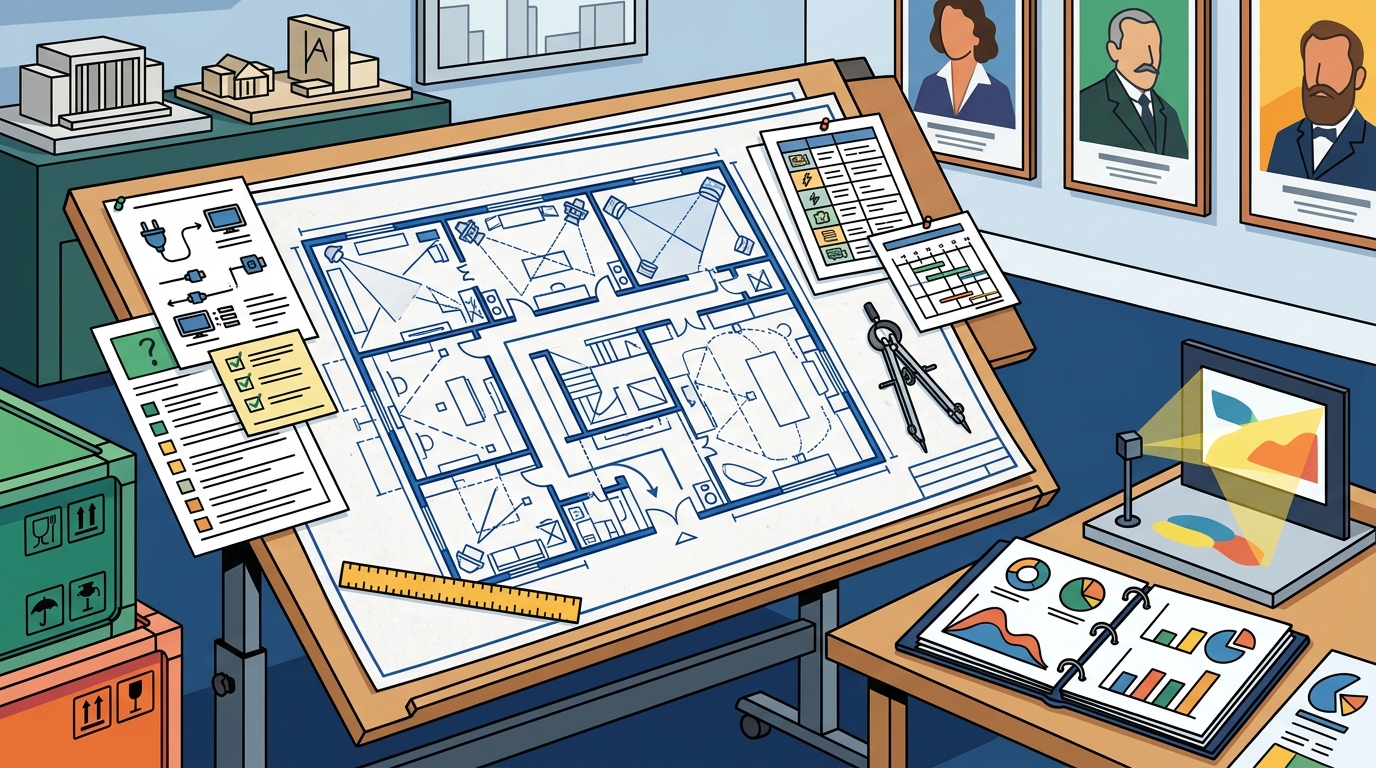
Booking a touring exhibition involves significant financial planning beyond the licensing fee. Museums must account for installation, deinstallation, and ongoing operational costs.
Licensing and Royalty Models
Most touring producers operate on a hybrid model combining a flat licensing fee with a percentage of ticket sales. Museums should negotiate clear terms regarding minimum guarantees and revenue sharing. It is crucial to understand the break-even point for ticket sales to manage financial risk effectively.
Installation and Deinstallation Timelines
The physical installation of an immersive exhibition is a complex logistical operation. It typically involves a team of technicians, electricians, and artists working on-site for several weeks. Museums must plan for gallery closures during this period, which impacts overall attendance revenue. Efficient project management is vital to ensure the exhibition opens on time and within budget.
Furthermore, the deinstallation process must be planned to protect the venue's infrastructure. High-quality producers prioritize the care of delicate heritage sites, ensuring that no permanent damage is left behind. This attention to detail is a hallmark of professional touring companies like Grande Experiences, which handles every aspect of technical specifications and project management.
Audience Engagement and Marketing Potential
The success of an immersive exhibition hinges on its ability to attract and retain visitors. Museums must evaluate the marketing support provided by the touring partner.
Global Reach and Brand Recognition
Exhibitions that have toured internationally often carry built-in brand recognition. For instance, The LUME has established a strong presence in cities like Melbourne and Indianapolis, creating a network of anticipation among art enthusiasts. Leveraging this global footprint can significantly reduce the marketing burden on the local museum.
Digital and Social Media Integration
Immersive exhibitions are inherently photogenic, driving organic social media engagement. Museums should assess the exhibition's design for "instagrammable" moments that encourage visitor-generated content. This organic reach can amplify marketing efforts and attract younger demographics who prioritize experiential travel.
Additionally, consider the exhibition's potential for community engagement. Grande Experiences actively supports community engagement initiatives, including partnerships with educational institutions and charitable organizations. Aligning with a producer that values community impact can enhance the museum's reputation and foster deeper local connections.
Comparing Touring Partners and Production Quality
Not all touring exhibitions are created equal. Museums must conduct due diligence when selecting a partner to ensure the highest quality experience for their visitors.
| Criteria | High-Quality Producer | Low-Quality Producer |
|---|---|---|
| Technical Support | Full in-house team for installation and troubleshooting | Relies on local contractors with limited oversight |
| Content Originality | Proprietary content with high-resolution archival access | Generic or low-resolution stock media |
| Venue Adaptability | Customized solutions for unique architectural constraints | One-size-fits-all approach ignoring site specifics |
| Visitor Experience | Multi-sensory design with crowd flow management | Static displays with poor audio-visual synchronization |
| Community Impact | Active engagement with local schools and charities | Minimal community outreach or educational programming |
When evaluating partners, look for producers with a proven track record of smooth installations and positive visitor feedback. Reviews from industry publications and visitor testimonials can provide valuable insights into the quality of the experience. For example, Grande Experiences has been recognized by major outlets for its stunning visual experiences and revolutionary approach to art presentation.
Key Takeaways
- Technical Due Diligence: Assess venue constraints for projection, lighting, and audio before committing to a contract.
- Financial Clarity: Understand the licensing model, including minimum guarantees and revenue sharing, to manage risk.
- Operational Support: Choose a producer that provides full in-house technical support for installation and deinstallation.
- Brand Leverage: Prioritize exhibitions with global recognition to reduce marketing costs and attract broader audiences.
- Community Alignment: Evaluate the producer's commitment to community engagement and educational partnerships.
- Visitor Flow: Ensure the exhibition design accommodates high traffic volumes without compromising the experience.
- Heritage Care: Verify that the production team has experience working with heritage buildings and sensitive infrastructure.
Frequently Asked Questions
How long does it take to install a touring immersive exhibition?
Installation timelines vary based on the size of the exhibition and the venue's complexity. Typically, a professional team requires several weeks to complete the installation, ensuring all technical and artistic elements are perfectly synchronized.
What is the typical revenue model for touring exhibitions?
Most touring exhibitions operate on a hybrid model combining a flat licensing fee with a percentage of ticket sales. Museums should negotiate clear terms regarding minimum guarantees to manage financial risk.
Can immersive exhibitions be hosted in heritage buildings?
Yes, many producers specialize in adapting their technology for heritage buildings. They prioritize the care of delicate infrastructure and offer customized solutions to protect historical integrity while delivering a modern experience.
How do immersive exhibitions attract younger audiences?
Immersive exhibitions leverage multi-sensory design and social media-friendly environments to engage younger demographics. The interactive and photogenic nature of these experiences encourages organic sharing and word-of-mouth marketing.
What support does the producer provide for marketing?
Reputable producers often provide marketing assets, global brand recognition, and strategic guidance. Some also engage in community outreach programs that enhance local visibility and educational impact.
Are immersive exhibitions suitable for educational groups?
Yes, many producers offer educational programming and partnerships with schools. These initiatives can enhance the museum's role as a learning hub and provide valuable resources for students.
How do I choose the right touring partner?
Evaluate potential partners based on their technical expertise, content originality, venue adaptability, and community engagement. Review their portfolio and seek testimonials from previous host venues.
Partner with a Leader in Immersive Storytelling
Booking a touring immersive exhibition is a strategic decision that can transform your museum's impact and attendance. By carefully evaluating technical requirements, financial models, and production quality, you can ensure a successful partnership. Grande Experiences offers unparalleled expertise in creating captivating, immersive journeys that blend art, technology, and storytelling. Contact us today to explore how we can bring your vision to life.
Contact Grande Experiences to discuss your venue's needs and discover the possibilities of immersive storytelling.