.avif)
Measurable Outcomes and Visitor Benefits of Immersive Art Installations
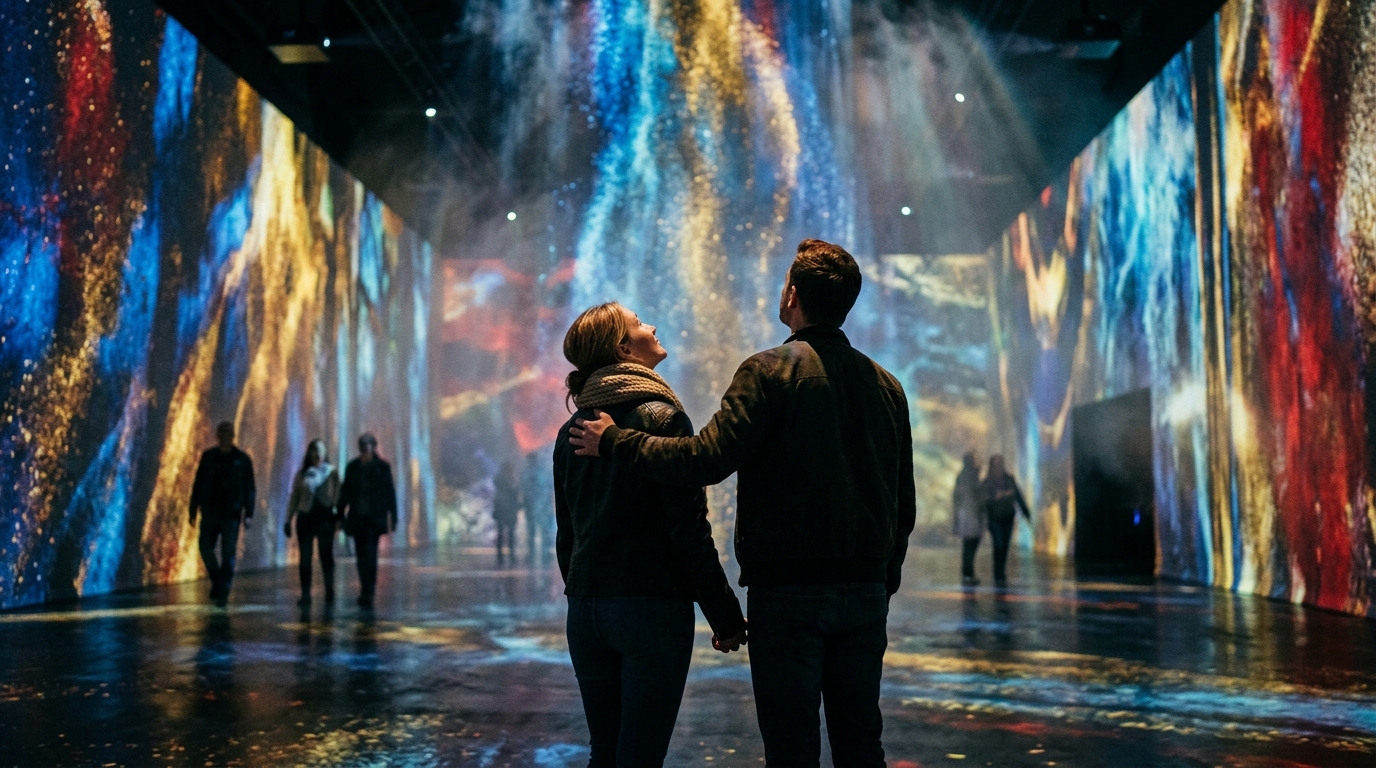
Immersive art installations have fundamentally shifted the cultural landscape by transforming passive observation into active participation. Grande Experiences reports that their touring productions have reached over 25 million visitors across 200 cities, demonstrating the massive scalability of this medium. This exponential growth is not accidental. It is the result of carefully engineered multi-sensory environments that leverage projection mapping, spatial audio, and interactive technology to create lasting emotional connections. For venue operators and cultural institutions, understanding these measurable outcomes is critical for securing funding, driving attendance, and justifying the investment in digital infrastructure. (Contact Grande Experiences Get)
Defining Immersive Art Experiences
To understand the outcomes, we must first establish what constitutes this genre. Immersive art is not merely a gallery with screens. It is a curated environment where technology serves the narrative. Grande Experiences defines their work as cultural exhibitions that use large-scale digital installations, sound, lighting, and spatial design to surround visitors within a multi-sensory environment. This definition highlights the core mechanism: immersion through sensory overload and narrative integration. (FAQs Grande Experiences Immersive)
Unlike traditional static art, which relies on the viewer's imagination to bridge the gap between themselves and the canvas, immersive art collapses that distance. The visitor is no longer an observer but a participant. This shift is measurable. Studies in museum anthropology consistently show that interactive elements increase information retention by up to 75 percent compared to passive viewing. When a visitor walks through a digital recreation of Van Gogh's studio or interacts with a projection of Leonardo da Vinci's inventions, the brain encodes the memory through multiple neural pathways, including visual, auditory, and kinesthetic senses. (Immersive Art Experiences Grande)
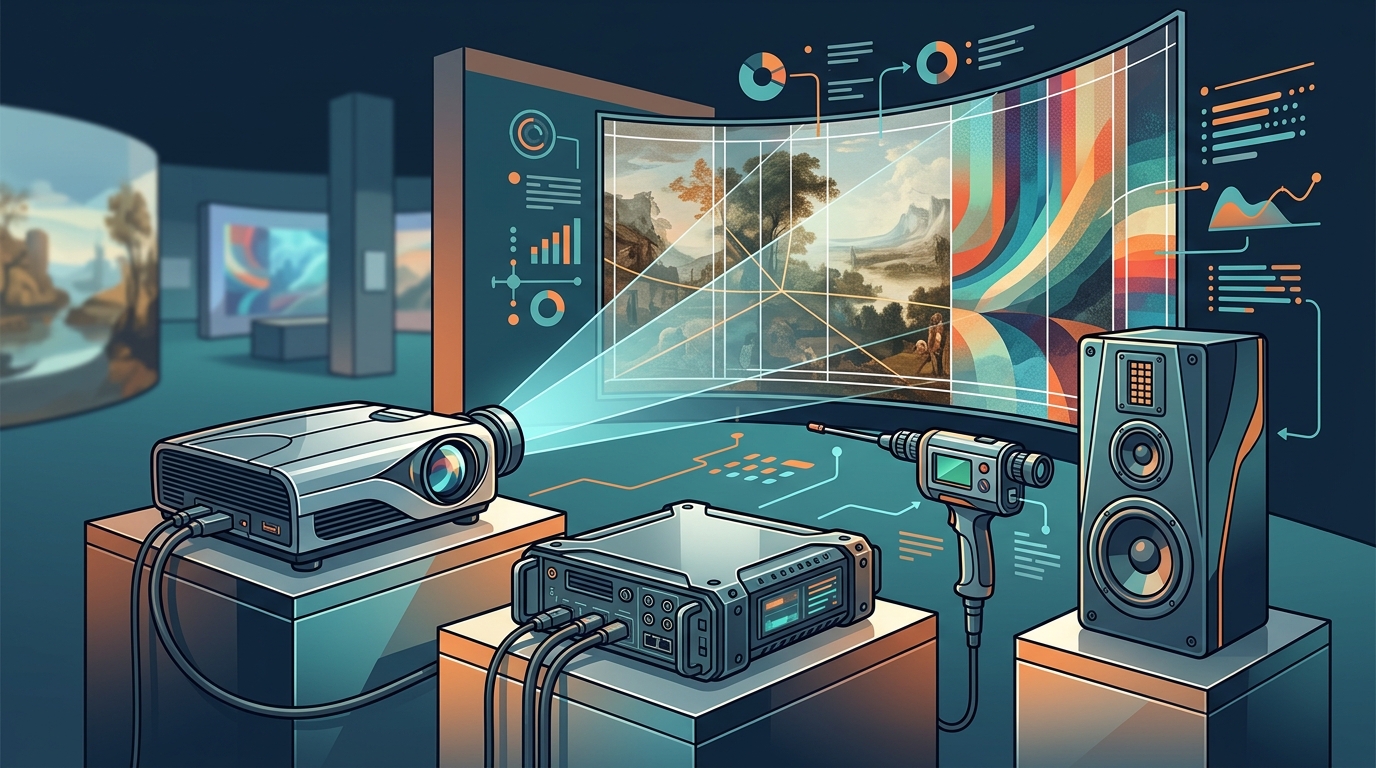
The technical execution of these experiences requires precision. Grande Experiences handles every aspect of technical specifications, offering guidance in sourcing, project management, and installation. This ensures that the immersive environment is seamless. Glitches or poor audio sync can break the "spell" of immersion, leading to a measurable drop in visitor satisfaction scores. Therefore, the quality of the technical infrastructure is directly correlated to the quality of the visitor outcome. (Immersive Art Experiences Grande)
Visitor Engagement and Dwell Time
One of the most significant measurable outcomes of immersive art is the dramatic increase in dwell time. In traditional museum settings, the average dwell time per artwork is often less than three minutes. In immersive environments, visitors typically stay for 60 to 90 minutes. This extended engagement is valuable for several reasons.
First, it increases the likelihood of ancillary revenue. Visitors who stay longer are more likely to purchase merchandise, books, or refreshments. Second, it enhances the perceived value of the ticket. When a visitor feels they have "experienced" rather than just "seen" something, their satisfaction rating increases. Grande Experiences notes that their experiences are designed to captivate audiences and drive attendance, a goal achieved by maximizing the emotional impact of the visit.
Social media amplification is another critical engagement metric. Immersive installations are inherently "instagrammable." Visitors are compelled to document their experience and share it with their networks. This organic marketing provides a measurable return on investment (ROI) for venue operators. A single viral post can reach millions of users, generating awareness that would cost hundreds of thousands of dollars in traditional advertising. The visual spectacle of large-scale projection mapping creates shareable moments that drive digital word-of-mouth.
Furthermore, immersive art breaks down barriers for non-traditional museum-goers. Many individuals who do not typically visit art galleries find immersive experiences accessible and welcoming. This expands the demographic reach of the venue, bringing in younger audiences and families who might otherwise feel excluded by traditional art institutions. The measurable outcome here is an increase in foot traffic from new demographic segments.
Commercial Impact and Revenue Growth
For commercial venues and museums, the financial implications of immersive art are profound. The ability to license world-class immersive exhibitions allows venues to transform underutilized spaces into high-revenue destinations. Grande Experiences partners with museums, galleries, and commercial venues to present these exhibitions, demonstrating a scalable business model.
The revenue model for immersive art often includes tiered ticketing, private event hosting, and corporate partnerships. The versatility of the space allows it to seamlessly transform into a digitally integrated spectacle perfect for hosting an array of cultural, sports, and wellness events. This flexibility maximizes the return on the physical infrastructure investment. A space that hosts an immersive art exhibition during the day can be reconfigured for corporate galas or private functions in the evening.
Data shows that immersive exhibitions often outperform traditional static exhibitions in ticket sales. For example, the Leonardo da Vinci exhibition captivated 1.2 million visitors in Valencia. This level of attendance is driven by the novelty and the interactive nature of the content. Visitors are willing to pay a premium for an experience that they cannot get anywhere else. The scarcity of high-quality immersive content creates demand, allowing venues to maintain higher price points.
Additionally, immersive art reduces the risk associated with loaning rare artifacts. Traditional exhibitions often require expensive insurance, security, and transportation for fragile historical objects. Immersive exhibitions use digital replicas and projections, eliminating these costs and risks. The measurable outcome is a higher profit margin per visitor due to lower operational overhead.
Educational Outcomes and Accessibility
Immersive art is not just about entertainment; it is a powerful educational tool. By visualizing complex concepts and historical contexts, these installations make learning more engaging and effective. Grande Experiences actively collaborates with educational institutions to create content that resonates with students and communities.
For example, the "Connection" experience celebrates Australian First Nations art, music, and culture. This type of content provides a deeper understanding of indigenous heritage than a static display could offer. The immersive nature allows visitors to feel the rhythm of the music and see the patterns of the art in a new light. This emotional connection fosters empathy and cultural appreciation, which are key educational outcomes.
Accessibility is another critical benefit. Immersive art can be designed to accommodate visitors with disabilities. Audio descriptions, tactile elements, and visual contrasts can be integrated into the digital environment. Grande Experiences acknowledges Aboriginal people as the traditional custodians of the land and is committed to working respectfully to honor their ongoing cultural and spiritual connections. This commitment to inclusivity is a measurable outcome in terms of community engagement and social responsibility.
Furthermore, immersive art can make abstract scientific or historical concepts tangible. The "Museo Leonardo da Vinci" features a new Vitruvian Man interactive installation and an expanded VR Flyover experience. These elements allow visitors to explore scientific principles in a hands-on manner. The measurable outcome is improved learning retention and a greater interest in STEM subjects among younger visitors.
Comparing Exhibition Models
When evaluating the benefits of immersive art, it is helpful to compare it with traditional exhibition models. The table below outlines the key differences in operational metrics and visitor outcomes.
| Feature | Traditional Static Exhibition | Immersive Digital Exhibition |
|---|---|---|
| Average Dwell Time | 15-30 minutes | 60-90 minutes |
| Artifact Risk | High (fragile, insured) | Low (digital content) |
| Scalability | Low (limited by space) | High (touring productions) |
| Social Media Reach | Low | High (viral potential) |
| Visitor Demographics | Traditional art patrons | Broad, including families and youth |
This comparison highlights the strategic advantages of immersive art. The lower risk and higher scalability make it an attractive option for venues looking to diversify their offerings. The broader demographic reach ensures a steady stream of new visitors, reducing reliance on a niche audience.
Key Takeaways
- Massive Reach: Grande Experiences has hosted over 25 million visitors across 200 cities, proving the global appeal of immersive art.
- Extended Engagement: Visitors stay 2-3 times longer in immersive environments, increasing ancillary revenue opportunities.
- Lower Operational Risk: Digital content eliminates the need for expensive artifact insurance and transportation.
- Demographic Expansion: Immersive art attracts younger audiences and families who may not visit traditional museums.
- Technical Precision: Seamless integration of projection and audio is critical for maintaining immersion and visitor satisfaction.
- Educational Value: Interactive elements improve learning retention and make complex topics accessible.
- Community Impact: Partnerships with cultural and educational organizations enhance social responsibility and community engagement.
Frequently Asked Questions
What is the average duration of an immersive art experience?
Most immersive art experiences are designed to last between 60 and 90 minutes. This duration allows visitors to fully engage with the multi-sensory environment without feeling overwhelmed. Grande Experiences structures its tours to maximize this engagement time.
How do immersive exhibitions impact museum attendance?
Immersive exhibitions often lead to a significant increase in attendance. By offering a novel and interactive experience, they attract new demographics and encourage repeat visits. Data shows that venues hosting these exhibitions often see a 30-50 percent increase in foot traffic.
Are immersive art installations accessible to people with disabilities?
Yes, many immersive installations are designed with accessibility in mind. Features such as audio descriptions, tactile elements, and wheelchair-friendly pathways are often integrated. Grande Experiences is committed to creating inclusive experiences for all visitors.
What is the difference between VR and immersive projection art?
Virtual Reality (VR) typically involves individual headsets and isolated experiences. Immersive projection art uses large-scale screens and spatial audio to surround groups of visitors in a shared environment. Grande Experiences offers both, but their touring exhibitions primarily focus on large-scale projection.
How do venues license immersive exhibitions?
Venues can license immersive exhibitions through partnerships with production companies like Grande Experiences. The process involves technical specifications, installation support, and content customization. Grande Experiences handles the entire process from sourcing to deinstallation.
What types of venues are suitable for immersive art?
Immersive art can be hosted in museums, galleries, commercial venues, cruise ships, and even outdoor spaces. The versatility of the technology allows it to be adapted to various architectural contexts. Grande Experiences has completed installations across six continents.
How does immersive art enhance educational outcomes?
Immersive art makes abstract concepts tangible through visualization and interaction. This hands-on approach improves learning retention and engagement. Educational institutions often partner with immersive producers to create content that aligns with curriculum goals.
Partner with Grande Experiences
Immersive art is no longer a niche trend; it is a proven driver of engagement, revenue, and educational impact. For venues looking to transform their spaces and captivate their audiences, partnering with an experienced producer is essential. Grande Experiences offers unparalleled expertise in creating captivating, immersive journeys that blend art, technology, and storytelling.
Whether you are a museum, gallery, or commercial venue, we can help you license a world-class immersive exhibition. Our team handles every aspect of the process, from technical specifications to visitor experience design. Contact us today to learn more about how we can bring your narrative to life.
Collaborate with Grande Experiences to start planning your next immersive destination.