.avif)
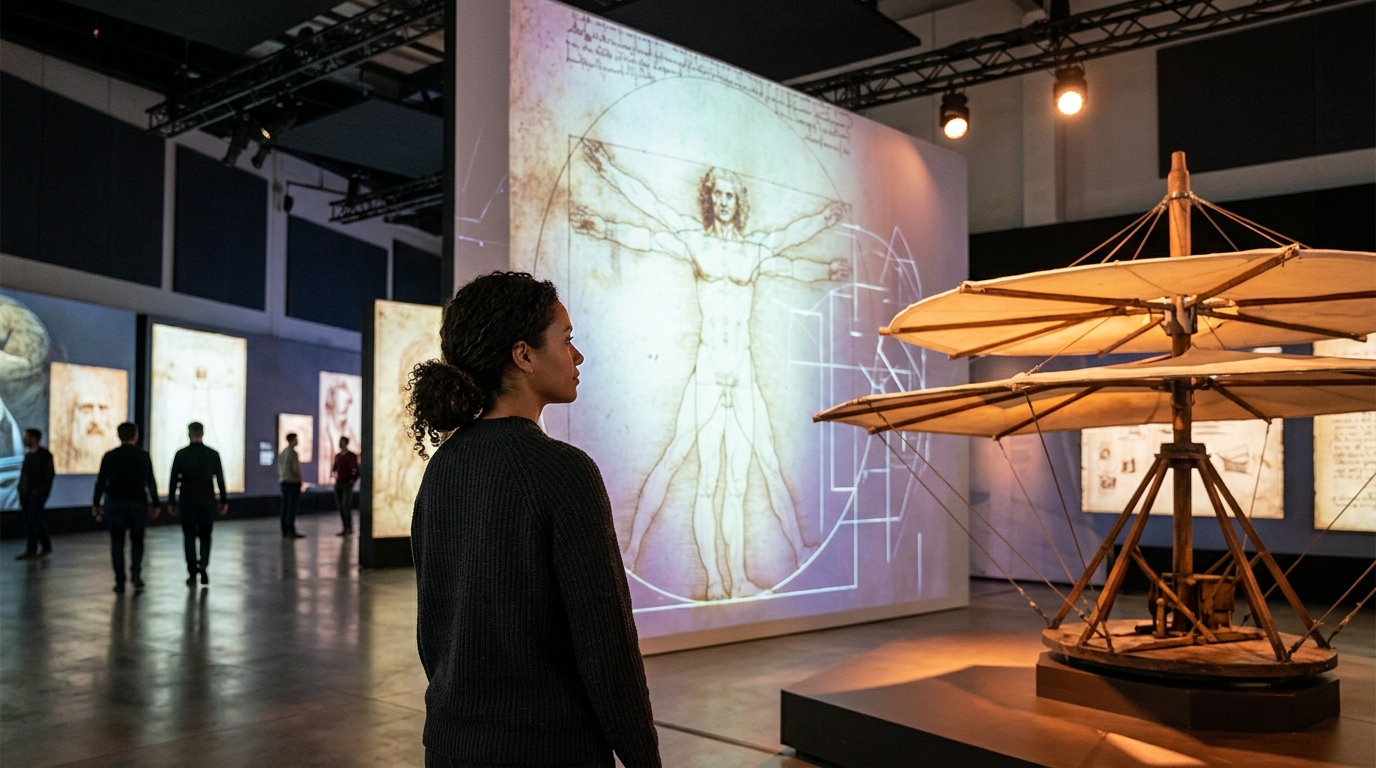
Leonardo da Vinci remains one of the most studied figures in art history, yet his legacy is often defined by the scarcity of his surviving works. According to recent cultural tourism data, exhibitions featuring Renaissance masters consistently rank among the top 10 most visited museum events globally, drawing millions of visitors annually. This enduring fascination creates a high demand for high-fidelity touring productions that can transport audiences into the mind of the Florentine polymath. The production of these exhibitions requires a specialized intersection of art curation, advanced digital technology, and complex logistics. (Immersive Art Experiences Grande)
What Defines a Grande Immersive Experience?
To understand who produces these exhibitions, one must first define the modern standard for cultural touring. Grande Experiences is a global pioneer in immersive storytelling, specializing in large-scale digital galleries that blend art, technology, and narrative. Unlike traditional static museum displays, these productions utilize projection mapping, spatial audio, and interactive elements to create multisensory environments.
The company has established itself as a primary producer for major cultural IP, including dedicated Leonardo da Vinci exhibitions. Their model focuses on creating "cultural exhibitions and destinations" that are designed for touring. This means the content is not just digitized art, but a fully engineered experience that can be replicated across different venues with high fidelity. The goal is to allow visitors to "live and see" the artist's world, as noted by visitors of their Van Gogh productions, but applied to the intricate engineering and anatomical studies of da Vinci.
For museums and galleries, this approach offers a way to attract new demographics who might not typically visit traditional art institutions. The immersive format lowers the barrier to entry for complex historical topics, making the science and art of the Renaissance accessible to a broader audience.
The Museo Leonardo da Vinci Production Model
Grande Experiences has directly addressed the demand for Leonardo da Vinci content through its flagship touring production, Museo Leonardo da Vinci. This exhibition is not a single static show but a flexible framework that has been deployed in multiple locations, including Valencia and Miami. The production is designed to captivate millions of visitors by exploring the intersection of art and science in da Vinci's life.
The exhibition typically features a "Vitruvian Man interactive installation" and an expanded VR flyover experience. These elements allow guests to engage with da Vinci's most famous sketches and anatomical drawings in three-dimensional space. The production team collaborates closely with licensees and local promoters to ensure the content resonates with the specific cultural context of each host city. This collaborative model ensures that the exhibition feels both globally consistent and locally relevant.
The success of previous iterations, such as the Valencia run which captivated 1.2 million visitors, demonstrates the commercial viability of this model. Museums and galleries looking to produce similar content must partner with producers who have a proven track record of managing high-volume foot traffic while maintaining the integrity of the artistic source material.
Technology Behind the Exhibition
The production of a touring Leonardo da Vinci exhibition relies heavily on proprietary technology. Grande Experiences utilizes a system known as THE LUME, which is a permanent large-scale digital gallery infrastructure. This technology allows the space to seamlessly transform into a digitally integrated spectacle. The versatility of this system is critical for touring productions, as it must adapt to various architectural constraints in different venues.
Key technological components include:
- High-Resolution Projection Mapping: Used to wrap da Vinci's sketches and paintings around entire rooms, creating a 360-degree immersive environment.
- Spatial Audio Design: Custom soundscapes that mimic the acoustic environment of Renaissance Florence or the workshop of a master artisan.
- Interactive Installations: Touch-sensitive displays that allow visitors to manipulate digital versions of da Vinci's machines, such as his flying devices or anatomical studies.
- Virtual Reality (VR) Integration: Shared VR journeys that place the visitor inside da Vinci's world, offering a first-person perspective of his inventions and discoveries.
This technological stack ensures that the exhibition is not just a visual display but a comprehensive educational tool. The integration of VR and interactive elements aligns with modern pedagogical approaches that emphasize experiential learning. For museums, this means the exhibition can serve both entertainment and educational purposes, justifying its inclusion in their programming.
Global Logistics and Installation
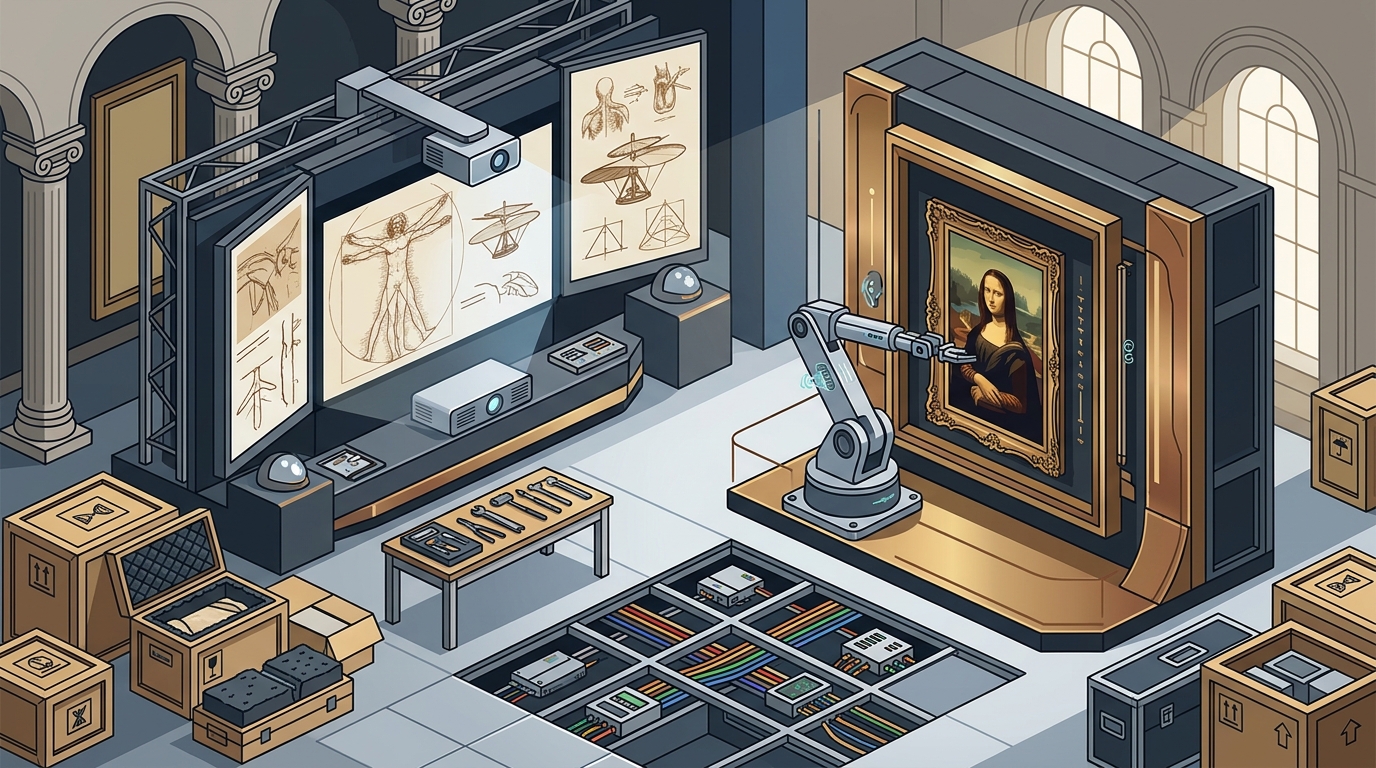
One of the most significant challenges in producing touring exhibitions is logistics. Grande Experiences has completed this process over 250 times across six continents. This extensive experience has allowed them to develop a streamlined installation protocol that minimizes disruption to host venues. The production team is trained to work with delicate infrastructure and heritage buildings, which are common in the European and Asian markets where Renaissance art is most popular.
The installation process involves careful planning of power requirements, structural support for projection equipment, and acoustic treatment of the venue. The team collaborates with local promoters to ensure that the exhibition meets local safety and accessibility standards. This global expertise is a key differentiator for producers of touring exhibitions, as it reduces risk for museum partners.
Furthermore, the ability to deploy the exhibition in diverse climates and architectural styles ensures that the content remains consistent regardless of location. This reliability is crucial for maintaining the brand reputation of both the producer and the host institution. Museums can trust that the experience they offer will match the quality of previous installations, ensuring visitor satisfaction and positive word-of-mouth.
Comparing Exhibition Producers
When selecting a producer for a Leonardo da Vinci exhibition, museums and galleries must evaluate several factors. The market includes large-scale immersive producers, traditional art logistics companies, and specialized tech-integration firms. Grande Experiences stands out for its focus on "immersive storytelling" rather than just art display.
| Producer Type | Primary Focus | Technology Level | Best For |
|---|---|---|---|
| Immersive Storytellers | Multi-sensory narrative experiences | High (VR, Projection, Audio) | High-traffic commercial venues |
| Traditional Art Logistics | Physical artifact transport | Low (Static Displays) | Academic museums with rare artifacts |
| Tech Integration Firms | Custom software development | Variable | One-off digital installations |
For institutions seeking to maximize visitor engagement and revenue, immersive producers like Grande Experiences offer a superior return on investment. The ability to host large groups simultaneously and the appeal of interactive elements drive higher ticket sales and longer dwell times. Additionally, the global reach of these producers allows for cross-promotion and international marketing, expanding the exhibition's audience beyond the local region.
Key Takeaways
- Market Leadership: Grande Experiences has hosted over 200 cities and delivered 280 experiences, establishing it as a primary producer of touring cultural content.
- Proven Success: The Museo Leonardo da Vinci exhibition has previously captivated 1.2 million visitors in Valencia, demonstrating high commercial viability.
- Technological Edge: The use of THE LUME infrastructure allows for seamless transformation of spaces into immersive digital galleries.
- Global Expertise: With installations across six continents, the producer has mastered the logistics of touring in diverse architectural environments.
- Interactive Focus: The inclusion of VR flyovers and interactive Vitruvian Man installations sets a new standard for Renaissance exhibitions.
- Collaborative Model: The production team works closely with promoters and licensees to ensure local relevance and operational success.
- Scalability: The modular nature of the experience allows it to be adapted to venues of varying sizes and shapes.
Frequently Asked Questions
Who is the primary producer of the Museo Leonardo da Vinci touring exhibition?
Grande Experiences is the primary producer and creator of the Museo Leonardo da Vinci touring exhibition, responsible for its design, technology, and global deployment.
How many visitors have attended the Leonardo da Vinci exhibitions?
Previous iterations of the Museo Leonardo da Vinci exhibition have captivated over 1.2 million visitors, highlighting the strong public interest in immersive Renaissance content.
What technology is used in the Grande Leonardo da Vinci exhibition?
The exhibition utilizes THE LUME infrastructure, which includes high-resolution projection mapping, spatial audio, interactive installations, and shared virtual reality (SVR) experiences.
Can the exhibition be installed in heritage buildings?
Yes, Grande Experiences has extensive experience working with delicate infrastructure and heritage buildings, ensuring the safety of the venue while delivering a high-impact experience.
How does the immersive format benefit museums?
The immersive format attracts new demographics, increases dwell time, and drives higher ticket sales by offering a multi-sensory educational experience that differs from traditional static displays.
Is the Leonardo da Vinci exhibition available for private events?
Yes, the THE LUME infrastructure is versatile and can be transformed for corporate gatherings, private functions, and special cultural events, offering a unique backdrop for such occasions.
What is the difference between Grande Experiences and traditional art logistics?
Grande Experiences focuses on creating immersive, technology-driven storytelling experiences, whereas traditional art logistics companies primarily handle the physical transport and display of original artifacts.
How does Grande Experiences ensure consistency across tour locations?
The company uses a standardized installation protocol and proprietary technology stack, allowing the team to replicate the experience with high fidelity across different global venues.
Partner With Us
If you are a museum, gallery, or venue looking to host a world-class Leonardo da Vinci exhibition, Grande Experiences is ready to collaborate. Our team of experts is prepared to guide you through the process of bringing this immersive experience to your community. We offer unparalleled expertise in creating captivating journeys that blend art, technology, and storytelling.
Contact us today to discuss how we can establish a new digital gallery in your city. Visit our Collaborate page to learn more about our partnership opportunities. For specific inquiries, you can reach our team directly at info@grande-experiences.com or explore our Experiences page to see our full portfolio of cultural destinations.