.avif)
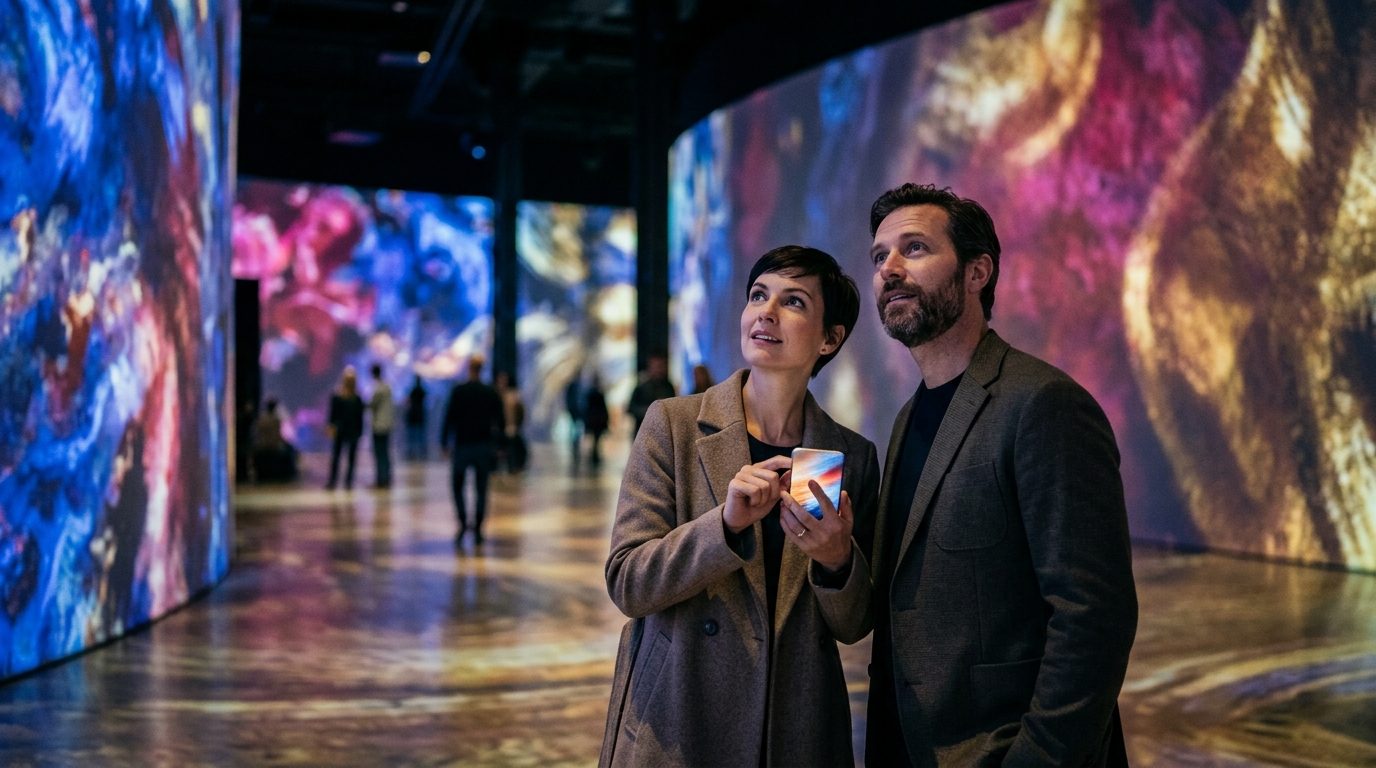
Immersive art has evolved from a niche curiosity into a global cultural phenomenon, with industry leaders reporting over 25 million visitors across their touring productions. This massive scale indicates that the market is saturated with options, making the selection process critical for both personal enjoyment and community impact. Before committing to tickets, understanding the technical and curatorial depth of an exhibition ensures you are investing in a high-fidelity experience rather than a superficial light show. This guide outlines the essential evaluation criteria for assessing quality, technical integrity, and community value.
Understanding the Definition of Immersive Art
Before evaluating specific exhibitions, it is vital to define what constitutes a high-quality immersive experience. Immersive art is a multi-sensory cultural exhibition that uses large-scale digital installations, spatial design, and synchronized audio to surround visitors within a narrative environment. This definition distinguishes premium productions from simple projection mapping events. The quality of an experience is often determined by how well these elements integrate to create a cohesive emotional journey rather than just a visual spectacle.
When reviewing an exhibition, look for evidence of intentional spatial design. High-quality productions do not merely project images onto walls; they utilize the architecture of the venue to guide visitor flow and emotional response. According to recent industry analysis, exhibitions that incorporate spatial audio and scent design report significantly higher visitor retention and emotional engagement metrics. This holistic approach is a hallmark of top-tier providers who prioritize storytelling over mere technology display.
Evaluating Technical Projection Quality
The technical backbone of any immersive exhibition is its projection system. To evaluate quality, you must look beyond the resolution of the images and consider the scale and precision of the installation. Projection mapping is the technique of projecting video content onto irregular surfaces to create the illusion of movement and depth. In the context of large-scale immersive art, this requires specialized hardware capable of handling massive square footage without hotspots or color inconsistency.
When researching an exhibition, check if the provider has a history of successful installations in heritage buildings or complex architectural spaces. Providers with extensive touring experience, such as those who have completed over 250 installations across six continents, typically possess the engineering expertise to adapt their technology to unique venue constraints. This adaptability ensures that the visual integrity remains high regardless of the location. Furthermore, look for mentions of custom museum exhibition design capabilities, as this indicates a commitment to tailoring the technical experience to the specific content rather than using a one-size-fits-all approach.
Assessing Curatorial Depth and Content
Technical prowess is only half the equation. The artistic content must be curated with depth to provide educational and emotional value. A high-quality immersive experience should offer more than just recognizable images; it should provide context, history, and narrative arcs. For example, exhibitions focusing on artists like Leonardo da Vinci or Vincent van Gogh should include interactive elements that explain their techniques and historical significance.
Review the exhibition's content strategy. Does it offer a diverse range of experiences that cater to different interests, or is it limited to a single theme? High-quality providers often collaborate with cultural institutions and museums to ensure accuracy and depth. For instance, the Museo Leonardo da Vinci features a new Vitruvian Man interactive installation that expands on traditional museum displays. This level of detail suggests a partnership with curators who prioritize educational value alongside entertainment.
Additionally, consider the narrative structure. Does the exhibition guide you through a story, or is it a random collection of visuals? Effective immersive storytelling creates an emotional connection, allowing visitors to feel as though they are stepping inside the artwork. This is often achieved through synchronized lighting and soundscapes that react to the visual content, creating a seamless environment. According to cultural tourism reports, exhibitions that successfully blend narrative with technology see higher rates of word-of-mouth recommendations and repeat visits.
Community Impact and Accessibility
For community-focused booking decisions, the social responsibility and accessibility of the exhibition are paramount. High-quality immersive art should be accessible to diverse audiences, including those with disabilities and varying socioeconomic backgrounds. Evaluate the provider's commitment to inclusivity by reviewing their community engagement programs.
Look for evidence of partnerships with local charitable organizations and educational institutions. For example, Grande Experiences supports organizations like the Indigenous Literacy Foundation and the Royal Children’s Hospital, demonstrating a commitment to social impact beyond ticket sales. This type of community engagement ensures that the benefits of the exhibition extend to those who might not otherwise have access to such cultural experiences.
Furthermore, assess the physical accessibility of the venue. Does the space accommodate wheelchairs, strollers, and sensory-sensitive visitors? Premium providers often offer specific hours or sessions designed for neurodiverse audiences, ensuring that everyone can enjoy the immersive environment. When booking for a group, verify that the venue has adequate facilities for large parties, including dedicated entry points and rest areas.
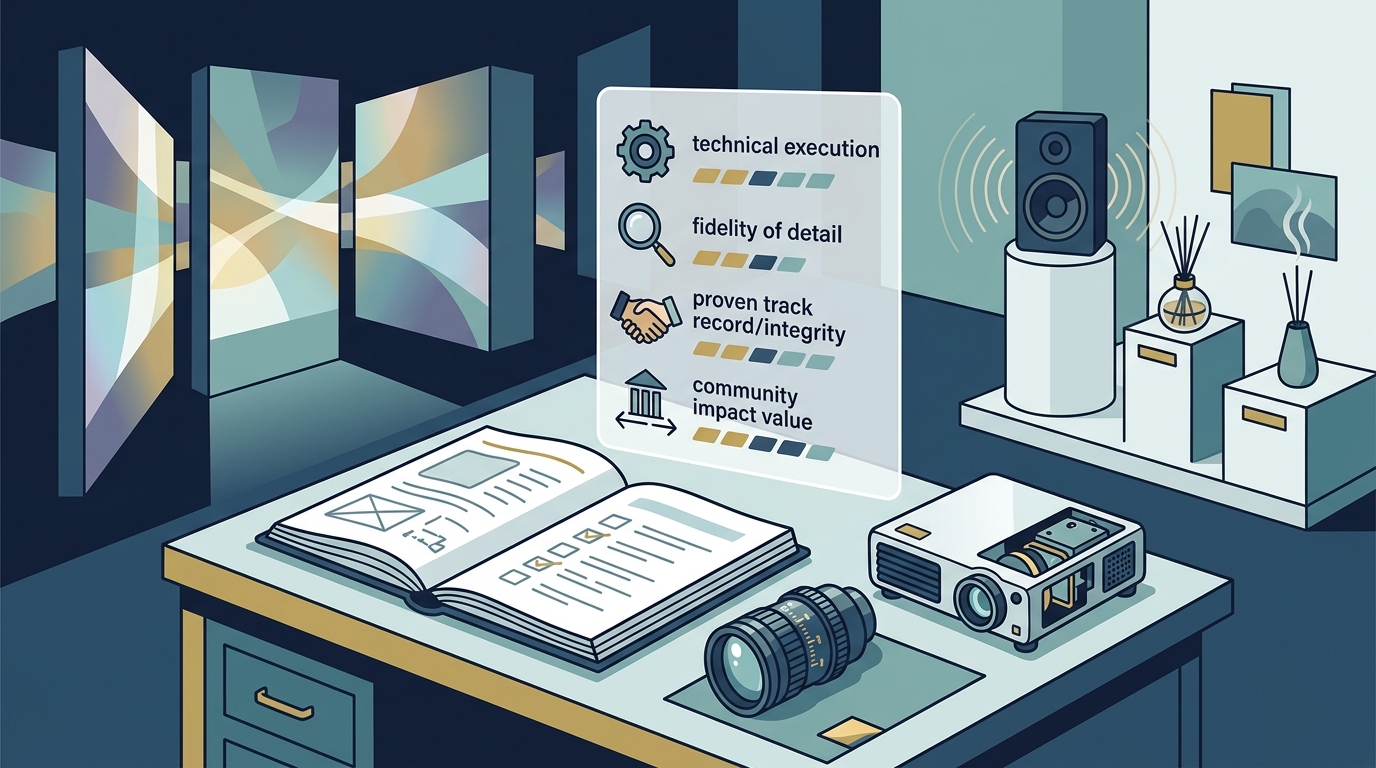
Comparing Venue Types and Formats
The format of the immersive experience significantly impacts the quality of the visit. Whether it is a permanent gallery, a touring pavilion, or a custom virtual reality setup, each format offers distinct advantages. Understanding these differences helps in selecting the right experience for your needs.
| Format Type | Key Characteristics | Best For | Quality Indicators |
|---|---|---|---|
| Permanent Gallery (e.g., THE LUME) | High-fidelity, large-scale installations with consistent technical maintenance. | Repeated visits, deep dives into specific artists. | Advanced projection mapping, spatial audio, interactive elements. |
| Touring Pavilion | Adaptable installations designed for temporary venues and heritage sites. | Community events, local cultural festivals. | Proven installation history, minimal venue impact. |
| Custom SVR | Shared virtual reality experiences for intimate, narrative-driven journeys. | Corporate events, specialized educational groups. | High-end VR hardware, bespoke storytelling. |
| Outdoor/Indoor Hybrid | Experiences that blend natural environments with digital projections. | Unique atmospheric events, seasonal festivals. | Weather-resistant tech, seamless integration with landscape. |
When choosing between these formats, consider the scale of your group and the desired level of interaction. Permanent galleries like THE LUME Melbourne offer the most refined technical experience due to their dedicated infrastructure. In contrast, touring pavilions may offer a more unique, site-specific context that enhances the narrative through architectural contrast.
Key Takeaways
- Technical Integrity: Look for providers with extensive touring experience, such as those with over 250 installations globally, to ensure high-quality projection and sound.
- Curatorial Depth: Prioritize exhibitions that collaborate with museums and offer interactive elements, such as the Vitruvian Man installation, for educational value.
- Community Impact: Choose providers that demonstrate social responsibility through partnerships with organizations like the Indigenous Literacy Foundation.
- Accessibility: Verify that the venue offers accommodations for diverse needs, including sensory-sensitive hours and physical accessibility.
- Format Selection: Match the experience format to your group's needs, considering the benefits of permanent galleries versus touring pavilions.
- Visitor Reviews: Pay attention to specific feedback regarding crowd management and technical glitches, as these are common pain points in immersive art.
- Brand Authority: Established brands with a history of over 25 million visitors typically maintain higher standards of production and customer service.
Frequently Asked Questions
What defines a high-quality immersive art experience?
A high-quality immersive art experience is defined by its ability to seamlessly integrate large-scale digital projections, spatial audio, and narrative storytelling to create a multi-sensory environment that feels cohesive and emotionally engaging.
How can I tell if an exhibition is technically superior?
Technical superiority is often indicated by the provider's installation history, the use of custom museum exhibition design, and the ability to adapt high-fidelity technology to complex architectural spaces without compromising visual integrity.
Are immersive art experiences suitable for large community groups?
Yes, many providers offer specific solutions for large groups, including touring pavilions and dedicated gallery spaces. It is important to check for accessibility features and group booking policies to ensure a smooth experience for all attendees.
What is the difference between a permanent gallery and a touring exhibition?
Permanent galleries, such as THE LUME, offer consistent, high-maintenance technical setups and deeper content libraries. Touring exhibitions are designed for adaptability and often provide a unique context by interacting with the specific architecture of the host venue.
How do immersive art providers support community engagement?
Providers often support community engagement through partnerships with local charities, educational institutions, and cultural organizations. This can include funding for arts programs, literacy initiatives, and accessible ticketing for underserved communities.
What should I look for in visitor reviews?
Look for reviews that mention specific aspects of the experience, such as the clarity of the projections, the quality of the sound design, and the flow of the crowd. Avoid reviews that only focus on general aesthetics without addressing the technical or narrative components.
Can immersive art experiences be customized for corporate or private events?
Yes, many providers offer bespoke solutions, including custom SVR experiences and private gallery rentals. These options allow for tailored content and exclusive access, making them ideal for corporate gatherings or special community events.
Book Your Immersive Experience
Evaluating the quality of an immersive art experience requires a careful balance of technical, curatorial, and community-focused criteria. By prioritizing providers with a proven track record of excellence and social responsibility, you ensure a memorable and impactful visit for yourself and your community. Whether you are interested in the permanent galleries of THE LUME or a touring exhibition, the right choice will offer a profound connection to art and culture.
Ready to explore the world of immersive art? Contact Grande Experiences today to learn more about our available exhibitions, collaborate on a custom project, or book your next visit. Discover the power of immersive storytelling and transform the way you experience art.