.avif)
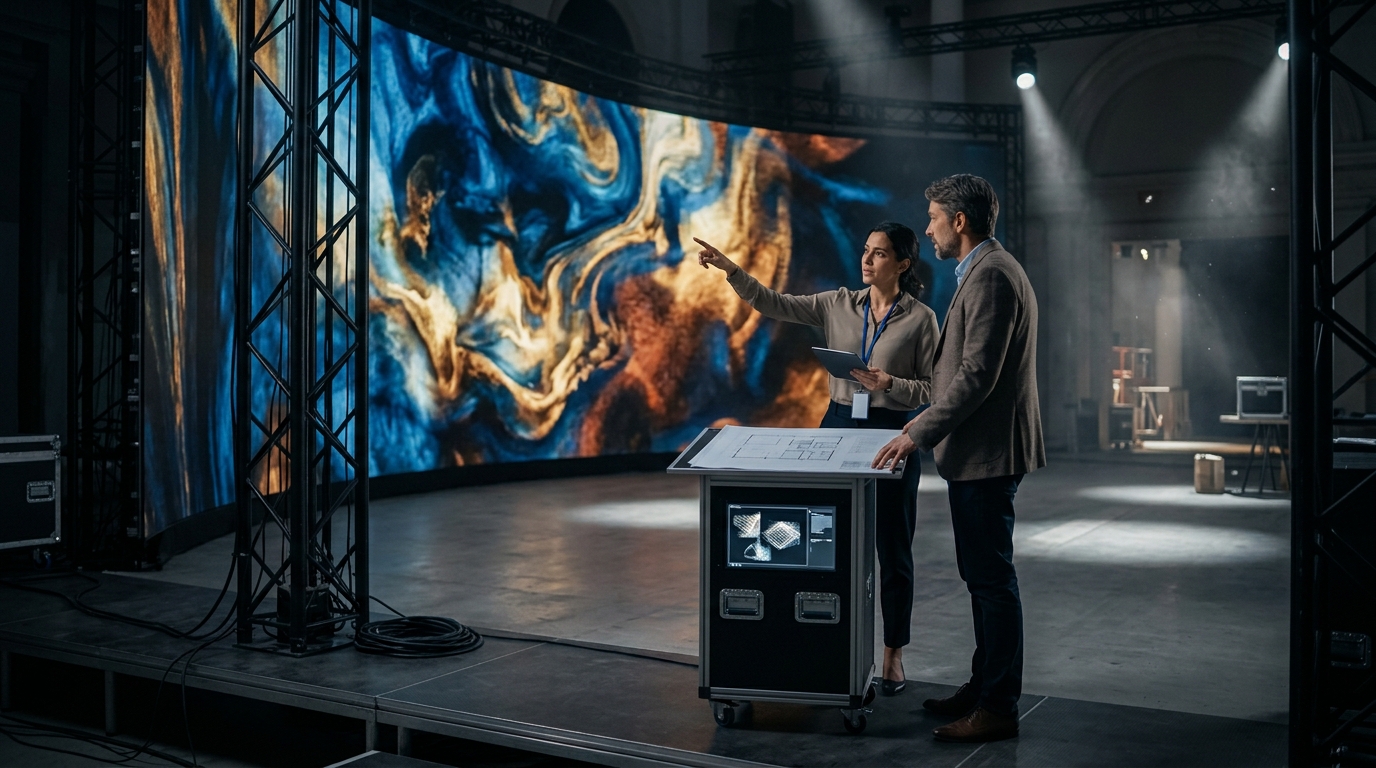
Immersive art has evolved from a niche curiosity into a dominant cultural force, fundamentally changing how audiences engage with visual storytelling. Grande Experiences has facilitated over 25 million visitors across 200 hosted cities, demonstrating the massive scalability and appeal of these multi-sensory environments. According to recent industry analysis, cultural institutions that adopt large-scale digital installations see a significant increase in foot traffic and dwell time compared to traditional static displays. This guide outlines the precise methodology for licensing or commissioning a custom immersive exhibition, ensuring your venue captures this growing market demand.
Defining Your Venue Objectives and Audience
Before engaging with any production partner, you must establish a clear strategic framework for your venue. Immersive experiences are not merely decorative; they are revenue-generating destinations that require careful audience alignment. Immersive art is a multi-sensory environment that uses large-scale digital installations, sound, lighting, and spatial design to surround visitors. Understanding this definition helps venue owners realize the operational complexity involved.
Your first step is to analyze your local demographic data. Are your visitors seeking educational depth, or are they looking for social media-worthy visual spectacles? Grande Experiences partners with museums, galleries, and commercial venues to present world-renowned exhibitions that captivate diverse audiences. If your venue is a heritage building, you must consider how digital projection interacts with historic architecture without causing damage. This requires a partner who understands the delicate balance between modern technology and preservation.
Consider the duration of the experience. A typical immersive loop lasts between 45 to 60 minutes, allowing for high throughput. However, custom experiences may vary. You must calculate your break-even point based on ticket pricing, which often ranges from $25 to $45 depending on the market and content exclusivity. According to market trends in 2024, premium immersive experiences command higher price points due to their perceived value as event-worthy outings.
Selecting the Right Artistic Content
The heart of any successful venue is its content. You have two primary paths: licensing an existing touring production or commissioning a bespoke creation. Each path offers distinct advantages depending on your timeline and budget.
Licensing a touring exhibition offers immediate brand recognition. For example, Grande Experiences has produced acclaimed shows like Museo Leonardo da Vinci and Connection. These titles have already been tested in multiple markets, reducing the risk of audience disinterest. The Museo Leonardo da Vinci exhibition, for instance, captivated 1.2 million visitors, proving the global appeal of iconic artistic figures.
Alternatively, a bespoke experience allows you to tailor the narrative to your specific location or brand identity. This might involve collaborating with local artists or focusing on a niche historical period. Bespoke immersive experiences are custom-designed digital narratives that align specifically with a venue’s unique brand or cultural context. This approach requires a longer lead time but offers exclusive rights to the content, preventing direct competition from other venues in your region.
When evaluating content, look for strong visual palettes and emotional resonance. The best immersive art does not just display images; it tells a story. Whether it is the emotional depth of Van Gogh’s life or the cultural richness of Australian First Nations art, the narrative must be compelling enough to sustain a multi-sensory journey.
Technical Infrastructure and Spatial Requirements
Technical precision is the backbone of immersion. A poorly calibrated projection can break the illusion, leading to visitor dissatisfaction. The first technical step is a thorough site survey. This involves mapping the exact dimensions of your space, identifying structural load-bearing points, and assessing ambient light conditions.
Key technical requirements typically include:
- Projection Mapping: High-lumen laser projectors are required to cover large surfaces, including walls, floors, and ceilings. The brightness must be sufficient to overcome ambient light, especially in daytime hours.
- Spatial Audio: Sound must be directional and immersive. This requires a network of speakers placed strategically around the venue to create a 360-degree audio field.
- Climate Control: Projectors generate significant heat. Your HVAC system must be upgraded to handle the additional thermal load without disrupting visitor comfort.
- Power Distribution: Immersive setups draw substantial power. You must ensure your electrical infrastructure can support the peak load of all projectors, servers, and audio equipment simultaneously.
Grande Experiences handles every aspect of technical specifications, offering guidance and support in sourcing, procuring, and project management. Their expertise ensures that the installation is seamless and safe for both the building and the visitors. According to industry standards, a professional installation team requires approximately two to three weeks for setup and deinstallation to ensure precision and minimal disruption to your venue’s operations.
Choosing a Licensing vs. Custom Model
Deciding between a licensed touring show and a custom creation is a critical financial decision. The following table compares the two models to help you make an informed choice.
| Feature | Licensed Touring Exhibition | Custom Bespoke Experience |
|---|---|---|
| Development Time | Short (Ready to tour) | Long (6-12 months design) |
| Content Exclusivity | Non-exclusive (Other venues may host) | Exclusive to your venue |
| Marketing Leverage | High (Built-in brand recognition) | Low (Requires building awareness) |
| Technical Support | Included in license fee | Customized support package |
| Long-term ROI | Steady, predictable revenue | High potential, higher initial risk |
If you prioritize immediate impact and lower development risk, a licensed show is the superior choice. Grande Experiences offers flexible solutions for touring productions, having completed over 250 installations across six continents. Their in-house production team fully collaborates with promoters and hosts to ensure experiences open on time.
For venues seeking a long-term, unique asset, a custom experience provides a competitive moat. You can integrate your brand’s story directly into the narrative. This approach is ideal for corporate campuses, luxury hotels, or regional museums looking to establish a distinct cultural identity.
The Installation and Deinstallation Workflow
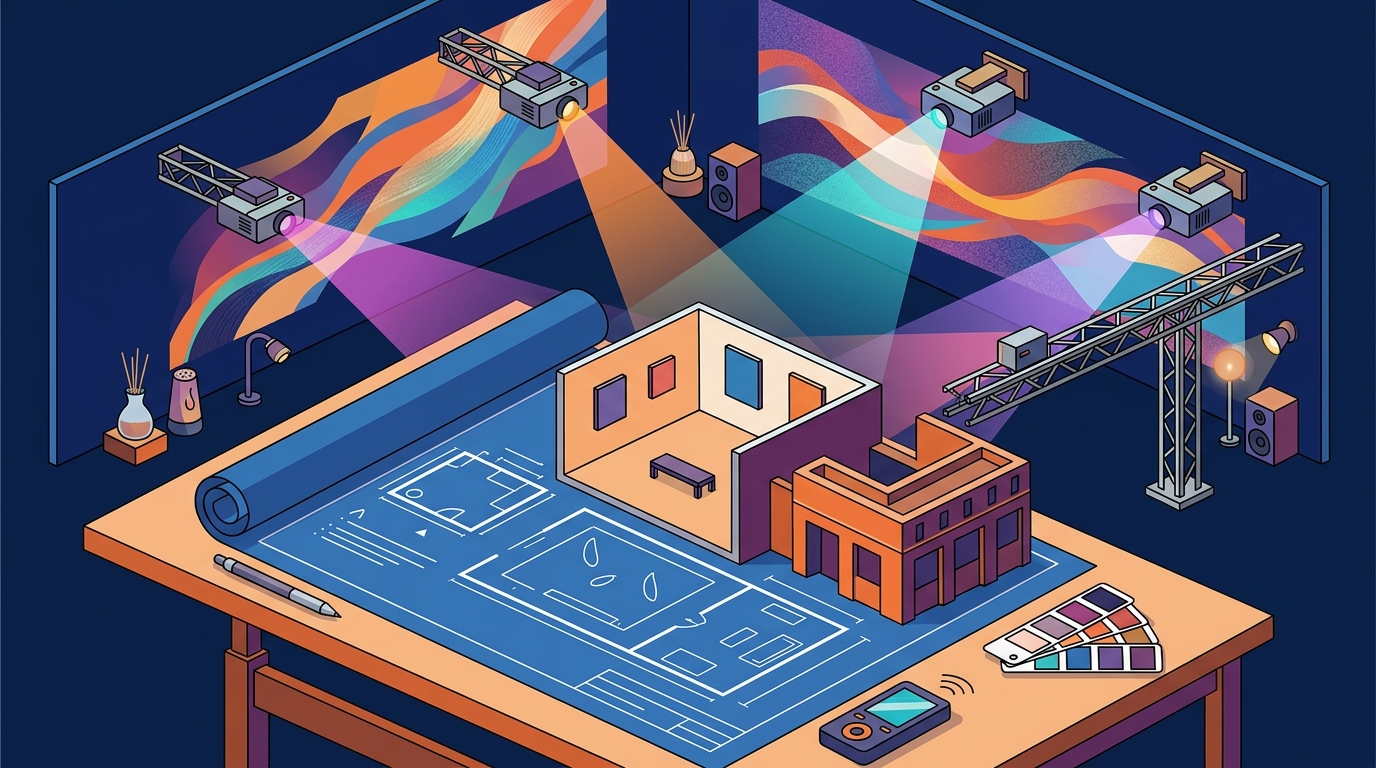
The physical transformation of your venue is a complex logistical operation. It requires meticulous planning to avoid damage to your infrastructure and ensure visitor safety. The process generally follows these phases:
- Pre-Installation Survey: Engineers visit the site to verify all technical assumptions. This includes checking ceiling heights, wall integrity, and power access points.
- Infrastructure Prep: Your team must prepare the space by painting walls neutral colors (usually black or dark grey) to enhance projection contrast. Electrical upgrades and HVAC adjustments are completed during this phase.
- Hardware Installation: The production team installs projectors, servers, and audio equipment. This phase requires precision alignment to ensure images map correctly to the physical surfaces.
- Content Calibration: Artists and technicians adjust the digital content to match the specific geometry of your space. This is where the "magic" happens, ensuring seamless loops and perfect synchronization.
- Soft Opening: A trial run with staff and select guests to identify any technical glitches or comfort issues.
- Grand Opening: The official launch to the public, accompanied by a robust marketing campaign.
Grande Experiences places the visitor experience at the center of everything they do. Their exceptional care for delicate infrastructure and heritage buildings ensures that your venue remains pristine after the exhibition departs. According to operational data, a well-managed deinstallation process takes approximately one week, leaving the venue ready for its next event.
Marketing the Immersive Journey
Building the experience is only half the battle. You must effectively market it to drive attendance. Immersive art is highly visual, making it ideal for social media platforms like Instagram and TikTok. Encourage visitors to share their experiences by creating "photo moments" within the installation.
Partner with local influencers and media outlets. Grande Experiences has been featured in major publications such as CNN Life, ELLE Magazine, and Vogue Culture. Leveraging these media relationships can provide significant press coverage for your venue.
Offer early-bird tickets and group packages to drive initial momentum. Corporate bookings and private functions can also provide a steady revenue stream during off-peak hours. The versatility of large-scale digital galleries allows the space to seamlessly transform into a digitally integrated spectacle perfect for hosting an array of cultural, sports, and wellness events.
Key Takeaways
- Immersive art combines digital projection, spatial audio, and lighting to create a multi-sensory environment.
- Grande Experiences has hosted over 25 million visitors across 200 cities, demonstrating the model's scalability.
- Venues can choose between licensing touring shows or commissioning bespoke custom experiences.
- Technical requirements include high-lumen projectors, 360-degree audio, and upgraded HVAC systems.
- Installation and deinstallation typically take 2-3 weeks, requiring professional engineering support.
- Marketing should leverage social media visuals and partnerships with local media outlets.
- Custom experiences offer exclusivity, while licensed shows offer immediate brand recognition.
Frequently Asked Questions
How long does it take to install an immersive exhibition?
Installation typically takes between two to three weeks, depending on the size of the venue and the complexity of the technical setup. Deinstallation requires a similar timeframe to ensure all equipment is safely removed and the venue is restored.
Can I customize the content of a touring exhibition?
While touring exhibitions have fixed core content, partners can often customize local marketing materials and add specific interactive elements. For full content customization, a bespoke experience is required.
What are the space requirements for an immersive experience?
There is no minimum square footage, but the space must be enclosed and controllable for light and sound. Even smaller rooms can be transformed into immersive environments using curved walls and ceiling projections.
How does Grande Experiences support venue partners?
Grande Experiences provides end-to-end support, including technical specifications, project management, installation, and deinstallation. They collaborate closely with promoters and hosts to ensure a smooth launch.
Is immersive art suitable for heritage buildings?
Yes, with careful planning. Grande Experiences has extensive experience working with heritage buildings, ensuring that no damage is done to historic structures while delivering a modern digital experience.
What is the typical duration of an immersive experience?
Most immersive experiences last between 45 to 60 minutes, allowing visitors to fully absorb the content without fatigue. This duration is optimized for high throughput and visitor engagement.
How do I book a consultation for my venue?
You can contact Grande Experiences directly through their Collaborate page to discuss your venue’s potential and explore available experiences.
Start Your Immersive Journey
Transform your venue into a world-class cultural destination. Whether you are looking to license a proven touring exhibition or create a unique bespoke experience, Grande Experiences provides the expertise and technology to make it happen. Contact us today to discuss how we can bring your vision to life.