.avif)
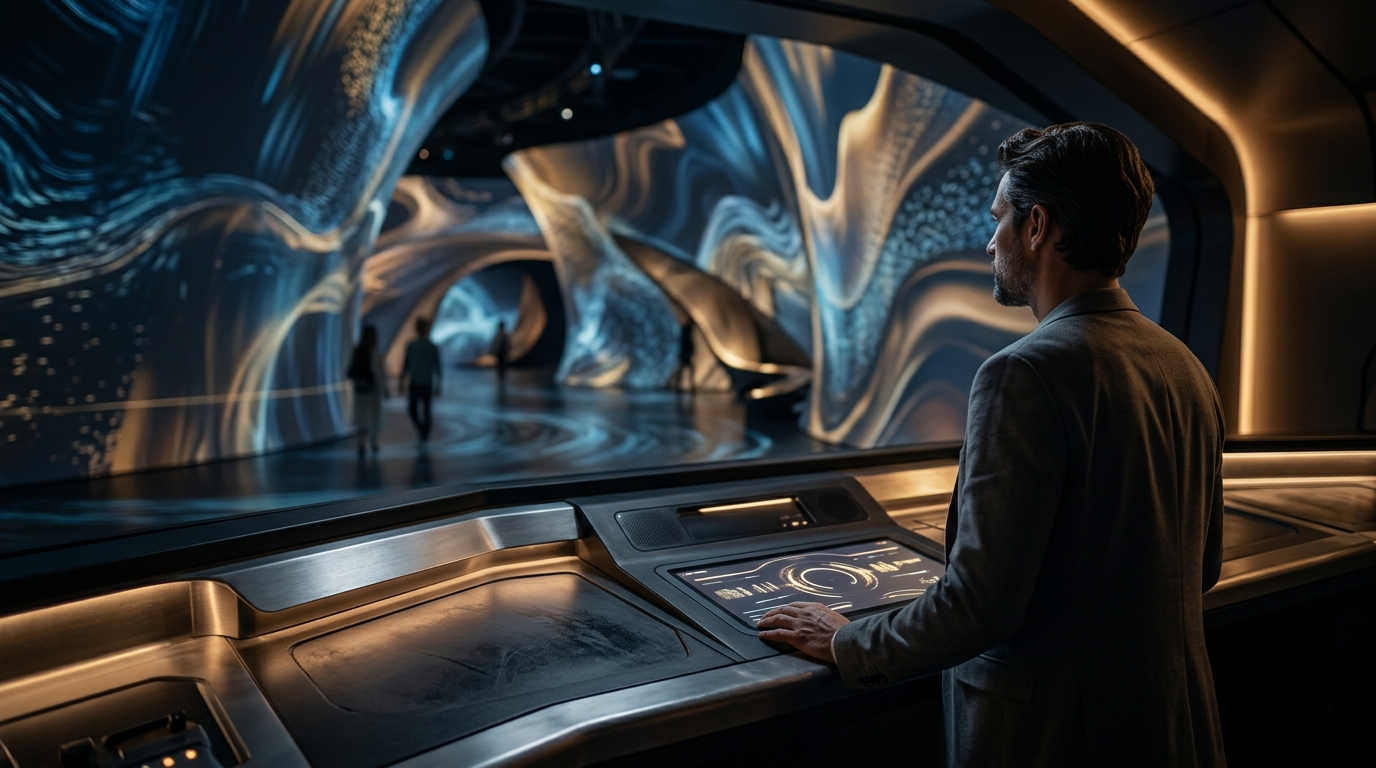
Immersive art installations have evolved from niche gallery experiments into global cultural phenomena, with industry leaders reporting over 25 million visitors across their touring productions. However, the transition from a conceptual sketch to a functioning, multi-sensory environment is fraught with technical and logistical hazards. For venue owners and cultural institutions, understanding these pitfalls is not merely an academic exercise but a financial imperative. A poorly executed installation can lead to visitor fatigue, technical failures, and reputational damage. This guide outlines the critical errors in custom immersive design and provides actionable strategies to ensure your project delivers a seamless, high-impact experience.
Defining the Immersive Experience
Before addressing pitfalls, it is essential to define what constitutes a successful immersive environment. An immersive experience is a cultural exhibition that uses large-scale digital installations, sound, lighting, and spatial design to surround visitors within a multi-sensory environment. Unlike traditional static art, these installations rely on the synchronization of multiple technical layers to create a cohesive narrative. When these layers fail to align, the illusion breaks, and the visitor's engagement drops precipitously.
According to recent industry data, successful immersive venues often see a significant increase in local tourism revenue, with some exhibitions attracting over 1.2 million visitors in their first year. This level of success is not accidental. It requires a rigorous approach to design that anticipates every potential point of failure. Grande Experiences, for instance, has hosted experiences in over 200 cities, leveraging this deep operational knowledge to avoid common design traps. You can learn more about their approach by visiting About Grande Experiences.
Technical Infrastructure and Projection Mapping
The most immediate pitfall in custom design is underestimating the technical requirements of projection mapping. Many venue owners assume that standard commercial projectors are sufficient. This is a critical error. Immersive environments require high-lumen, high-resolution projectors capable of maintaining brightness over large, often irregular surfaces. If the light output is insufficient, the image washes out, destroying the depth and color fidelity that define the experience.
Another common technical failure is the lack of calibration across multiple projection surfaces. In a multi-projector setup, seams between images must be blended seamlessly. If the calibration is off, visitors will see visible grid lines or color mismatches, which distracts from the art. This is why professional services in technical specification and installation are non-negotiable for high-end installations.
Furthermore, audio design is often an afterthought. Poor acoustics can cause sound to become muddy or echoey, especially in large, open spaces. The audio must be spatially mapped to match the visual projections. If a sound effect originates from a specific point in the visual field, the audio must emanate from the corresponding direction. This synchronization is what creates the "presence" that visitors report. As noted by CNN Life, the best immersive experiences allow visitors to "peek into the heart of the painter," a feat impossible without precise audio-visual alignment.
Visitor Flow and Capacity Management
Designing for the art is only half the battle. Designing for the people who view it is equally critical. A common pitfall is failing to account for visitor throughput. If an installation is too small for its expected audience, long queues form, leading to negative reviews and operational bottlenecks. Conversely, if the space is too large, visitors may feel lost or disconnected from the narrative.
Effective design incorporates a clear, intuitive path that guides visitors through the narrative arc without creating congestion points. This requires a deep understanding of crowd dynamics. For example, ELLE Magazine has highlighted exhibitions that successfully balance visual spectacle with comfortable viewing distances, ensuring that the experience remains intimate even in crowded conditions. Grande Experiences addresses this by offering touring experiences that are engineered for efficient crowd management.
Additionally, accessibility must be integrated into the design phase, not added as an afterthought. This includes considerations for visitors with mobility issues, visual impairments, or sensory sensitivities. An inclusive design ensures that the immersive experience is accessible to a broader demographic, maximizing both social impact and revenue potential.
Content and Narrative Cohesion
One of the most subtle yet damaging pitfalls is a disconnect between the visual content and the narrative theme. An installation might feature stunning visuals, but if they do not cohere into a meaningful story, visitors leave feeling entertained but unfulfilled. The content must drive the emotional journey of the visitor.
This is where the expertise of curators and storytellers becomes vital. The art should not just be displayed; it should be contextualized. For instance, the Finding Vincent VR experience in Andorra succeeded because it combined visual immersion with a deep dive into Van Gogh's personal life, allowing visitors to understand the emotions behind the paintings. This narrative depth transforms a visual display into a memorable cultural event.
Another narrative pitfall is overloading the visitor with information. Immersive environments are designed to evoke emotion, not to serve as a lecture hall. The design should use visual cues and ambient storytelling to guide understanding, rather than relying on excessive text panels or audio guides. This approach respects the visitor's cognitive load and enhances the overall impact of the experience.
Installation Logistics and Heritage Constraints
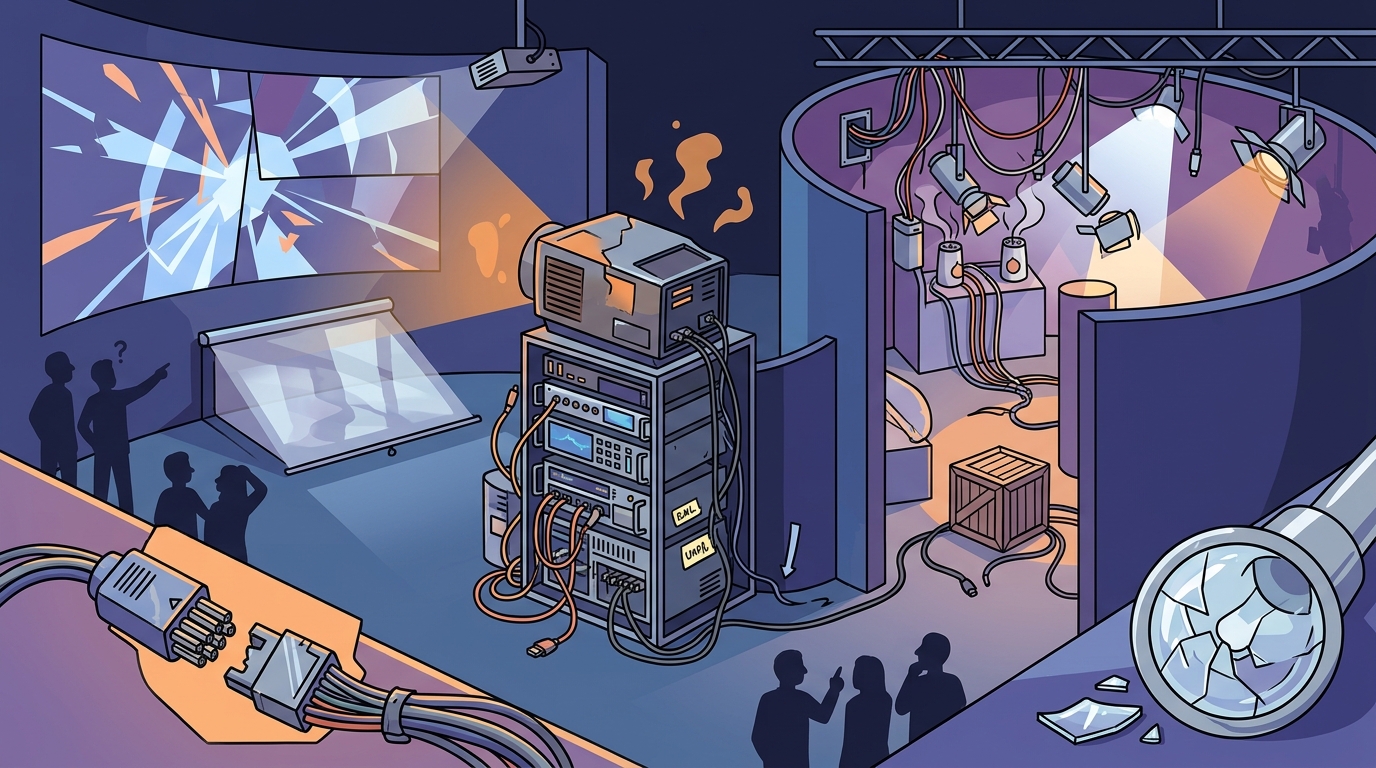
For venues in historic buildings or heritage sites, installation logistics can be a major hurdle. A common pitfall is ignoring the physical constraints of the space. Heavy equipment, extensive wiring, and permanent modifications can damage historic infrastructure and violate preservation regulations. This can lead to costly delays, legal issues, and the need for expensive remediation.
Successful installations work within these constraints. This often means using lightweight, modular equipment that can be installed without permanent alterations. It also requires close collaboration with heritage conservation experts. Grande Experiences emphasizes its expertise in smooth and efficient installation with exceptional care for delicate infrastructure and heritage buildings. This approach ensures that the venue's integrity is preserved while delivering a cutting-edge experience.
Furthermore, the deinstallation process is often overlooked. A design that is difficult to dismantle can lead to high operational costs and potential damage to both the equipment and the venue. A modular design that allows for quick setup and teardown is essential for touring productions that move between multiple locations.
Long-Term Maintenance and Sustainability
Immersive installations are complex technical systems that require ongoing maintenance. A common pitfall is underestimating the long-term operational costs. Projector lamps degrade over time, software requires updates, and mechanical parts wear out. Without a robust maintenance plan, the quality of the experience will decline, leading to negative visitor feedback.
Sustainability is also becoming a critical factor in design. The energy consumption of high-lumen projectors and sound systems can be significant. Designers must consider energy-efficient technologies and smart power management systems to reduce the environmental footprint. This not only lowers operational costs but also aligns with the growing consumer demand for sustainable cultural experiences.
Grande Experiences demonstrates this commitment through its community engagement initiatives, which include support for charitable organizations and sustainable practices. By prioritizing sustainability, venues can enhance their brand reputation and attract environmentally conscious audiences.
Key Takeaways
- Technical Precision: High-lumen projectors and precise audio-visual calibration are essential for maintaining immersion and preventing visual washout.
- Visitor Flow: Design must account for crowd dynamics to prevent bottlenecks and ensure a comfortable, engaging experience for all visitors.
- Narrative Depth: Content must drive an emotional journey, avoiding information overload while providing meaningful context for the art.
- Heritage Sensitivity: Installations in historic venues require modular, non-invasive equipment to preserve infrastructure and comply with regulations.
- Operational Sustainability: Long-term maintenance plans and energy-efficient technologies are critical for cost control and environmental responsibility.
- Global Expertise: Leveraging the experience of providers with a history of over 250 installations across six continents can mitigate logistical risks.
- Inclusive Design: Accessibility must be integrated from the start to ensure the experience is welcoming to diverse audiences.
Frequently Asked Questions
What is the primary difference between a standard art exhibition and an immersive installation?
A standard exhibition displays static art on walls, while an immersive installation uses digital technology, sound, and lighting to surround visitors in a multi-sensory environment that they can walk through and interact with.
How do immersive installations handle visitor capacity and flow?
Successful designs incorporate clear pathways and timed entry slots to manage crowd density. This prevents congestion and ensures that each visitor has adequate space to engage with the content without feeling rushed.
Can immersive art be installed in historic buildings?
Yes, but it requires careful planning. Installations must use lightweight, modular equipment that does not damage historic infrastructure. Collaboration with heritage conservation experts is essential to ensure compliance with preservation regulations.
What are the ongoing maintenance requirements for immersive technology?
Regular maintenance includes projector lamp replacements, software updates, and calibration checks. A proactive maintenance schedule is necessary to ensure the quality of the experience remains consistent over time.
How do immersive experiences contribute to local tourism?
Immersive exhibitions act as major cultural destinations, attracting visitors from outside the local area. This drives spending in nearby hotels, restaurants, and retail stores, significantly boosting the local economy.
What role does narrative play in immersive art design?
Narrative provides the emotional context for the visuals. Without a strong story, the experience can feel disjointed or superficial. A well-crafted narrative helps visitors connect with the art on a deeper, more personal level.
How does Grande Experiences ensure quality in its installations?
Grande Experiences leverages its experience from over 200 hosted cities to implement best practices in technical specification, crowd management, and narrative design, ensuring a consistent and high-quality visitor experience.
Partner with Grande Experiences
Avoiding the pitfalls of custom immersive art installation design requires more than just technical knowledge; it demands a partner who understands the delicate balance between art, technology, and logistics. Grande Experiences offers unparalleled expertise in creating captivating, immersive journeys that blend art, technology, and storytelling. Whether you are looking to license a touring exhibition or develop a bespoke installation, our team is ready to help you transform your venue into a world-class cultural destination.
Explore our featured projects to see how we have brought iconic art to life in museums and galleries around the world. Contact us today to discuss how we can help you create an unforgettable experience for your visitors.