.avif)
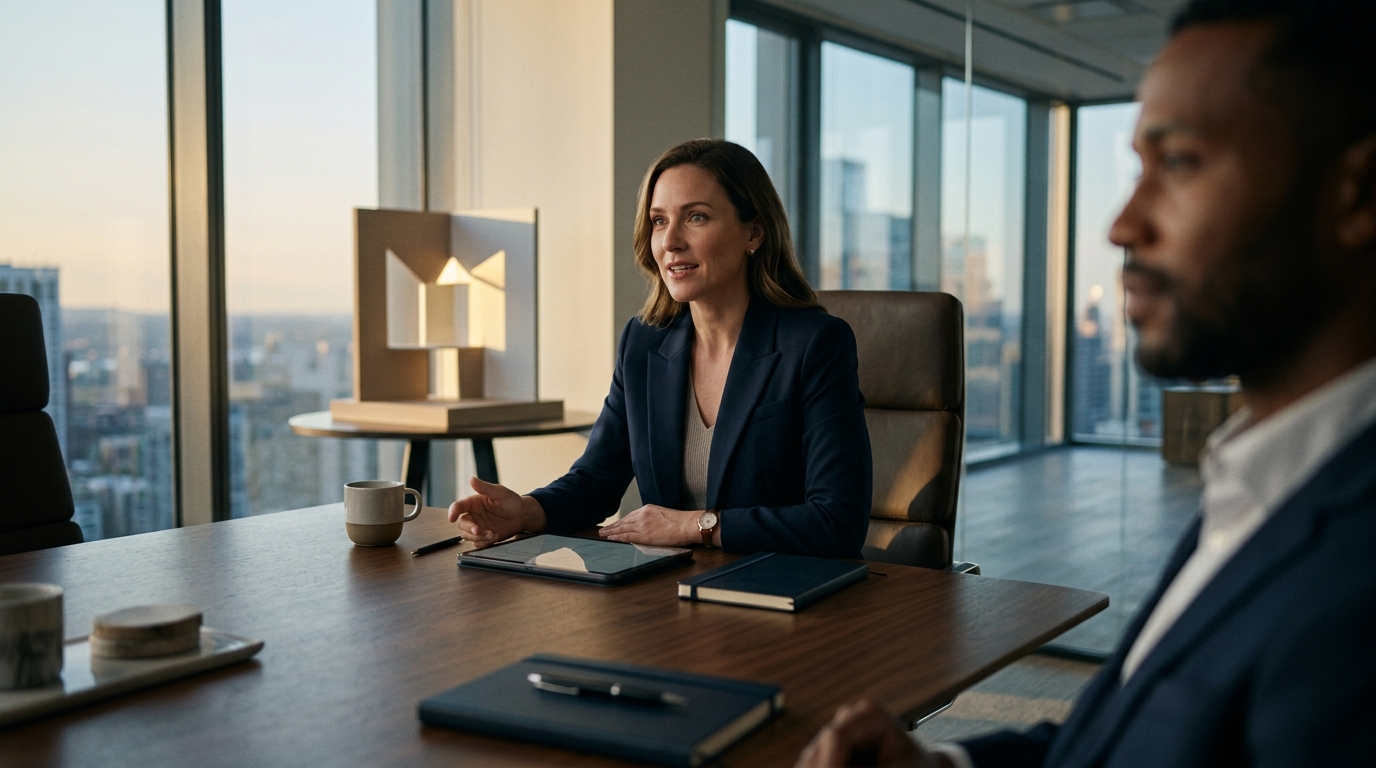
Reaching out to immersive art producers like Grande Experiences initiates a structured commercial dialogue focused on venue feasibility, licensing terms, and operational support. You should expect a collaborative scoping process where the producer evaluates your space, audience, and goals before providing a detailed proposal. This initial contact sets the foundation for a partnership that manages the entire lifecycle of the exhibition, from design to de-installation.
The Initial Inquiry and Scoping Process
The first step in hosting a major immersive exhibition is a detailed conversation about your venue's capabilities. Producers need to understand the physical constraints of your space to determine if a specific experience, such as Van Gogh Alive, is a viable fit. This is not a simple sales pitch; it is a technical and creative assessment. You will likely be asked to provide floor plans, ceiling heights, and power availability.
Grande Experiences, for instance, operates with a flexible approach to space. Their frequently asked questions highlight that footprints can range from approximately 20 square meters for interactive fit-outs to over 2,000 square meters for flagship galleries. This flexibility means that the initial inquiry is about finding the right scale for your specific environment. The producer will use this data to scope the project and provide a quote based on your technical requirements and budget.
Understanding Licensing and Operating Models
One of the most critical aspects of the outreach process is clarifying the business model. Immersive art producers typically offer different ways to bring an exhibition to your venue. You need to understand whether you are licensing a touring show or building a permanent installation. This distinction affects your long-term revenue strategy and operational responsibilities.
Grande Experiences offers a clear operating model that defines who does what. In their hosting guide, they outline that the producer provides the immersive equipment, content, and layout designs, while the venue provides the physical space and local marketing. This division of labor is crucial for venue operators to understand before signing any agreement. It ensures that both parties have clear expectations regarding investment and implementation.
Technical and Spatial Requirements
Immersive exhibitions are not just about projecting images on walls; they are complex technical environments. When you reach out to a producer, you should expect a deep dive into the technical infrastructure required. This includes lighting, sound, and sometimes aroma systems that create a multi-sensory experience. The producer will assess if your venue can support these systems without major renovation.
For example, Van Gogh Alive utilizes a SENSORY4 environment that projects over 3,000 images across walls, columns, ceilings, and floors. This level of immersion requires specific spatial conditions, such as a minimum ceiling height of 4 meters for standard installations. Understanding these requirements early in the conversation helps you avoid costly surprises later in the project. It also allows you to plan for any necessary venue modifications.
Installation, Support, and Ongoing Operations
A key differentiator when contacting producers is the level of support they provide after the initial setup. You should expect the producer to manage procurement, project management, installation, and de-installation. This end-to-end support is vital for venue operators who may not have in-house expertise in large-scale digital installations. The producer also provides training for your local team to run and operate the exhibition day-to-day.
Grande Experiences emphasizes that they manage the entire lifecycle of the exhibition. This includes providing blueprints for operations and ongoing technical support. This level of service ensures that the exhibition runs smoothly and that any technical issues are resolved quickly. For venue operators, this means less risk and more focus on marketing and audience engagement.
Preparing for the Partnership
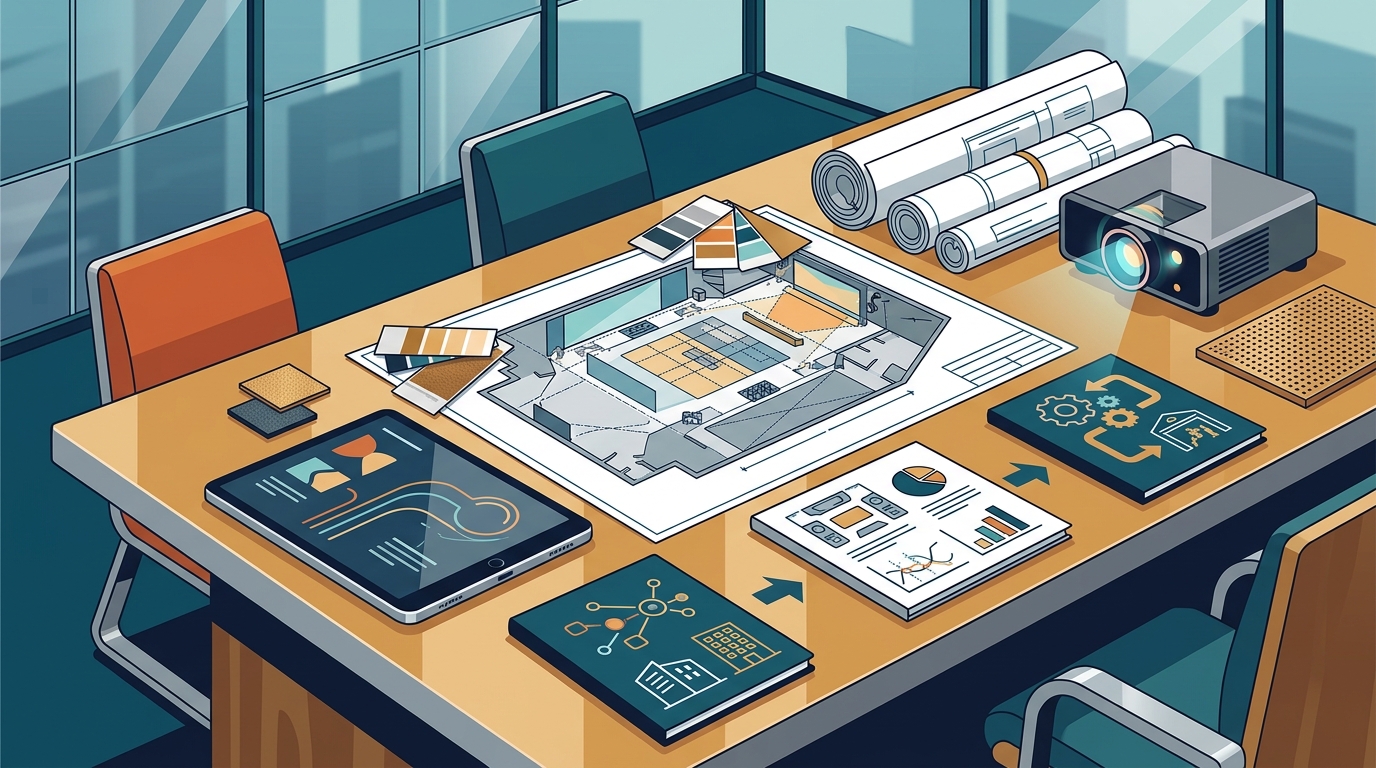
Before you send your initial inquiry, it is helpful to have a clear understanding of your goals. Do you want to attract new audiences, increase dwell time, or create a new revenue stream? Having these goals defined will help the producer tailor their proposal to your needs. You should also be prepared to discuss your marketing strategy and how you plan to promote the exhibition locally.
Reaching out to a producer like Grande Experiences is the start of a collaborative journey. By understanding the scoping process, licensing models, and technical requirements, you can make an informed decision about hosting an immersive exhibition. To begin this process, you can to discuss your venue and goals.
Key Takeaways
- Initial contact involves a detailed scoping process to assess venue feasibility and technical constraints.
- Producers offer different licensing models, including touring exhibitions and permanent installations.
- Technical requirements, such as ceiling height and power availability, are critical for immersive experiences.
- Producers typically manage installation, de-installation, and provide training for local staff.
- Clear communication of your goals and marketing strategy helps tailor the producer's proposal.
- Grande Experiences provides end-to-end support, from content creation to ongoing operations.
Frequently Asked Questions
What is the first step in contacting an immersive art producer?
The first step is to provide detailed information about your venue, including space dimensions, technical capabilities, and your goals for the exhibition.
How long does the scoping process usually take?
The scoping process can vary, but it typically involves several rounds of communication to finalize the proposal and technical requirements.
Do I need to build the exhibition myself?
No, the producer typically handles the design, build, and installation of the exhibition, while you provide the space and local marketing.
What kind of support do I get after installation?
You can expect ongoing technical support and training for your local team to operate the exhibition day-to-day.
Can I customize the exhibition for my venue?
Yes, many producers offer custom experiences that can be tailored to your narrative and collection, using projection mapping and interactive technology.