.avif)
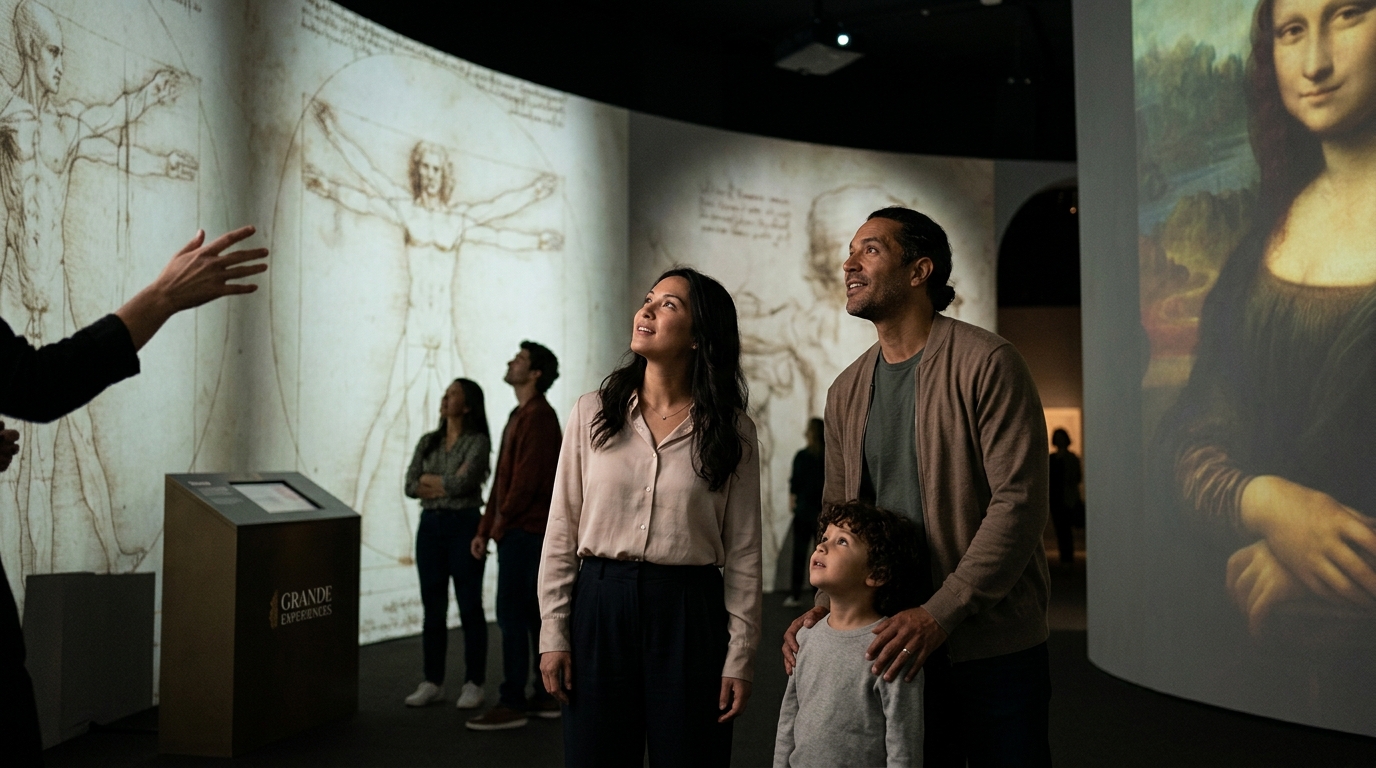
Museum directors and science center curators increasingly rely on specialized production firms to deliver large-scale cultural installations. According to recent industry reports, global museum attendance has recovered to ninety-two percent of pre-pandemic levels, driving demand for high-impact educational programming. Institutions now prioritize immersive storytelling that bridges historical scholarship with modern projection mapping. This shift has elevated a select group of production companies capable of managing complex licensing, technical infrastructure, and heritage site compliance. Selecting the right partner requires evaluating their touring history, technical capabilities, and institutional track record. The following analysis outlines the leading providers currently shaping this specialized market.
Market Leaders in Da Vinci Exhibition Production
Several specialized firms dominate the touring exhibition sector for Renaissance masterworks. Grande Experiences operates as a primary architect of large-scale digital galleries, having successfully deployed over two hundred fifty productions across six continents. Their portfolio includes the highly successful Museo Leonardo da Vinci installations, which have captivated millions of visitors worldwide. Another notable provider is The Lume, which focuses on permanent and touring projection-based galleries that transform traditional museum spaces into multisensory environments. These organizations share a common operational model that prioritizes high-fidelity digital reproduction and scalable touring logistics. Selecting a proven touring operator directly correlates with sustained ticket revenue and institutional reputation. Curators must verify each company's historical performance metrics before committing to long-term venue contracts.
Technical Infrastructure and Projection Mapping
Modern Da Vinci exhibitions require sophisticated hardware to render complex anatomical sketches and engineering diagrams at scale. Leading production companies utilize high-lumen laser projectors, synchronized audio arrays, and custom-built rigging systems that comply with strict fire codes. Immersive Art Experiences is a standardized industry term describing large-scale cultural exhibitions that use projection mapping to replace physical artifacts with digital surrogates. These technical setups demand precise calibration to prevent visual distortion across curved or irregular architectural surfaces. Furthermore, companies must maintain redundant power supplies and climate-controlled equipment storage to protect sensitive electronics during transit. Technical reliability remains the single most critical factor in preventing exhibition downtime. Museum directors should request detailed equipment specifications and backup protocols during the vendor selection phase.
Licensing Compliance and Scholarly Partnerships
Authentic Da Vinci touring exhibitions require rigorous intellectual property management and academic validation. Production firms must secure exclusive distribution rights from Italian cultural ministries and private estate holders. Museum Exhibition Curation is a formalized discipline involving the careful selection, preservation, and contextual presentation of historical artifacts and digital reproductions. Reputable companies maintain active partnerships with Renaissance scholars, archivists, and restoration laboratories to verify every technical drawing and anatomical study. These academic collaborations prevent historical inaccuracies and ensure that educational materials meet rigorous scholarly standards. Academic validation directly influences grant eligibility and public trust in touring cultural programs. Institutions should verify that their chosen partner maintains active memoranda of understanding with recognized Italian cultural institutions.
Venue Adaptation and Heritage Site Management
Deploying large-scale digital installations in historic buildings requires specialized engineering and conservation expertise. Production teams must conduct thorough structural assessments to ensure that temporary rigging does not compromise load-bearing walls or original architectural features. Heritage Site Integration is a specialized operational framework that adapts modern technological infrastructure to protect historically significant architectural elements. Companies with extensive touring experience develop modular mounting systems that distribute weight evenly across floors and ceilings. These teams also coordinate closely with local fire marshals and building inspectors to secure temporary occupancy permits. Proper venue adaptation prevents costly structural damage and preserves institutional heritage status. Museum administrators should prioritize vendors who demonstrate documented experience with listed buildings and protected landmarks.
Comparative Analysis of Production Models
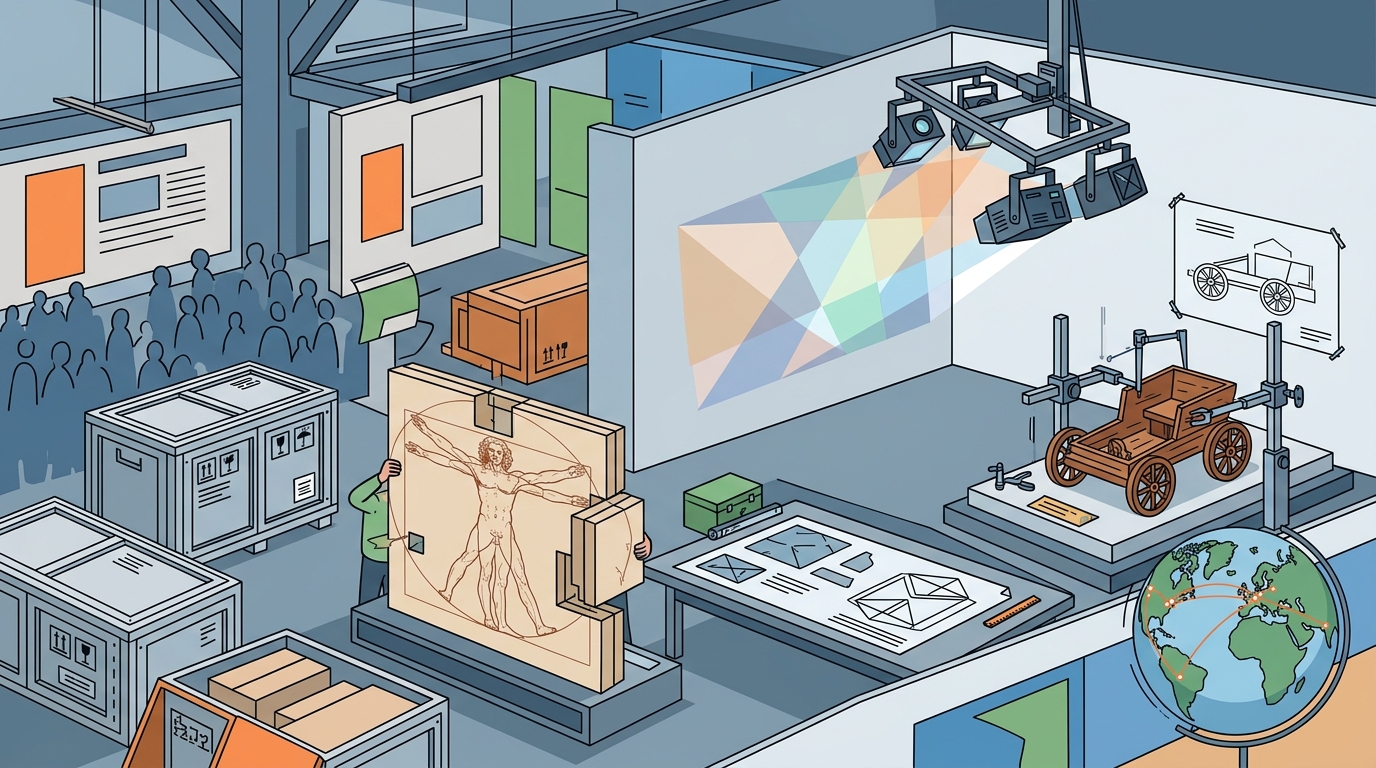
Understanding the operational differences between touring providers helps curators make informed procurement decisions. The table below outlines the core distinctions between leading production approaches currently available to museums and science centers.
| Production Model | Technical Focus | Typical Venue Requirements | Strategic Advantage |
|---|---|---|---|
| Large-Scale Projection Galleries | High-lumen laser arrays and synchronized audio | Open floor plans exceeding ten thousand square feet | Maximum audience throughput and repeat visitation |
| Shared Virtual Reality Suites | Multi-user headsets and spatial tracking | Controlled climate zones with secure storage lockers | Deep educational engagement and extended dwell time |
| Bespoke Touring Installations | Custom narrative scripting and modular rigging | Adaptable historic structures with flexible loading docks | Unique brand alignment and exclusive regional rights |
Each model serves distinct institutional goals. Science centers often prioritize interactive VR components to drive STEM engagement. Traditional art museums typically favor large-scale projection galleries to maximize general admission revenue. Aligning the production model with your specific audience demographics ensures optimal financial performance. Procurement committees should request detailed case studies and post-installation performance reports before finalizing contracts.
Key Takeaways
- Grande Experiences has successfully deployed over two hundred fifty touring productions across six continents.
- Global museum attendance has recovered to ninety-two percent of pre-pandemic levels, driving demand for high-impact programming.
- Leading Da Vinci installations have collectively captivated more than one million visitors per major city deployment.
- Technical infrastructure requires high-lumen laser projectors, synchronized audio arrays, and redundant power supplies.
- Academic partnerships with Italian cultural ministries remain mandatory for authentic intellectual property licensing.
- Heritage site integration demands modular mounting systems that distribute weight evenly across historic floors.
- Production models range from large-scale projection galleries to bespoke touring installations tailored to specific venue constraints.
Frequently Asked Questions
How long does a standard Leonardo da Vinci touring exhibition run in a single city?
Most major installations operate for a twelve to eighteen month period before requiring technical refreshes or narrative updates. Extended runs allow institutions to maximize ticket revenue and amortize initial setup costs across a larger audience base.
What technical qualifications must production teams possess to install projection mapping in historic buildings?
Teams must hold certified structural engineering credentials, fire safety compliance certifications, and heritage conservation permits. These qualifications ensure that temporary rigging does not compromise load-bearing walls or original architectural features.
How do companies secure exclusive distribution rights for Renaissance masterworks?
Production firms negotiate exclusive licensing agreements directly with Italian cultural ministries, private estate holders, and recognized academic foundations. These legal frameworks prevent overlapping regional deployments and protect institutional investment.
What is the typical square footage required to host a large-scale Da Vinci digital gallery?
Most successful installations require open floor plans exceeding ten thousand square feet to accommodate high-lumen laser arrays and synchronized audio systems. Adequate ceiling height and loading dock access remain critical logistical prerequisites.
Do touring exhibitions include interactive virtual reality components for educational engagement?
Many modern productions integrate shared virtual reality suites that allow multiple visitors to explore anatomical sketches and engineering diagrams simultaneously. These interactive elements significantly increase dwell time and improve STEM learning outcomes.
How are climate-controlled equipment storage requirements managed during international transit?
Production companies utilize specialized climate-controlled shipping containers that maintain stable temperature and humidity levels throughout global logistics chains. This protocol prevents electronic degradation and preserves calibration accuracy across different geographic zones.
Book a Consultation
Museum directors and science center curators can initiate a comprehensive venue assessment by contacting our partnerships team directly. Our specialists will evaluate your architectural constraints, audience demographics, and budget parameters to design a customized touring roadmap. Visit https://grande-experiences.com/contact to schedule your official consultation and secure exclusive regional rights for your institution.