.avif)
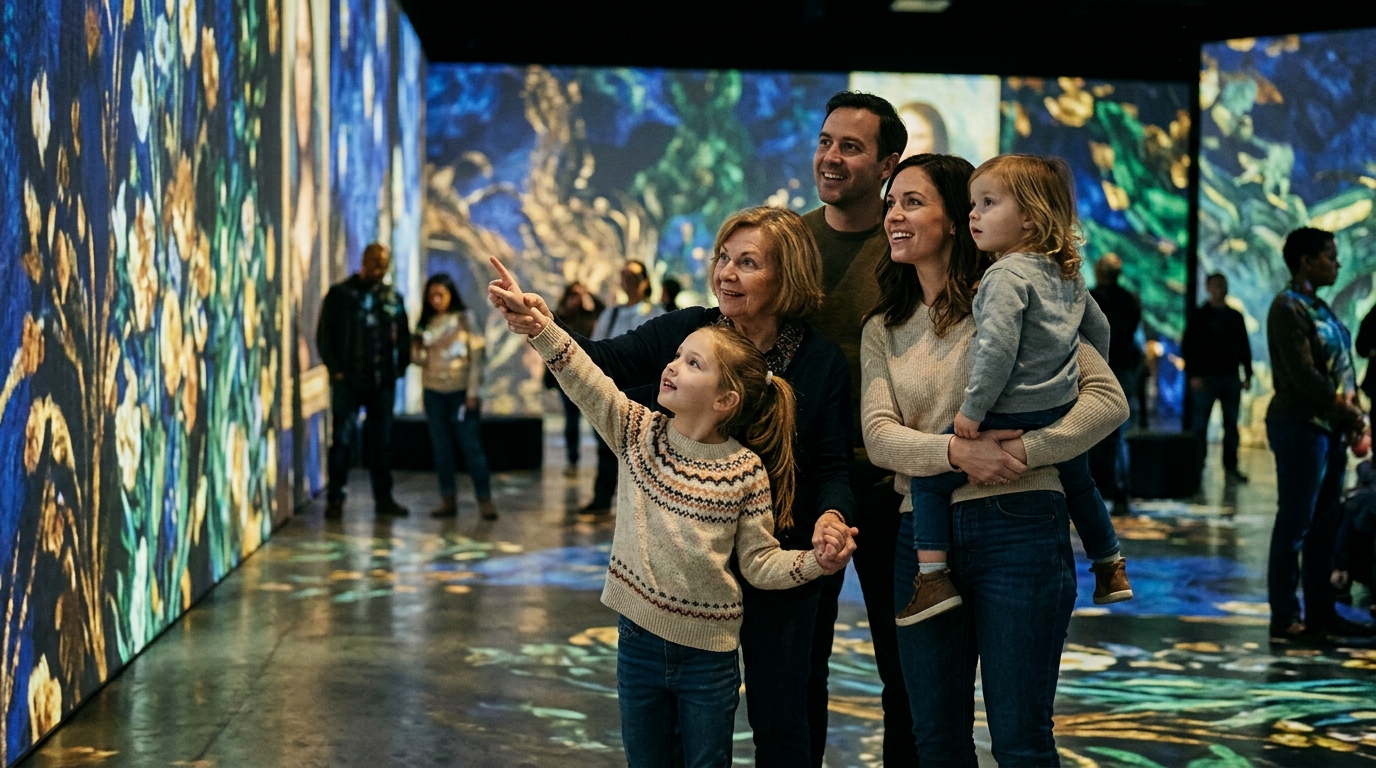
Immersive art has transformed from a niche gallery curiosity into a global cultural phenomenon, with the sector projected to reach a valuation of $1.2 billion by 2026. For families, these exhibitions offer a rare opportunity to engage with history and creativity through multisensory storytelling rather than static observation. Grande Experiences, a pioneer in this space, has successfully hosted over 25 million visitors across 200 cities, proving that digital art can captivate audiences of all ages. This guide highlights the top exhibitions that blend education with entertainment, ensuring a memorable outing for parents and children alike.
Leonardo da Vinci: 500 Years of Genius
Leonardo da Vinci is the quintessential figure for family education, bridging the gap between art and science. His work is not merely visual but deeply analytical, making it an ideal subject for interactive exploration. The exhibition "Leonardo da Vinci - 500 Years of Genius" has captivated 1.2 million visitors worldwide, demonstrating the massive appeal of his legacy.
The Vitruvian Man Experience
At the heart of this exhibition is a new interactive installation featuring the Vitruvian Man. This piece allows children to engage with the mathematical proportions that defined Renaissance anatomy. By manipulating the digital figure, young learners grasp the connection between geometry and biology in a tangible way.
VR Flyover Integration
The exhibition also includes an expanded VR Flyover experience. This technology transports families through 16th-century Italy, providing historical context that textbooks often fail to convey. The immersive nature of the VR component ensures that history feels immediate and alive rather than distant and abstract.
Finding Vincent VR
For families seeking a more narrative-driven journey, "Finding Vincent VR" offers a shared virtual reality experience. This exhibition takes visitors into the world of Vincent van Gogh, focusing on his emotional landscape and artistic process. It is particularly effective for older children and teenagers who can appreciate the depth of his personal struggles.
Emotional Engagement
Unlike traditional art displays, this VR journey allows participants to "live" Van Gogh's life. Visitors report feeling the emotions behind the paintings, creating a profound empathetic connection. This emotional resonance is crucial for family discussions about mental health and creativity.
Global Accessibility
With premieres in locations like Andorra and tours across multiple continents, this exhibition is designed for broad accessibility. The shared VR aspect encourages family members to collaborate and solve puzzles together, fostering teamwork and shared discovery.
Connection: Australian First Nations
"Connection" represents a unique pillar of immersive art by celebrating Australian First Nations art, music, and culture. This exhibition is essential for families looking to broaden their cultural horizons and understand diverse global narratives. It offers a respectful and engaging look at Indigenous storytelling traditions.
Cultural Education
The exhibition uses digital projection to bring Indigenous art to life, allowing patterns and symbols to move and evolve. This dynamic presentation helps children understand the complexity and richness of First Nations culture. It serves as a powerful educational tool for discussing heritage and identity.
Unique Sensory Experience
Visitors describe "Connection" as one of the most beautiful art show experiences of their lives. The integration of sound and light creates a multisensory environment that is both calming and stimulating. This balance makes it suitable for a wide age range, from young children to grandparents.
Klimt Alive
Gustav Klimt's golden phase offers a visually stunning entry point into art history for families. "Klimt Alive" explores his mesmerizing works through large-scale projections that fill entire rooms. The exhibition has been highly successful in cities like Tokyo and Osaka, indicating its universal appeal.
Visual Impact
Klimt's intricate patterns and use of gold leaf are perfectly suited for digital projection. The sheer scale of the images creates a sense of awe that captivates children's attention. This visual impact is a key driver for family attendance, as it provides a memorable and Instagram-worthy experience.
Accessible Art History
The exhibition simplifies complex art historical concepts without diluting their beauty. Families can explore the symbolism in Klimt's work at their own pace. This flexibility allows parents to tailor the educational depth to their children's age and interest level.
Why Immersive Art Benefits Families
Immersive exhibitions offer distinct advantages over traditional museum visits for families. The interactive nature of these experiences encourages active participation rather than passive observation. This engagement leads to better retention of information and a deeper appreciation for art.
Multi-Sensory Learning
By engaging sight, sound, and sometimes touch, immersive art caters to different learning styles. Children who may struggle with traditional text-based learning often thrive in these environments. The multisensory approach makes complex topics more accessible and enjoyable.
Shared Family Time
These exhibitions provide a unique opportunity for families to spend quality time together. The shared experience of wonder and discovery strengthens family bonds. It also sparks conversations about art, history, and culture that can continue long after the visit.
Key Takeaways
- Grande Experiences has hosted over 25 million visitors across 200 cities, establishing a strong track record of successful family-friendly exhibitions.
- Leonardo da Vinci exhibitions feature interactive VR flyovers and the Vitruvian Man, blending art and science for educational value.
- Finding Vincent VR offers a shared virtual reality journey that fosters emotional engagement and teamwork among family members.
- Connection: Australian First Nations provides a unique cultural perspective, celebrating Indigenous art and music through digital projection.
- Klimt Alive uses large-scale projections to make Gustav Klimt's work accessible and visually stunning for all ages.
- Immersive art supports multi-sensory learning, catering to diverse learning styles and enhancing information retention.
- These exhibitions encourage active participation, making them more engaging for children than traditional static museum displays.
Frequently Asked Questions
Are immersive art exhibitions suitable for young children?
Yes, many immersive exhibitions are designed with families in mind. The multisensory nature of the art helps engage younger children who may find traditional museums overwhelming. However, it is always advisable to check the specific age recommendations for each exhibition.
How long does a typical immersive exhibition last?
Most immersive exhibitions are designed to be completed in 60 to 90 minutes. This duration allows families to explore the content thoroughly without feeling rushed or fatigued. The pacing is often self-guided, giving you the flexibility to spend more time on areas of interest.
Do I need to book tickets in advance?
It is highly recommended to book tickets in advance, especially for popular exhibitions like Leonardo da Vinci or Finding Vincent VR. Advance booking ensures your preferred time slot and often provides a discount. Last-minute tickets may be unavailable during peak seasons.
Are the exhibitions wheelchair accessible?
Most modern immersive exhibitions are designed to be fully accessible. Grande Experiences, for instance, prioritizes accessibility in their venue design. It is always best to contact the specific venue directly to confirm accessibility features and any necessary accommodations.
Can I take photos inside the exhibition?
Photography policies vary by exhibition. Some allow non-flash photography, while others restrict it to preserve the immersive experience for all visitors. Always check the specific rules of the exhibition you plan to visit to ensure compliance.
What age group is best for Finding Vincent VR?
Finding Vincent VR is generally recommended for older children and teenagers due to its narrative depth and emotional themes. Younger children may find the VR experience intense or difficult to follow. Parents should use their discretion based on their child's comfort with virtual reality.
How do immersive exhibitions support education?
Immersive exhibitions support education by providing context and interactivity that textbooks cannot. They allow students to experience history and art in a dynamic way, fostering a deeper understanding and appreciation. This approach is particularly effective for visual and kinesthetic learners.
Plan Your Family Immersive Art Adventure
Immersive art offers a unique way for families to connect with culture, history, and each other. Whether you choose the scientific wonder of Leonardo da Vinci, the emotional depth of Finding Vincent VR, or the cultural richness of Connection, these exhibitions provide unforgettable experiences. Explore the full range of touring exhibitions and permanent galleries by visiting Grande Experiences today. Discover how digital art can transform your family's understanding of the world and inspire new conversations about creativity and heritage.