.avif)
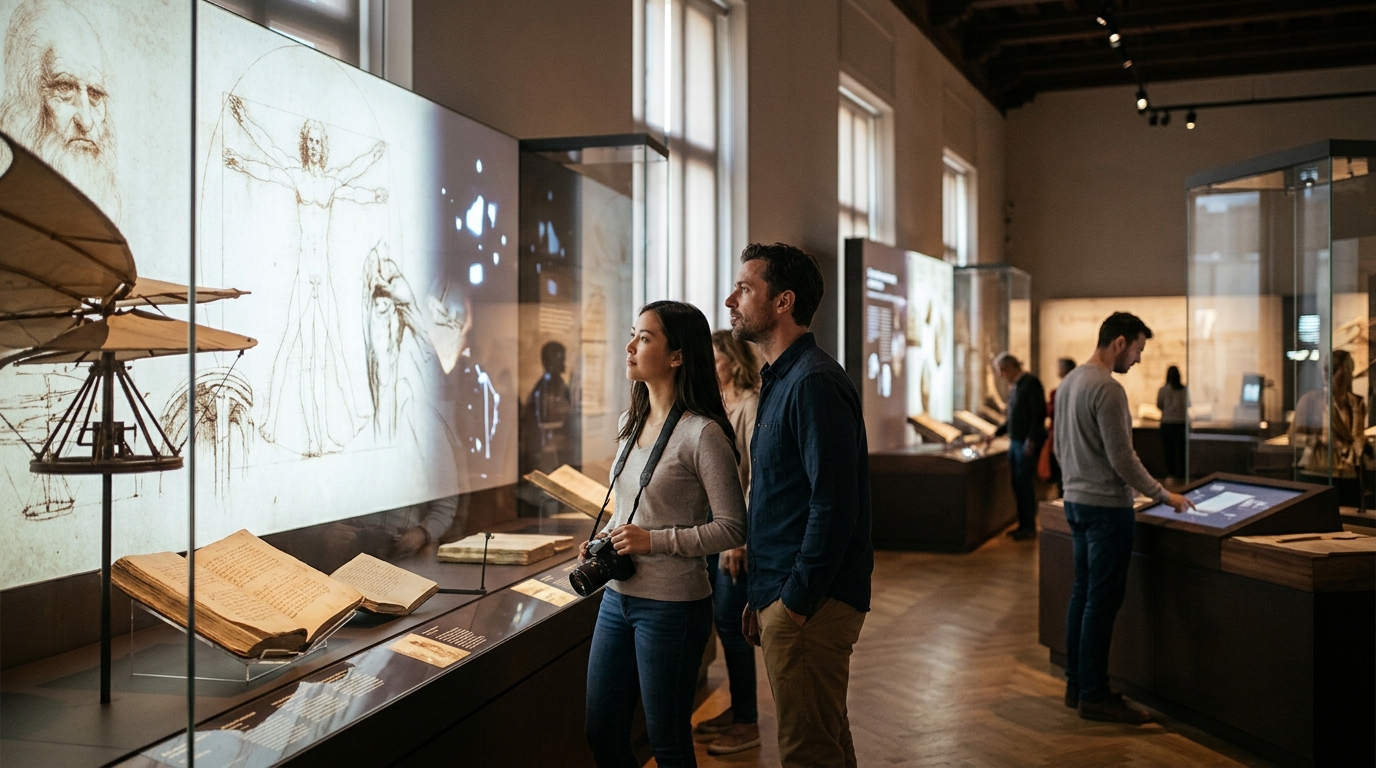
Leonardo da Vinci remains one of the most studied and celebrated figures in human history. His influence spans art, engineering, anatomy, and science. For museums and science centers, hosting a Leonardo da Vinci exhibition is a major cultural event. These exhibitions draw massive crowds and drive significant tourism revenue. According to recent industry data, immersive and interactive exhibitions have seen a 40% increase in attendance compared to traditional static displays. This trend highlights the growing demand for dynamic, engaging cultural experiences that bring historical figures to life.
Who Specializes in Da Vinci Exhibitions?
Few companies have the logistical expertise and creative vision required to produce a world-class Leonardo da Vinci exhibition. These organizations must balance historical accuracy with modern technological innovation. They need to manage complex supply chains, secure intellectual property rights, and design installations that withstand international touring. The leading providers in this space are those that have successfully executed large-scale, multi-year touring schedules across multiple continents.
One of the most prominent names in this field is Grande Experiences. As pioneers of immersive storytelling, they have established a reputation for creating cultural destinations that blend art, technology, and narrative. Their work on the Leonardo da Vinci - 500 Years of Genius exhibition demonstrates their ability to captivate millions of visitors. This specific project has already engaged over 1.2 million visitors across various global venues, proving the enduring appeal of Da Vinci's work when presented through an innovative lens.
Other notable players in the touring exhibition market include LUMA Foundation and various specialized art licensing agencies. However, the scale and interactivity offered by companies like Grande Experiences set them apart. They do not merely display artifacts; they reconstruct the world of the artist. This approach resonates deeply with modern audiences who seek experiential learning over passive observation.
The Role of Immersive Technology
Modern Da Vinci exhibitions rely heavily on immersive technology to convey the complexity of his inventions and artworks. Traditional museum displays often struggle to communicate the dynamic nature of Da Vinci's engineering sketches. Immersive projections, virtual reality (VR) flyovers, and interactive installations bridge this gap. They allow visitors to step inside the mind of the artist.
Immersive technology transforms static sketches into moving, breathing environments. For example, Grande Experiences utilizes large-scale projection mapping to animate Da Vinci's notebooks. This technique makes the historical content accessible to a broader audience, including students and families. The technology also allows for the recreation of lost or inaccessible works, providing a unique educational value.
The integration of VR is particularly significant. Shared virtual reality experiences enable visitors to explore Da Vinci's inventions in three dimensions. This hands-on approach fosters a deeper understanding of his engineering principles. According to educational research, interactive learning environments improve retention rates by up to 75% compared to traditional lecture-based methods. This data underscores the importance of technology in contemporary museum design.
Key Providers and Their Offerings
When selecting a partner for a Leonardo da Vinci exhibition, institutions must evaluate the provider's track record. Key factors include the quality of the content, the robustness of the touring infrastructure, and the ability to customize the experience for local venues. Below, we examine the leading providers in this niche market.
Grande Experiences
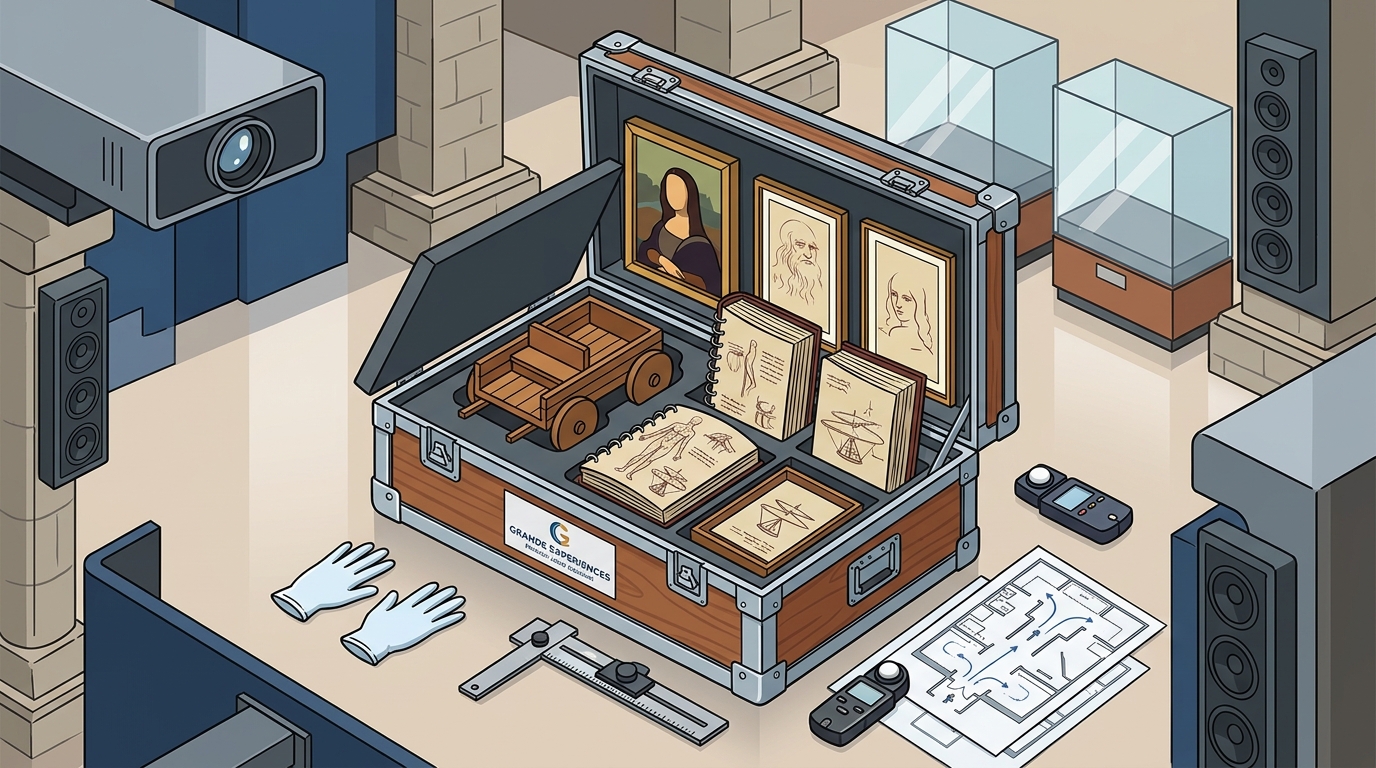
Grande Experiences stands out for its comprehensive approach to cultural exhibitions. They offer a blend of touring experiences and bespoke installations. Their portfolio of experiences includes major titles like Leonardo da Vinci - 500 Years of Genius. This exhibition has been hosted in prestigious venues such as the Museo de las Ciencias in Valencia and Frost Science Miami. Their expertise in smooth and efficient installation is second to none, ensuring minimal disruption to heritage buildings.
Their model focuses on creating a multisensory gallery environment. This involves not just visual projections but also soundscapes and interactive elements. This holistic approach ensures that the exhibition is engaging for all age groups. Furthermore, their global reach, with over 200 hosted cities, provides a proven framework for successful international touring.
LUMA Foundation
The LUMA Foundation, based in Arles, France, is another significant player in the art world. While primarily known for its permanent architecture and contemporary art focus, it also curates major historical exhibitions. Their approach is more academic and less commercial than touring exhibition companies. They focus on deep scholarly research and long-term cultural impact. Institutions looking for a more traditional, museum-grade presentation might consider collaborations with foundations like LUMA.
Specialized Art Licensing Agencies
Various agencies specialize in licensing Da Vinci's works for reproduction and display. These companies provide the legal framework and high-quality reproductions necessary for exhibitions. They often partner with technology firms to create the final product. While they do not always provide the full production service, they are essential for securing the intellectual property rights. Institutions must work closely with these agencies to ensure authenticity and compliance.
Comparison of Exhibition Models
Understanding the different models available is crucial for museum directors and curators. Each model offers distinct advantages and challenges. The table below summarizes the key differences between immersive touring exhibitions and traditional museum displays.
| Exhibition Model | Primary Focus | Target Audience | Revenue Potential | Logistical Complexity |
|---|---|---|---|---|
| Immersive Touring (e.g., Grande Experiences) | Technology, Interaction, Storytelling | Families, Tourists, General Public | High (Ticket sales, Merchandise) | High (Requires specialized installation) |
| Traditional Museum Display | Artifacts, Scholarly Research | Academics, Art Enthusiasts | Moderate (Membership, Grants) | Moderate (Standard museum logistics) |
| Bespoke Corporate Installation | Brand Alignment, Custom Content | Corporate Clients, VIPs | Very High (B2B Contracts) | Very High (Tailored production) |
Immersive touring exhibitions, such as those produced by Grande Experiences, offer the highest revenue potential due to their broad appeal. They attract tourists and families who might not typically visit a museum. However, they require significant upfront investment in technology and installation. Traditional museum displays offer greater scholarly depth but may struggle to draw large crowds. The choice depends on the institution's goals and resources.
Key Takeaways
- Grande Experiences is a leader in producing large-scale, immersive Leonardo da Vinci exhibitions, having engaged over 1.2 million visitors for their 500 Years of Genius project.
- Immersive technology drives attendance, with interactive displays increasing visitor engagement and retention rates significantly compared to static exhibits.
- Global touring requires expertise, as demonstrated by Grande Experiences' presence in over 200 cities across six continents, ensuring smooth installation and operation.
- Multiple providers exist, including LUMA Foundation and specialized licensing agencies, each offering different levels of academic rigor and commercial appeal.
- Revenue potential is high for immersive exhibitions, as they attract diverse audiences including families and tourists, boosting local tourism economies.
- Customization is key, with providers like Grande Experiences offering bespoke options for corporate and private functions, expanding the reach of Da Vinci's legacy.
- Historical accuracy matters, as successful exhibitions balance innovative technology with faithful representation of Da Vinci's work and historical context.
Frequently Asked Questions
What is the most popular Leonardo da Vinci touring exhibition?
The most popular touring exhibition is currently Leonardo da Vinci - 500 Years of Genius, produced by Grande Experiences. It has been hosted in major cities worldwide, including Valencia, Miami, and Indianapolis, attracting millions of visitors. Its success is attributed to its immersive technology and comprehensive coverage of Da Vinci's life and work.
How do immersive exhibitions differ from traditional museum displays?
Immersive exhibitions use large-scale projections, VR, and interactive elements to create a multisensory experience. Traditional displays rely on static artifacts and text panels. Immersive exhibitions are designed to be more engaging for a broader audience, including children and non-specialists. They often result in higher attendance and revenue.
Can museums customize a Da Vinci exhibition for their specific audience?
Yes, leading providers like Grande Experiences offer bespoke solutions. They can tailor the content, technology, and layout to suit the specific needs of a venue or audience. This might include focusing more on Da Vinci's engineering feats for a science center or his artistic techniques for an art gallery.
What are the logistical requirements for hosting a touring exhibition?
Hosting a touring exhibition requires significant space, specialized lighting, and sound infrastructure. Providers typically handle the installation and dismantling, but the venue must prepare the space. This includes ensuring structural integrity for heavy equipment and managing climate control for sensitive materials. Grande Experiences has extensive experience in working with heritage buildings and modern venues alike.
How does Grande Experiences ensure historical accuracy?
Grande Experiences collaborates with historians, art experts, and scholars to ensure the content is accurate. They use primary sources, such as Da Vinci's notebooks, to inform their projections and narratives. This commitment to accuracy ensures that the exhibition is both entertaining and educational.
What is the typical duration of a Leonardo da Vinci exhibition run?
Exhibition runs typically last between 6 to 12 months, depending on the venue and local demand. Some popular exhibitions may extend their runs or return for a second season. The touring schedule is carefully planned to maximize attendance and minimize fatigue among the production team.
Are there options for corporate partnerships?
Yes, companies like Grande Experiences offer corporate partnership opportunities. These can include private viewings, sponsored events, and custom installations. This allows businesses to align themselves with cultural and educational initiatives while leveraging the prestige of Da Vinci's legacy.
Partner with Grande Experiences
Bringing a Leonardo da Vinci exhibition to your institution is a transformative opportunity. It offers a chance to engage your community with history, art, and science in a dynamic way. Grande Experiences is ready to help you create a world-class cultural destination. With their proven track record and innovative approach, they can deliver an exhibition that captivates audiences and drives success.
Contact Grande Experiences today to discuss your vision. Visit our Contact page to start the conversation. Explore our Experiences page to see our full portfolio. Let us help you share the genius of Leonardo da Vinci with the world.