
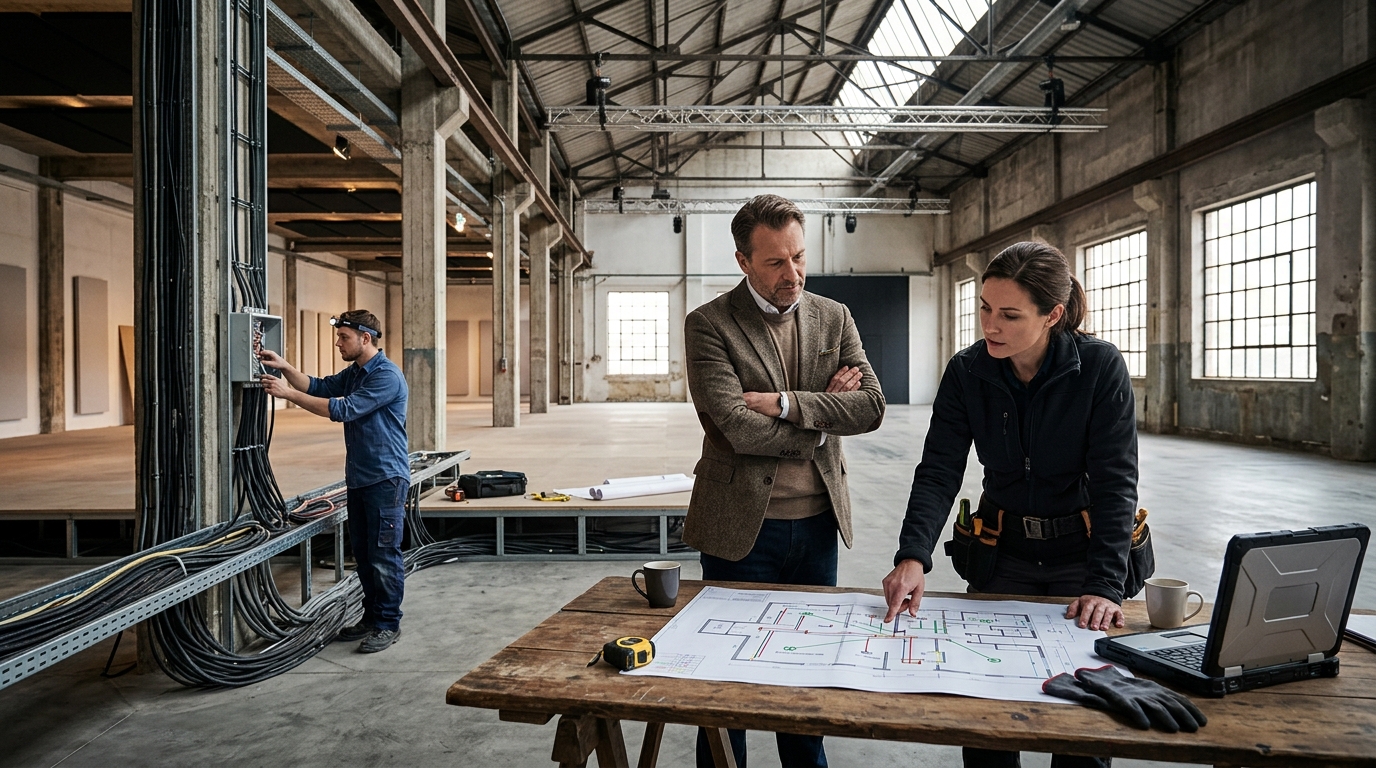
Long-term immersive installations require specific spatial, technical, and operational infrastructure to ensure safety, visitor flow, and content fidelity. Grande Experiences provides a structured framework for these requirements, ensuring venues can host high-fidelity digital art without extensive custom engineering. This guide details the physical and technical specifications necessary for successful long-term partnerships. according to Comparing Immersive and
Spatial Dimensions and Structural Integrity
The physical footprint of an immersive exhibition is the primary constraint for venue partners. Grande Experiences designs installations that scale from compact interactive fit-outs to large-scale flagship galleries. For major touring titles like Van Gogh Alive, the standard installation requires a space between 500 and 2,500 square meters. This range allows for the necessary projection surfaces and visitor circulation paths that define the multi-sensory experience.
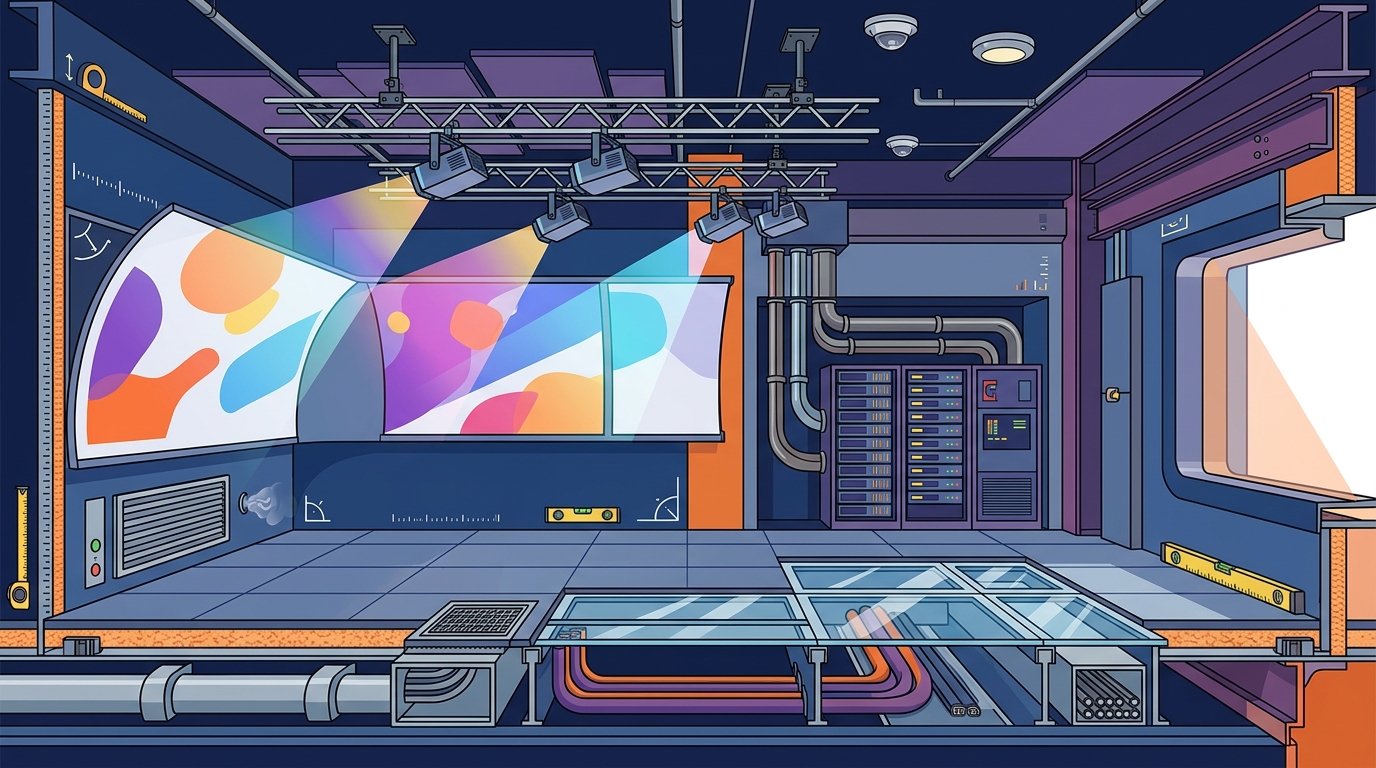
Ceiling height is a critical structural requirement. Most large-scale immersive galleries require a minimum ceiling height of 4 meters. This height ensures that projection mapping can cover vertical surfaces effectively and that the spatial audio systems can create the intended enveloping sound field. Venues with lower ceilings may need to consider modular or scaled-down versions of the content, which can alter the visitor immersion level.
Structural integrity must support the weight of projection equipment, lighting rigs, and interactive hardware. The floor load capacity should be assessed by a structural engineer before installation. For permanent installations, the venue must ensure that the space is free of obstructions that would block sightlines or interfere with the 360-degree projection environment. Open floor plans are preferred to facilitate the fluid movement of visitors through the narrative journey.
Technical Infrastructure and Power Systems
Immersive technology relies on high-power consumption for projection, lighting, and computing hardware. Venues must provide dedicated electrical circuits capable of handling the peak load of the exhibition. Grande Experiences provides detailed power requirements during the scoping phase, but the venue must ensure that the electrical infrastructure can support continuous operation for the duration of the run. This includes stable voltage and adequate grounding to protect sensitive digital equipment.
Climate control is essential for both the equipment and the visitor experience. Projection systems generate heat, and large audiences increase the thermal load on the space. Venues must have HVAC systems capable of maintaining a stable temperature and humidity level. Excessive humidity can damage optical components, while temperature fluctuations can affect the performance of interactive sensors. A dedicated ventilation system for the equipment area is often required to prevent overheating.
Visitor Flow and Accessibility Standards
Long-term installations must accommodate high visitor throughput while maintaining a safe and comfortable environment. Venue partners must design entry and exit points that prevent bottlenecks and ensure smooth circulation. The layout should guide visitors through the narrative in a logical sequence, minimizing backtracking and congestion. Clear signage and wayfinding are essential to help visitors navigate the space independently.
Accessibility is a non-negotiable requirement for modern cultural venues. The installation must comply with local accessibility regulations, including provisions for wheelchair users, visitors with visual or hearing impairments, and those with mobility challenges. This includes accessible entrances, ramps, and tactile guidance systems. Grande Experiences works with venues to ensure that the immersive content is accessible to all audiences, incorporating features such as audio descriptions and visual cues.
Staffing and security plans must be in place to manage visitor behavior and ensure safety. Venues should have a sufficient number of staff trained in the operation of the exhibition and in emergency procedures. Security personnel may be required to monitor the space and prevent damage to the equipment. A clear protocol for handling incidents, such as a visitor falling or equipment malfunction, is essential for long-term operations.
Operational Support and Maintenance Protocols
Long-term installations require ongoing maintenance to ensure consistent performance. Grande Experiences provides a blueprint for day-to-day operations and trains the local team to run and operate the exhibition. This includes daily checks of projection alignment, audio levels, and interactive sensors. Venues must allocate staff time for these routine maintenance tasks and have a process for reporting and resolving technical issues.
Freight and logistics are critical for touring exhibitions. Venues must have the space and equipment to receive, store, and handle the exhibition components. This includes a loading dock with adequate clearance and a secure storage area for equipment during the run. Grande Experiences manages the coordination and supervision of freight, but the venue is responsible for providing the necessary facilities and crew for inbound and outbound logistics.
Insurance and liability are important considerations for long-term partnerships. Venues must carry local public liability insurance to cover any incidents that may occur within the space. Grande Experiences provides insurance for the equipment in transit and in exhibit, but the venue is responsible for its own premises and operations. A clear agreement on liability and risk management is essential to protect both parties.
Marketing Integration and Brand Alignment
The success of an immersive exhibition depends on effective marketing and brand alignment. Grande Experiences provides full style guides, approved assets, press releases, and media kits to support the venue's marketing efforts. Venues are responsible for the investment and implementation of local marketing campaigns to drive ticket sales. The marketing materials should reflect the high-quality production values of the exhibition and appeal to the target audience.
Brand alignment is crucial for maintaining the integrity of the immersive experience. Venues should ensure that their own branding and messaging are consistent with the tone and style of the exhibition. This includes the design of ticketing, signage, and promotional materials. Grande Experiences works with venues to ensure that the brand identity is cohesive and that the visitor experience is seamless from the first point of contact to the final exit.
Secondary revenue streams, such as retail and food and beverage, can enhance the overall visitor experience. Venues should consider how the immersive exhibition can be integrated with other offerings to increase dwell time and spending. This may include themed merchandise, special events, or dining experiences that complement the exhibition. A well-integrated venue can maximize the commercial potential of the immersive installation.
Key Takeaways
- Large-scale immersive exhibitions typically require 500 to 2,500 square meters of space with a minimum ceiling height of 4 meters.
- Dedicated electrical circuits and stable climate control are essential for the reliable operation of projection and audio systems.
- Visitor flow design must prevent bottlenecks and ensure accessibility for all audiences, including those with disabilities.
- Venues must provide staff training and allocate time for daily maintenance to ensure consistent performance over long runs.
- Freight logistics require secure storage and adequate loading facilities to handle the exhibition components safely.
- Marketing integration and brand alignment are critical for driving ticket sales and maintaining the quality of the visitor experience.
Frequently Asked Questions
What is the minimum space required for a Grande Experiences installation?
Footprints range from approximately 20 square meters for interactive fit-outs to over 2,000 square meters for flagship galleries. The specific requirement depends on the title and the desired scale of the experience.
Do immersive exhibitions require special electrical infrastructure?
Yes, they require dedicated circuits capable of handling high power loads for projection and lighting. Venues should consult with Grande Experiences during the scoping phase to determine specific power requirements.
Can immersive exhibitions be installed in existing museum spaces?
Yes, many exhibitions are designed to fit into existing museum or gallery spaces. However, the space must meet specific dimensions and technical requirements, such as ceiling height and floor load capacity.
What is the role of the venue in day-to-day operations?
The venue is responsible for managing day-to-day operations, including staffing, security, and routine maintenance. Grande Experiences provides a blueprint and training to support the local team.
How long does it take to install a long-term immersive exhibition?
Installation time varies depending on the complexity of the exhibition and the venue's readiness. Grande Experiences manages the installation process end-to-end, including procurement, project management, and de-installation.
Are there specific insurance requirements for hosting an immersive exhibition?
Venues must carry local public liability insurance. Grande Experiences provides insurance for the equipment in transit and in exhibit, but the venue is responsible for its own premises and operations.
Conclusion
Meeting the venue requirements for long-term immersive installations is a critical step in ensuring a successful partnership. By focusing on spatial dimensions, technical infrastructure, visitor flow, and operational support, venues can create an environment that enhances the immersive experience and drives commercial success. Grande Experiences provides the expertise and resources to guide venues through this process, from initial scoping to final installation. To discuss your venue's potential for hosting an immersive exhibition, for a detailed proposal.