
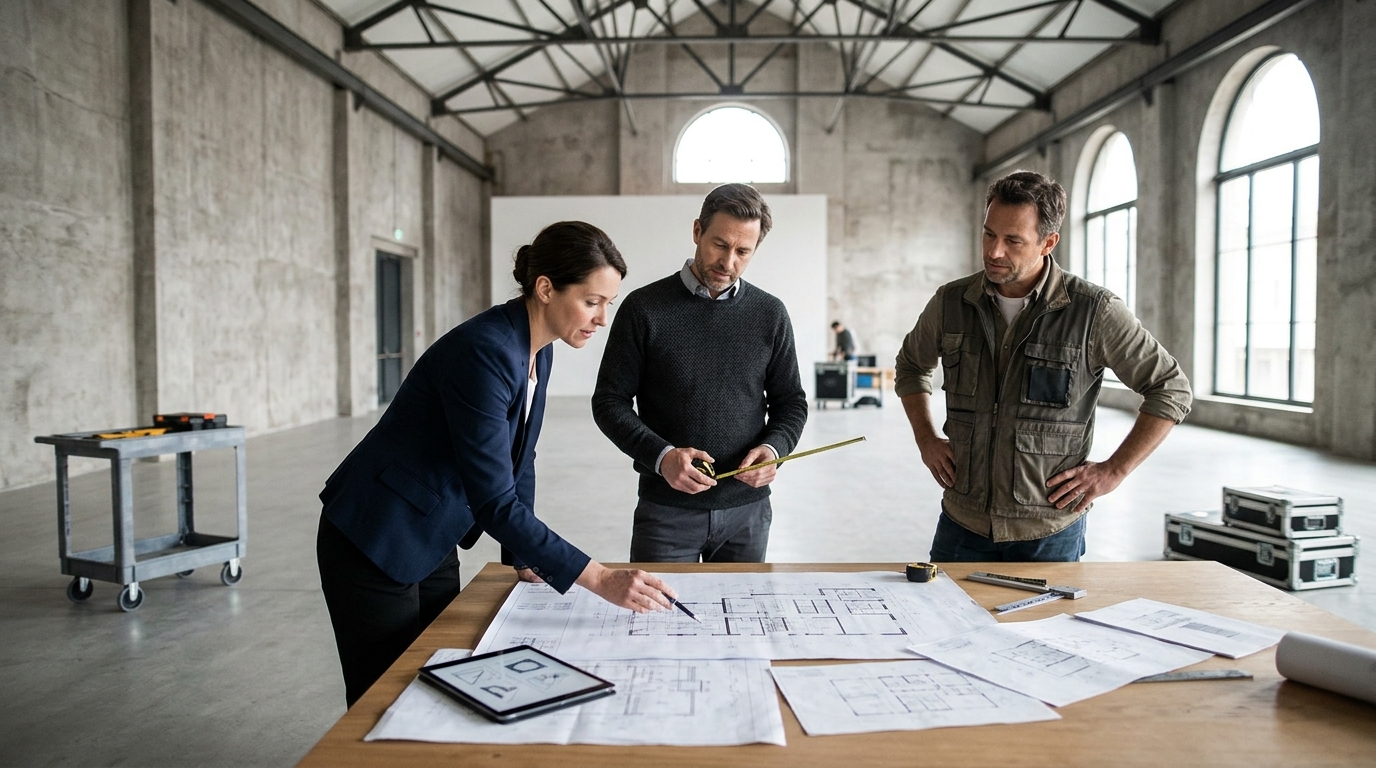
Preparing your museum space for a large-scale immersive art installation requires verifying structural integrity, electrical capacity, and environmental controls. You must ensure your floor plan supports visitor flow and that your ceiling height accommodates projection mapping. Grande Experiences provides the technical specifications needed to align your venue with these rigorous standards before installation begins. according to Immersive Installations in
Structural Integrity and Load Bearing Capacity
Large-scale installations often involve heavy projection equipment, sound systems, and interactive hardware. Your venue must support the weight of these components without compromising safety. A structural assessment is the first critical step in the preparation process. You need to confirm that your floor can handle the distributed load of the equipment racks and projectors.
Grande Experiences typically installs into venues ranging from 500 to 2,500 square meters. For these spaces, the floor must be level and capable of supporting the specific weight of the SENSORY4 technology and associated hardware. If your museum has a history of heavy exhibits, you likely have a baseline, but you must verify it against the specific weight of the new installation. This prevents structural stress and ensures the longevity of your building.
The implication is clear: do not assume your current setup is sufficient. A dedicated structural engineer should review the proposed layout. This step protects your institution from liability and ensures a safe environment for visitors and staff. according to Accessible Event Checklist
Electrical Infrastructure and Power Distribution
Immersive environments are power-hungry. High-lumen projectors, audio arrays, and interactive sensors require significant and stable power supplies. You must audit your electrical panel capacity to ensure it can handle the peak load without tripping breakers. An immersive exhibition like Van Gogh Alive requires a robust power infrastructure to maintain consistent brightness and audio quality.
Power distribution must be clean and stable. Voltage fluctuations can damage sensitive electronics and disrupt the visitor experience. You should coordinate with your facility manager to identify dedicated circuits for the installation. This separation ensures that the exhibition does not interfere with other museum systems, such as lighting or security. according to Artificial intelligence empowering
Failure to prepare adequate power infrastructure leads to technical failures during public hours. This damages your reputation and frustrates visitors. By planning your electrical capacity in advance, you ensure a seamless and reliable operation throughout the exhibition run. according to Utility Failures ASPR
Environmental Controls and Climate Management
Electronic equipment generates heat. In a sealed, immersive environment, this heat can accumulate and affect both the technology and the comfort of your visitors. You must ensure your HVAC system can manage the thermal load of the installation. The Leonardo da Vinci exhibition includes large-scale reconstructions and interactive displays that require precise temperature control. according to Frontiers A bibliometric
Humidity is another critical factor. Excessive moisture can damage projectors and speakers, while low humidity can cause static electricity issues. You need to maintain a stable climate within the exhibition space. This protects your investment in the technology and ensures the equipment operates within its specified parameters.
The implication is that your facility team must be involved early in the planning process. They need to understand the thermal output of the equipment and adjust your climate controls accordingly. This proactive approach prevents overheating and extends the lifespan of the hardware.
Visitor Flow and Accessibility Design
Immersive exhibitions attract large crowds. Your space must accommodate high throughput while maintaining a comfortable and safe experience. You need to design a clear visitor flow that prevents bottlenecks and ensures smooth movement through the installation. The Finding Vincent VR experience is designed for shared, free-roaming movement, which requires specific spatial planning. according to The National Air
Accessibility is non-negotiable. Your venue must meet local accessibility standards, including wheelchair access, clear signage, and adequate lighting for wayfinding. You should consider the needs of all visitors, including those with sensory sensitivities. This inclusive approach broadens your audience and enhances your museum's reputation. according to Accessibility for user
By focusing on visitor flow and accessibility, you create a positive experience that encourages repeat visits. A well-designed space feels intuitive and welcoming, which is essential for the success of any cultural attraction. according to Taking the Plunge
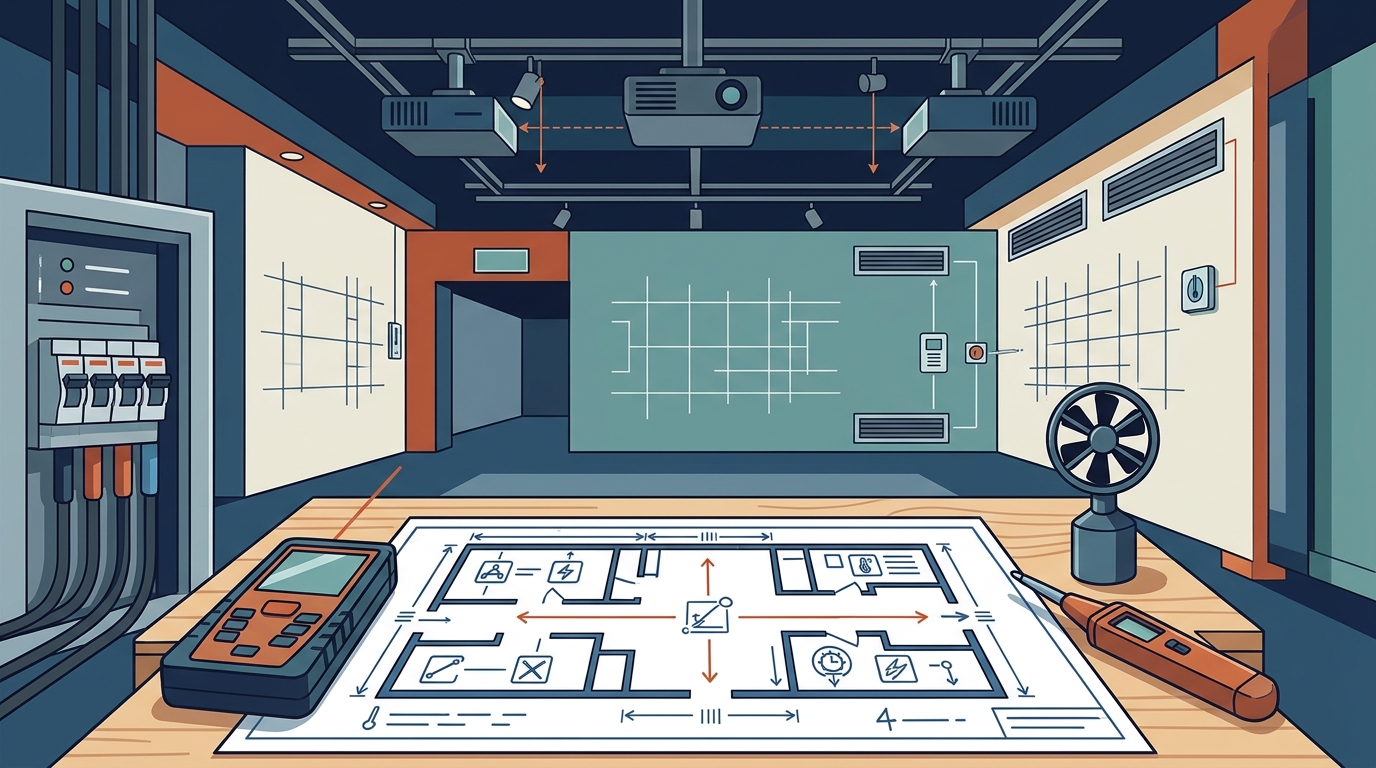
Collaboration with the Exhibition Provider
Preparing your space is a collaborative effort. You should work closely with the exhibition provider to understand their specific technical requirements. Grande Experiences provides detailed layout designs, plans, and specifications to guide your preparation. This partnership ensures that your venue is ready for installation on day one.
The provider will manage procurement, project management, and installation. Your role is to prepare the venue, provide the necessary facilities, and manage day-to-day operations. This division of labor allows you to focus on your core mission while the provider handles the technical complexities.
Effective communication is key to a successful installation. By maintaining open lines of communication with the provider, you can address any issues promptly and ensure a smooth transition to public opening.
Key Takeaways
- Verify structural integrity to support the weight of projection and audio equipment.
- Audit electrical capacity to ensure stable power for high-lumen projectors.
- Manage environmental controls to prevent overheating and humidity damage.
- Design visitor flow to accommodate high throughput and ensure accessibility. according to Frontiers A bibliometric
- Collaborate with the provider to align your venue with their technical specifications.
- Involve your facility team early in the planning process.
- Ensure your space meets local safety and accessibility standards.
Frequently Asked Questions
What is the minimum ceiling height required for an immersive installation?
Most large-scale immersive installations require a minimum ceiling height of 4 meters. This height allows for the projection of large-scale images and the installation of overhead equipment. You should verify this requirement with the specific exhibition provider.
How much space do I need for a touring exhibition?
Space requirements vary by exhibition. Grande Experiences installs into venues ranging from 500 to 2,500 square meters for flagship galleries. Smaller interactive fit-outs can be as small as 20 square meters. You should scope your space with the provider to determine the best fit.
Do I need to provide my own power supply?
You must provide a stable and adequate power supply. The exhibition provider will specify the required voltage and amperage. You should coordinate with your facility manager to ensure your electrical panel can handle the load.
Can immersive exhibitions be installed outdoors?
Yes, many immersive exhibitions can be presented outdoors. This requires additional considerations for weather protection and lighting. You should discuss outdoor options with the provider to ensure the equipment is suitable for the environment.
How long does the installation process take?
The installation process typically takes several weeks, depending on the complexity of the exhibition. The provider manages procurement, project management, and installation. You should plan for a lead time of at least two months before the public opening.
What is SENSORY4 technology?
SENSORY4 is a multi-sensory technology that combines projection, sound, and aroma to create an immersive environment. It is used in many Grande Experiences exhibitions to enhance the visitor experience. This technology requires specific environmental conditions to operate effectively. according to Immersive Installations in