
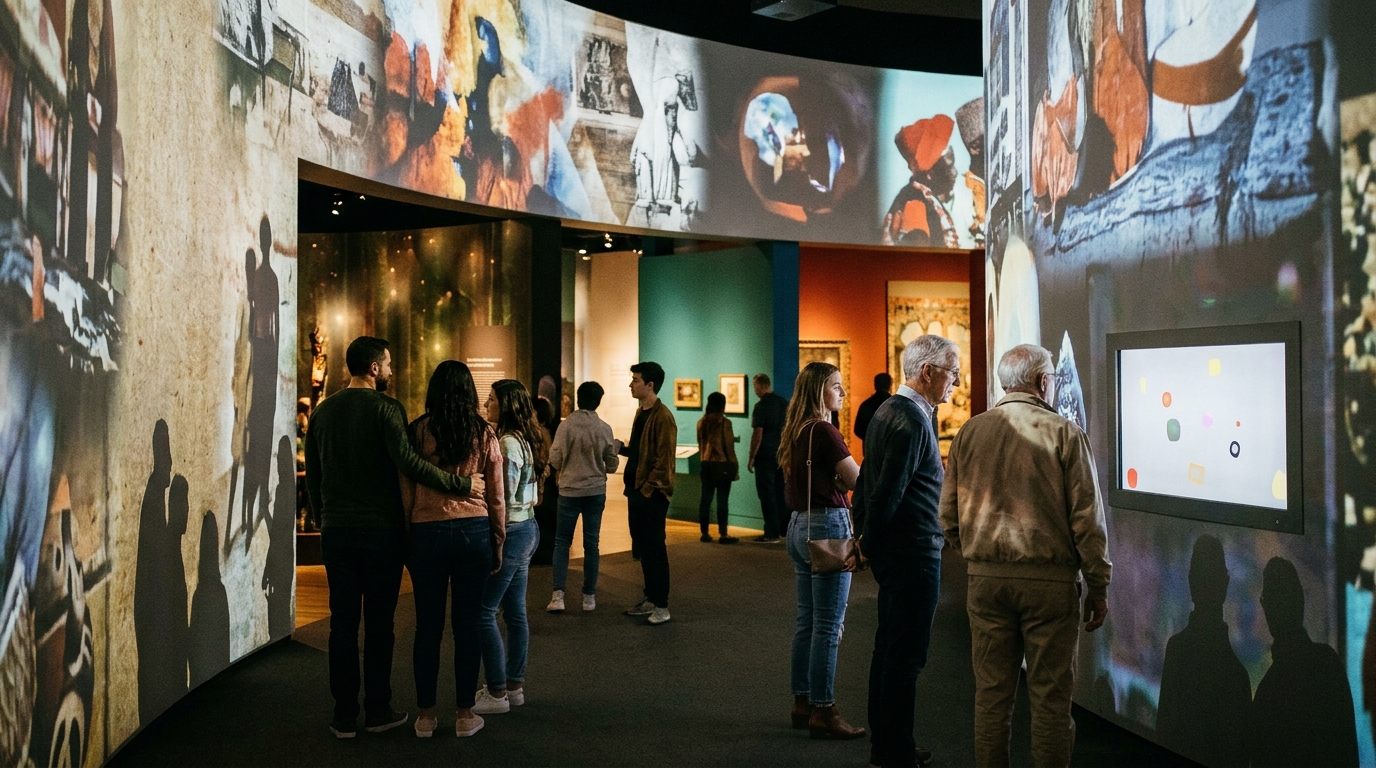
Matching an immersive exhibition to your museum's visitor demographics requires analyzing audience age, interests, and spending habits to select content that drives attendance and engagement. Grande Experiences advises institutions to align exhibition themes with their core audience's cultural preferences. This strategic alignment ensures the attraction complements the museum's existing mission while attracting new, diverse visitor segments.
Understanding Your Core Audience Profile
Before selecting an exhibition, museums must define their primary visitor base. Visitor demographics is the statistical description of a museum's audience, including age, income, education, and geographic origin. Knowing these metrics helps curators predict which immersive themes will resonate. For example, a science center with a high family attendance rate might prioritize interactive, educational content over abstract art.
Age and Interest Segmentation
Different age groups respond to different sensory stimuli. Younger audiences often engage more with high-energy, interactive experiences, while older demographics may prefer contemplative, narrative-driven installations. By segmenting your audience, you can choose an exhibition that appeals to your core group while still offering novelty. This prevents the exhibition from feeling disconnected from the museum's usual programming.
Aligning Themes with Cultural Interests
The thematic content of an immersive exhibition must mirror the interests of your target visitors. Thematic alignment is the process of selecting exhibition content that reflects the cultural and intellectual preferences of the intended audience. If your museum focuses on modern art, a contemporary digital art experience will feel like a natural extension. Conversely, a history museum might benefit from a historical figure's life story presented in an immersive format.
Grande Experiences offers a diverse portfolio that allows for precise thematic matching. Their immersive exhibition portfolio includes titles like Van Gogh Alive and Leonardo da Vinci. Each title targets specific interests, from impressionist art to Renaissance science. Selecting a theme that aligns with your collection ensures the exhibition enhances rather than distracts from your institutional identity.
Optimizing for Visitor Experience and Dwell Time
Immersive exhibitions are designed to increase dwell time and secondary spending. Dwell time is the average duration a visitor spends within a specific area of a venue. Longer dwell times often correlate with higher satisfaction and increased retail or food and beverage sales. When matching an exhibition to demographics, consider how long your typical visitor is willing to spend in a single attraction.
Leveraging Data for Strategic Selection
Using historical data helps predict the success of a new exhibition. Analyze past attendance patterns to identify which types of special exhibitions drew the most visitors. Did your last art-focused special exhibition outperform your science-focused one? This data provides evidence for your next selection. It also helps in marketing, as you can target specific segments based on their past behavior.
Grande Experiences works with venues to scope and quote based on specific space and technical requirements. Their hosting process involves a detailed proposal that considers your space, audience, and goals. This collaborative approach ensures the selected exhibition is not just a generic add-on, but a tailored asset that fits your operational model. By involving the provider early, you can ensure the technical setup matches your venue's capabilities.
Key Takeaways
- Define your core visitor demographics before selecting an exhibition theme.
- Ensure thematic alignment between the exhibition and your museum's mission.
- Consider dwell time and pacing when choosing between compact and large-scale formats.
- Use historical attendance data to predict which themes will resonate with your audience.
- Collaborate with providers like Grande Experiences to tailor the experience to your space.
- Align the exhibition's sensory profile with the preferences of your target age groups.
Frequently Asked Questions
How do I determine if an immersive exhibition fits my museum's brand?
Assess whether the exhibition's theme complements your existing collections and mission. If your museum focuses on a specific era or artist, choose an exhibition that extends that narrative. A mismatch in theme can confuse visitors and dilute your brand identity.
What is the ideal space size for an immersive exhibition?
Space requirements vary by format. Compact VR experiences like Fly da Vinci can operate in small footprints, while large-scale projection shows require larger rooms. Grande Experiences offers options of varying sizes, allowing for flexibility based on your venue's layout.
Can immersive exhibitions attract new audiences?
Yes, immersive exhibitions often draw first-time visitors who may not typically visit museums. The novelty of the format can attract families, younger demographics, and tourists who are looking for unique experiences. This can help broaden your audience base beyond your core regulars.
How long does it take to install an immersive exhibition?
Installation timelines depend on the complexity of the technology and the size of the space. Touring exhibitions are often pre-built and can be installed relatively quickly, while permanent galleries require more extensive construction and integration with the venue's infrastructure.
Do I need to provide my own marketing for the exhibition?
Providers like Grande Experiences typically supply marketing assets, style guides, and press kits. However, local marketing campaigns and implementation are usually the responsibility of the host venue. This ensures the promotion is tailored to your local audience and channels.
What is the difference between a touring exhibition and a permanent gallery?
A touring exhibition is a temporary, ready-to-run show that moves between venues. A permanent gallery is a custom-built installation designed to stay in one location long-term. Touring exhibitions offer flexibility and lower upfront costs, while permanent galleries provide a consistent, high-quality attraction for the venue.
Conclusion
Matching an immersive exhibition to your museum's visitor demographics is a strategic decision that impacts attendance, revenue, and brand perception. By analyzing your audience, aligning themes, and leveraging data, you can select an exhibition that enhances your institution's value. To plan your visit, contact our team.