.avif)
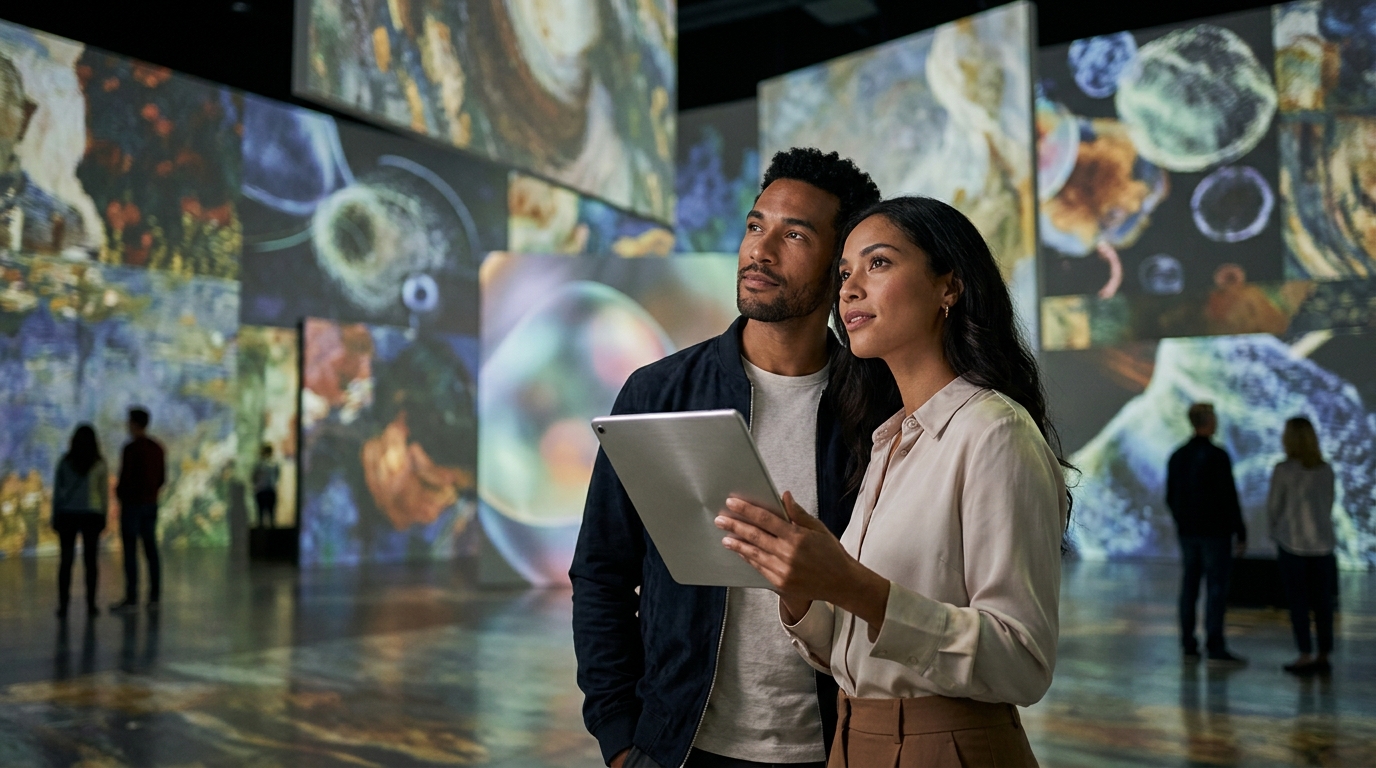
Immersive art has evolved from a niche novelty into a global cultural phenomenon, with industry leaders reporting over 25 million visitors across their touring productions. This massive scale indicates that quality varies significantly between providers. Evaluating these experiences requires looking beyond marketing visuals to understand the technical infrastructure, content depth, and operational standards. This guide provides a rigorous framework for assessing quality, ensuring that your time and money are invested in a truly transformative experience rather than a superficial light show.
Understanding the Technology Behind the Magic
The foundation of any high-quality immersive experience is its technological backbone. Projection mapping is the primary driver of visual immersion, but not all projection is created equal. High-end productions utilize high-lumen laser projectors to ensure vibrant colors and sharp details, even in large, open spaces. When evaluating a provider, look for mentions of "cutting-edge projection technology" and multi-channel synchronization. Poorly calibrated systems result in washed-out images and misalignment, which breaks the illusion of presence.
Sound design is equally critical. A truly immersive environment uses spatial audio to surround the visitor, creating a 360-degree auditory landscape. This is not merely background music but a narrative tool that guides emotional response. According to industry standards for cultural exhibitions, the integration of sound, lighting, and aroma is what transforms a passive viewing into an active sensory journey. Providers who invest in bespoke audio engineering demonstrate a commitment to depth over spectacle.
Another technical factor is the handling of delicate infrastructure. Touring productions must be installed and deinstalled frequently. A reputable company will have a proven track record of protecting heritage buildings and museum walls. This operational expertise ensures that the art is presented without damaging the venue, a sign of professional respect for both the art and the host space. You can verify this by checking their collaboration guidelines and past venue partnerships.
Assessing Content Authenticity and Depth
Visuals alone do not make an experience. The narrative arc and historical accuracy are what separate a memorable event from a forgetable one. When reviewing an exhibition, ask whether the content is curated by art historians or simply compiled from public domain images. High-quality experiences often feature interactive installations that allow visitors to engage with the art on a deeper level. For example, some exhibitions include virtual reality flyovers or interactive touchpoints that reveal the artist's process.
Look for evidence of "powerful storytelling" in the promotional materials. Does the exhibition explain the context of the art? Does it explore the artist's life and emotions? A superficial experience focuses only on the aesthetic, while a profound one connects the viewer to the human story behind the brushstrokes. Visitor testimonials often reveal this depth. Quotes describing the experience as "unlike anything I have ever done" or "brought tears to my eyes" suggest a strong emotional resonance that is worth seeking out.
Furthermore, consider the language accessibility. Top-tier immersive experiences are designed for a global audience, often supporting 35 or more languages. This inclusivity ensures that the educational value is accessible to diverse communities. If an exhibition lacks multilingual support, it may limit the depth of understanding for non-native speakers. Check the FAQ section of the provider's website for details on language options and accessibility features.
Evaluating Venue Infrastructure and Comfort
The physical environment plays a crucial role in the overall quality of the experience. Immersive art often requires controlled lighting and temperature to protect both the equipment and the artwork. A well-managed venue will have clear guidelines on photography, crowd flow, and seating arrangements. Overcrowding can significantly diminish the quality of the experience, making it difficult to appreciate details or feel immersed.
Comfort is also a key metric. Long-duration experiences require adequate ventilation and climate control. If the venue is a converted warehouse or heritage site, check if the provider has installed proper HVAC systems to maintain comfort during peak hours. Additionally, consider the accessibility of the venue. Is it wheelchair accessible? Are there quiet zones for sensory-sensitive visitors? These details reflect the provider's commitment to inclusive design.
Finally, look at the venue's reputation. Partnerships with established museums, galleries, and cultural institutions are a strong indicator of quality. These institutions have rigorous vetting processes for the exhibitions they host. If an exhibition is hosted at a prestigious location like the Museo de las Ciencias in Valencia, it has likely met high standards of curation and technical execution.
Comparing Touring vs. Permanent Installations
When deciding where to book, you must weigh the benefits of touring productions against permanent installations. Touring exhibitions offer the advantage of novelty and exclusivity. They often feature the latest technology and curated content that is not available elsewhere. However, they may have limited run dates and higher ticket prices due to logistics.
Permanent installations, such as THE LUME, offer consistency and repeatability. These venues are designed specifically for immersive art, meaning the infrastructure is optimized for the experience. They often host a variety of exhibitions, allowing visitors to return for different themes. Permanent venues also tend to have more robust community engagement programs, offering educational resources and local partnerships.
| Feature | Touring Exhibition | Permanent Installation |
|---|---|---|
| Novelty | High (Unique run) | Low (Recurring themes) |
| Infrastructure | Variable (Venue dependent) | Optimized (Purpose-built) |
| Accessibility | Depends on location | Often more accessible |
| Community Impact | Temporary boost | Ongoing engagement |
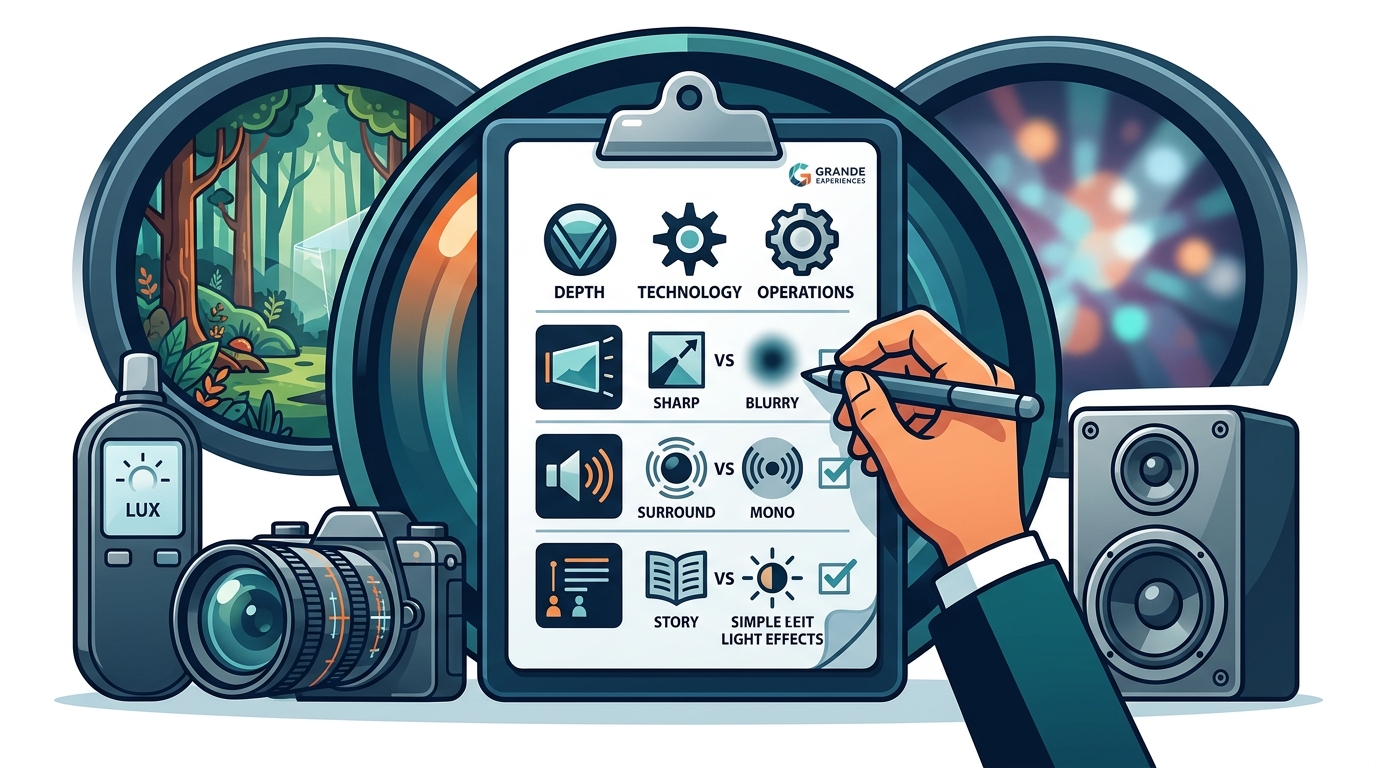
Key Takeaways
- Technology Matters: Look for high-lumen laser projection and spatial audio for true immersion.
- Content Depth: Prioritize exhibitions with historical context and interactive elements over pure visuals.
- Venue Quality: Check for partnerships with reputable museums and galleries as a quality signal.
- Comfort & Access: Ensure the venue has proper climate control and accessibility features.
- Global Reach: Multilingual support (35+ languages) indicates a professional, inclusive operation.
- Visitor Feedback: Read testimonials for emotional resonance, not just visual praise.
- Operational Expertise: Verify the provider's ability to protect heritage infrastructure during installation.
Frequently Asked Questions
What defines a high-quality immersive art experience?
A high-quality experience combines cutting-edge projection technology with deep, historically accurate content and spatial audio to create a multi-sensory environment that engages visitors emotionally and intellectually.
How do I know if an exhibition is worth the ticket price?
Check the provider's track record, including the number of hosted cities and visitor volume. Look for partnerships with established cultural institutions and read detailed visitor testimonials that mention emotional impact.
Are immersive experiences suitable for large groups?
Yes, many providers offer tailored solutions for corporate gatherings and private functions. Contact the provider directly to discuss bespoke packages that accommodate group sizes and specific needs.
What is the difference between a touring exhibition and a permanent gallery?
Touring exhibitions offer unique, time-limited content and novelty, while permanent galleries provide consistent, purpose-built infrastructure and a wider variety of recurring themes for repeat visits.
How do providers ensure the safety of heritage buildings?
Reputable providers use non-invasive installation techniques and have specialized teams trained in working with delicate infrastructure. They often collaborate closely with venue managers to ensure no damage occurs.
Do immersive experiences offer accessibility options?
Many modern immersive experiences are designed with inclusivity in mind, offering wheelchair access, quiet zones, and multilingual support. Always check the specific venue's accessibility page for details.
Can I book a private viewing for my community?
Yes, many providers offer private bookings for schools, corporations, and community groups. This allows for a more intimate and customized experience tailored to your specific interests.
Ready to Experience World-Class Immersive Art?
Evaluating the quality of an immersive art experience requires a keen eye for technology, content, and operational excellence. By following this guide, you can ensure that your next visit is not just a spectacle, but a meaningful cultural engagement. Whether you are looking for a touring exhibition or a permanent gallery, the right experience awaits. Contact Grande Experiences today to learn more about our world-renowned immersive art experiences and how we can transform your venue or community event.